
Description
Product Name: Ghost Pepper Seeds – Bhut Jolokia
Cultivar Name: Bhut Jolokia (Red Ghost Pepper)
Species: Capsicum chinense
Common Names: Ghost Pepper, Bhut Jolokia, Naga Jolokia
Type: heirloom
Origin & Lineage
Geographic Origin: The Ghost Pepper, Also known as Bhut Jolokia, originates from the northeastern region of India, specifically Assam, Nagaland, and Manipur. The name “Bhut Jolokia” translates to “Bhutanese pepper” or “ghost chili” in Assamese, reflecting both its regional identity and its reputation for haunting heat. This cultivar was traditionally grown in small village plots and used in local cuisine and medicine long before it gained international recognition. In 2007, it was officially certified by Guinness World Records as the world’s hottest chili, a title it held until surpassed by newer hybrids.
Cultural Significance: In northeastern Indian culture, Bhut Jolokia is more than just a culinary ingredient—it is a symbol of resilience and intensity. Traditionally, it has been used in chutneys, pickles, and curries, often in small quantities due to its extreme heat. In rural communities, it has also been employed as a natural pest repellent and even in smoke bombs to deter wild elephants. Folklore surrounding the Ghost Pepper includes tales of its use in initiation rites and endurance tests, where consuming a whole pod was seen as a mark of bravery. Its cultural significance continues today, as it remains a staple in Assamese kitchens and a point of pride among local farmers.
Lineage / Hybridizer History: Bhut Jolokia is an open-pollinated heirloom cultivar, not the result of modern hybridization. It is believed to be a natural interspecific hybrid between Capsicum chinense and Capsicum frutescens, stabilized over generations through traditional seed-saving practices. The cultivar was first studied and cataloged by the Indian Defence Research Laboratory in Tezpur, Assam, and later tested by the Chile Pepper Institute at New Mexico State University. Its red phenotype is the most widely recognized, though other variants—including chocolate, peach, and orange—have since emerged through natural mutation and selective breeding.
Heat Profile
Scoville Rating (SHU): Estimated between 800,000 and 1,041,427 SHU
Perceived Heat: Superhot (500,000 or more SHU)
Heat Characteristics: The heat of Ghost Pepper is intense and lingering. It begins with a slow build-up, often taking 30 to 45 seconds to fully register, followed by a crescendo of searing burn that can last up to 15 minutes. The burn is felt across the tongue, throat, and sinuses, often accompanied by sweating and endorphin release. Unlike sharper superhots, Bhut Jolokia’s heat is described as “creeping,” making it deceptively potent. When dried or fermented, the heat becomes more integrated and slightly mellowed, though still formidable.
Flavor Profile
Tasting Notes: Ghost Pepper offers a complex flavor profile beneath its heat. The initial taste is fruity and slightly smoky, with hints of tomato and raisin. A subtle earthiness follows, adding depth to its aromatic character. The flavor is most pronounced in fresh pods and remains stable when roasted or fermented.
Aftertaste / Finish: The finish is long and warming, with residual sweetness and a faint bitterness that emerges as the heat fades. A mild floral note may linger, especially in slow-cooked or pickled preparations. The aftertaste is well-suited to sauces and rubs that require both fire and flavor.
Ideal Pairings:
- Fermented sauces with mango, tamarind, or pineapple
- Roasted garlic and tomato-based salsas
- Indian-style pickles and chutneys
- Dry rubs for smoked meats
- Infused oils for stir-fries and marinades
Pod Review: https://www.youtube.com/watch?v=N5vhVZc_7_0
Fruit Characteristics
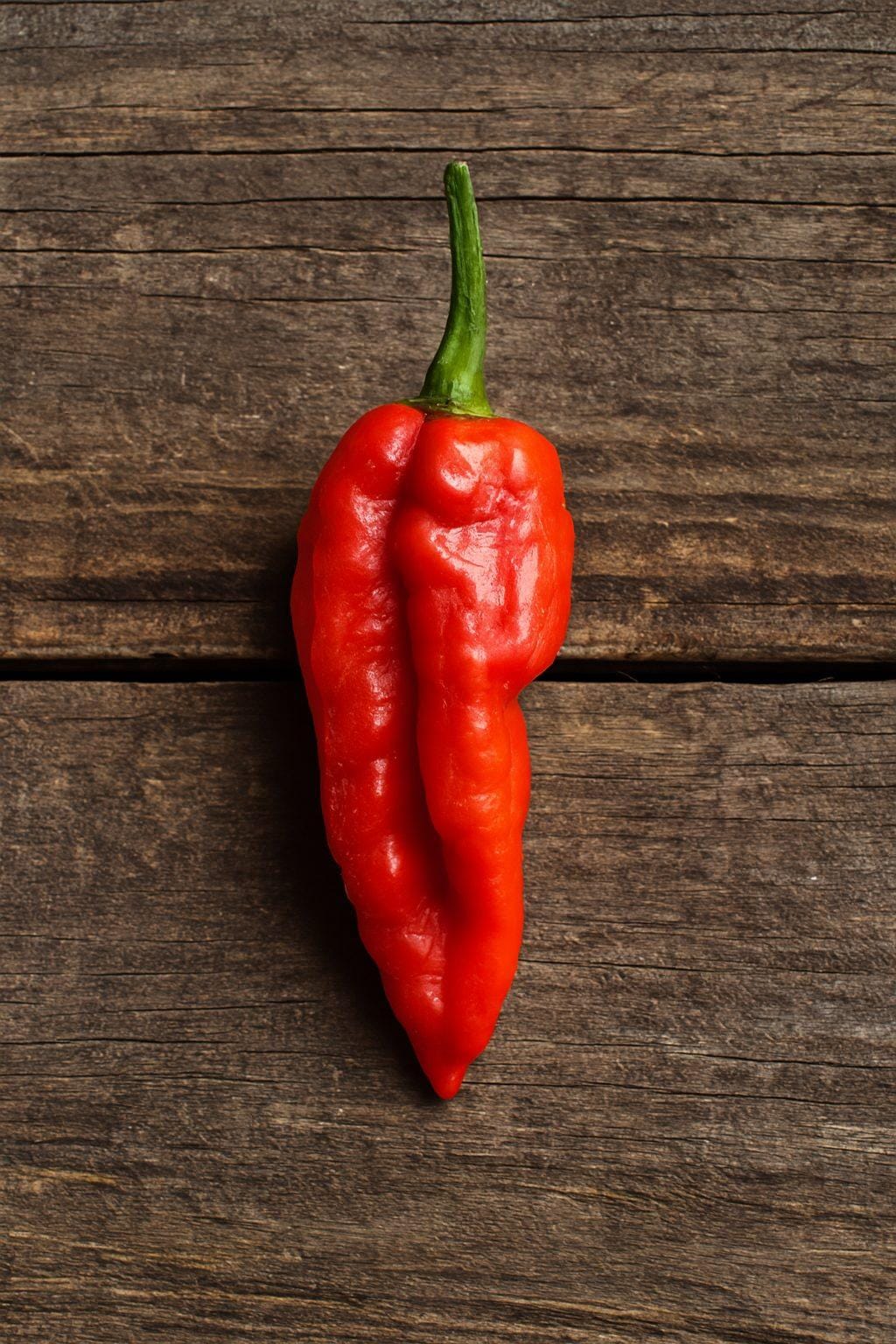
Shape: Elongated and slightly wrinkled; often curved with a pointed tip
Size: 5–7 cm long, 2–3 cm diameter
Color Stages: Immature: green → Ripe: bright red
Wall Thickness: Medium
Texture & Skin: Wrinkled and semi-blistered; surface may appear glossy or matte depending on ripeness.
Plant Details
Growth Habit: Bushy
Plant Height & Width: Height: 90–120 cm, Width: 60–80 cm
Foliage: Dark green, slightly pubescent
Flower Color: White
Days to Maturity: 100–120 days from germination
Yield: Moderate – typically 50–80 pods per plant under optimal conditions.
Cultivation Information
Seed Count per Pack: 5 or 10 seeds (Presoaking Chilli Seeds)
Germination Time: 7–14 days (Germinating Chilli Seeds)
Optimal Germination Temp: 25–30°C (Essential guide to ideal temperatures and humidity for chilli seed germination)
Light Requirements: Filtered sun
Soil Preferences:
- pH: 6.0–6.8
- Well-draining loamy soil
- Rich in compost and organic matter (Easy DIY soil mixes)
Storage Tips: Store ghost pepper seeds in airtight containers in a cool, dry place. Refrigeration is recommended for long-term viability. Avoid exposure to moisture and direct sunlight.
Other Ghost pepper/bhut Jolokia cultivars: Brazilian ghost choc, Peach Ghost, Mustard ghost, Purple ghost, Yellow Ghost, Umorok choc, King Naga And White ghost pepper
Notable Compounds
Capsaicinoid Content: High concentrations of capsaicin and dihydrocapsaicin; responsible for delayed onset and sustained burn
Volatile Flavor Compounds: Limonene, vanillin, and trace esters contribute to fruity and smoky aroma
Anthocyanins / Pigments: No purple pigmentation observed; coloration driven by carotenoids responsible for red hue.
Culinary & Cultural Use
Traditional Uses: Ghost Pepper chilli has long been used in:
- Assamese and Naga-style chutneys
- Pickled pepper assortments
- Fermented chili pastes
- Smoked meat rubs
- Extreme heat sauces and powders
Raw vs Cooked Flavor: Raw Bhut Jolokia pods deliver a crisp texture and bright fruitiness with delayed heat. Roasting enhances sweetness and adds depth, while pickling preserves the pod’s texture and introduces acidity. Fermentation deepens umami notes and softens the burn, making it ideal for aged sauces and powders.
Regional Dishes:
- Bhoot Jolokia chutney (Assamese style)
- Naga pork curry with ghost pepper infusion
- Indian-style pickled chilies
- Trinidadian pepper sauces (adapted)
- Southeast Asian sambals with ghost pepper base
Storage / Drying / Preserving Tips:
- Air-drying recommended for preserving flavor and heat
- Oven drying below 50°C retains volatile compounds
- Fermentation in salt brine enhances complexity and shelf life
- Pickling in vinegar with garlic and mustard seed preserves both heat and aesthetics
- Freezing suitable for short-term use, though texture may degrade



Reviews
There are no reviews yet.