
Description
Product Name: King Naga
Cultivar Name: King Naga
Species: Capsicum chinense
Common Names: King Naga, Raja Mircha, Naga King Chilli
Type: Superhot Landrace-Derived Hybrid
Origin & Lineage
Geographic Origin:
Native to the Northeast Indian region, particularly Nagaland and Assam, with cultivation extending into Bangladesh. The King Naga is a phenotypic variant within the broader Naga family, which includes Bhut Jolokia, Naga Morich, and Dorset Naga. It is considered one of the largest and most productive members of the group.
Cultural Significance:
The King Naga holds deep cultural and economic importance in Nagaland, where it is traditionally used in food preservation, ceremonial dishes, and medicinal applications. It received Geographical Indication (GI) status in 2008, protecting its identity and origin. The pepper is a staple in tribal cuisine and is often featured in festivals, competitions, and traditional healing practices.
Lineage / Breeder History
Parentage:
Landrace-derived selection from Bhut Jolokia and Naga Morich populations
Breeder:
Not attributed to a single breeder; stabilized through generational selection in Nagaland and Bangladesh
Selected Traits:
• Elongated pods with wrinkled texture
• Fruity, smoky aroma with floral undertones
• Intense, slow-building heat
• High productivity and adaptability
• Deep red ripening stage with high capsaicinoid content
Stabilization Status:
Stable cultivar. Variability exists across regional strains, but King Naga is recognized as a distinct phenotype within the Naga lineage.
Heat Profile
Scoville Rating (SHU):
Estimated 900,000–1,382,000 SHU
Perceived Heat:
Extreme superhot
Heat Characteristics:
Delayed onset with a slow, building burn. Heat intensifies over 30–60 seconds and lingers for up to 30 minutes. Comparable to Ghost Pepper and Trinidad Moruga Scorpion in intensity. Use caution when handling and consuming.
Flavor Profile
Tasting Notes:
Fruity and floral with hints of smoke, citrus, and green mango. The flavor is complex and aromatic, with a clean finish when fully ripe.
Aftertaste / Finish:
Lingering floral heat with a slightly smoky tail
Ideal Pairings:
• Fermented sauces with tropical fruit
• Pickled pods for traditional and gourmet applications
• Dried flakes for spice blends and rubs
• Infused oils and vinegars
• Curries, chutneys, and Indo-Chinese dishes
Fruit Characteristics
Shape:
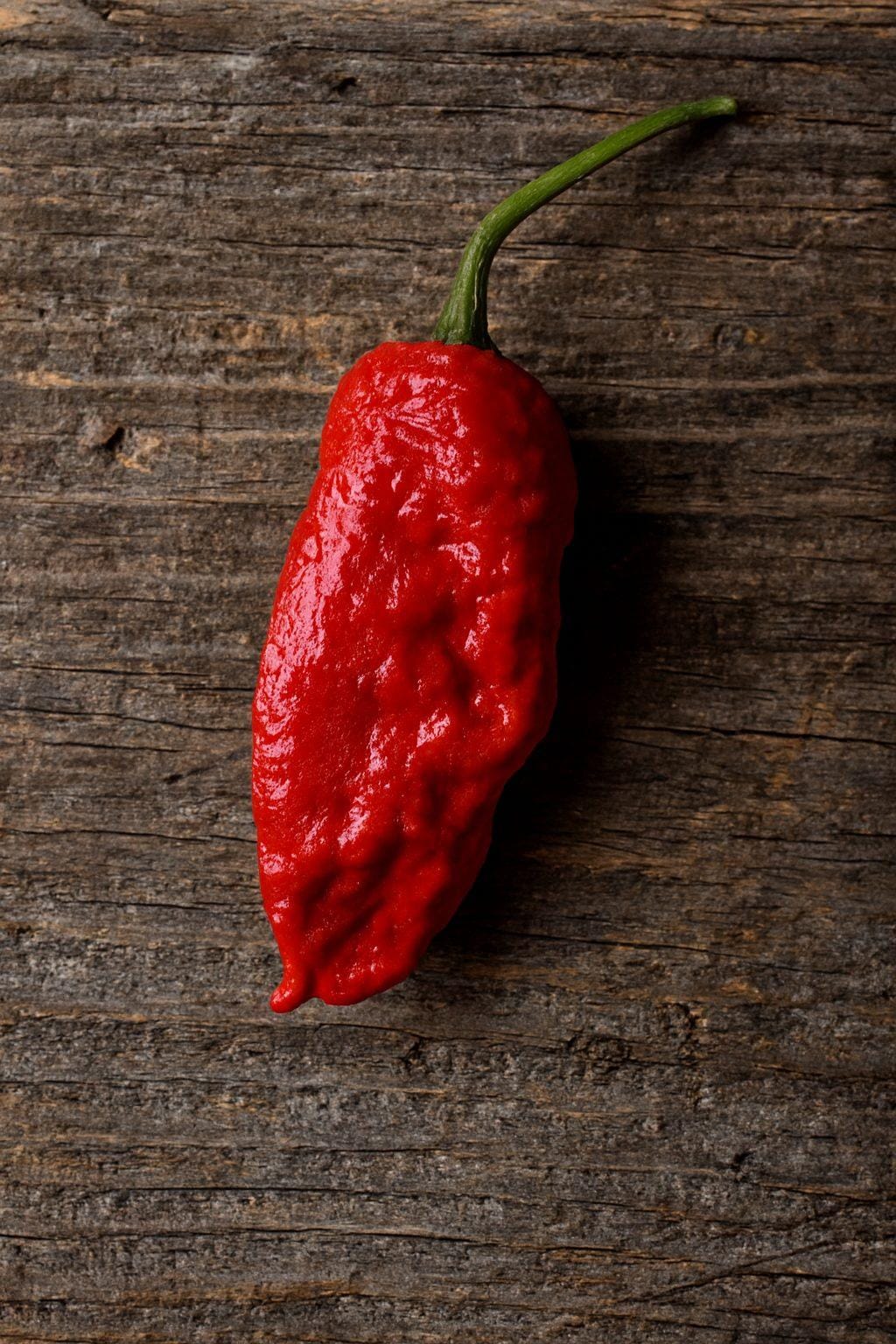
Elongated, tapered pods with a pointed tip
Size:
4–6 cm long, 1.5–2.5 cm wide
Color Stages:
• Immature: Pale green
• Mid-stage: Orange to red-orange
• Ripe: Deep red with glossy finish
Wall Thickness:
Medium
Texture & Skin:
Wrinkled and slightly bumpy; leathery when dried
Plant Details
Growth Habit:
Upright and bushy with moderate branching
Plant Height & Width:
Height: 90–120 cm
Width: 60–80 cm
Foliage:
Dark green leaves with white flowers
Days to Maturity:
100–120 days from transplant
Yield:
High — up to 200–300 pods per plant under optimal conditions
Plants thrive in warm, humid climates and are well-suited to greenhouse or open-field cultivation in tropical zones.
Cultivation Information
Seed Count per Pack: 10 seeds
Germination Time: 10–14 days (Germinating Chilli Seeds)
Optimal Germination Temp: 26–32°C (Essential guide to ideal temperatures and humidity for chilli seed germination)
Light Requirements: Full sun
Soil Preferences:
• pH: 6.0–6.5
• Rich, well-draining loam (Easy DIY soil mixes)
• Benefits from compost and organic feeding
Watering:
Consistent moisture; avoid waterlogging. Mulch recommended.
Fertilization:
Apply balanced NPK fertilizer every 2–3 weeks. Supplement with calcium and magnesium during fruiting.
Support:
Staking optional; plants are self-supporting under most conditions
Pruning:
Remove lower leaves to improve airflow. Pinch growing tips to encourage branching.
Storage Tips:
Store seeds in a cool, dry place. Refrigeration at 4–8°C extends viability. Avoid humidity and light exposure.
Notable Compounds
Capsaicinoid Content:
High — primarily capsaicin and dihydrocapsaicin
Volatile Flavor Compounds:
Limonene, methyl anthranilate, and esters contribute to fruity aroma
Pigments:
Capsanthin (red), capsorubin, and carotenoids
Nutritional Value:
Rich in vitamin C, antioxidants, and dietary fiber
Culinary & Cultural Use
Traditional Uses:
Used in Naga tribal cuisine for chutneys, smoked meats, and fermented dishes. Also applied in medicinal preparations for pain relief and digestion.
Raw vs Cooked Flavor:
Raw: Fruity, floral, and sharp
Cooked: Smoky, mellowed sweetness with intensified heat
Regional Dishes:
• Raja Mircha chutney with fermented bamboo shoot
• Smoked pork with King Naga paste
• Pickled pods in mustard oil
• Ghost pepper curries and Indo-Chinese stir-fries
• Infused oils for gourmet applications
Storage / Drying / Preserving Tips:
• Dries well for powder or flakes
• Pickles effectively in vinegar or brine
• Can be frozen whole or sliced
• Suitable for oil infusions and fermented sauces


Reviews
There are no reviews yet.