
Description
Cultivar Name: Bishops Crown Pepper Seeds
Species: Capsicum baccatum var. pendulum
Common Names: Bishops Crown, Christmas Bell Pepper, Joker’s Hat, Balloon Pepper, Pimenta Cambuci
Type: Heirloom/Landrace-derived cultivar
Origin & Lineage
Geographic Origin: South America—likely Brazil or Peru; also found in Barbados and introduced to Europe via Portuguese trade routes
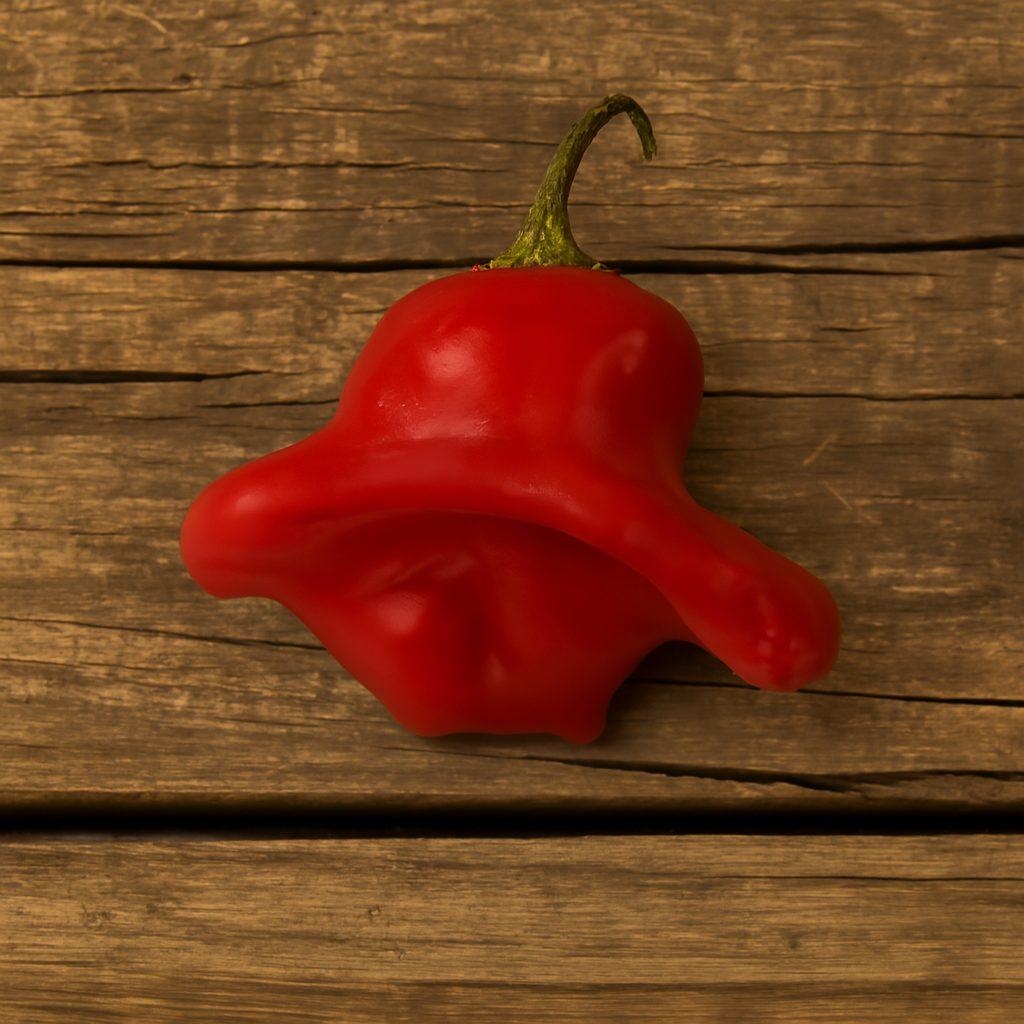
Development History: The Bishops Crown pepper is a naturally occurring cultivar of Capsicum baccatum var. pendulum, named for its distinctive three-lobed shape resembling a bishop’s miter. Historical records suggest it was cultivated in South America for centuries, with archaeological evidence of baccatum varieties dating back to 2,500 BCE in Peru and Bolivia. Its spread to Europe is attributed to Portuguese traders in the 18th century, and today it is grown globally by hobbyists and small-scale farmers.
Cultural Significance: Known by many names—Christmas Bell Pepper, Joker’s Hat, Balloon Pepper—the Bishops Crown has become a favorite among growers for its ornamental appeal and culinary versatility. In Brazil, it’s often used in traditional sauces and pickles, while in Europe it’s prized for stuffing and fresh use. Its whimsical shape has earned it a place in food festivals and garden showcases alike.
Lineage / Hybridizer History:
This cultivar is not the result of modern hybridization but rather centuries of regional selection. It belongs to the baccatum species, which is easily distinguished by its white-greenish flowers and berry-like fruit. Its genetic stability and resistance to cross-pollination make it ideal for seed saving and open-pollinated cultivation.
Heat Profile
Scoville Rating (SHU): 5,000–30,000 SHU
Perceived Heat: Mild to medium—comparable to jalapeño or serrano
Heat Characteristics: The heat is concentrated in the central cavity and membranes. It begins with a gentle warmth and can escalate depending on ripeness and growing conditions. The wings of the pepper are typically sweet and mild, while the central body delivers a sharper kick. Removing seeds and membranes significantly reduces the burn.
Flavor Profile
Tasting Notes: Bishops Crown peppers offer a fruity, apple-like sweetness with subtle tang and a crisp texture. When fully ripe, they develop notes of cherry, citrus, and bell pepper. The flavor is clean and refreshing, making them ideal for raw applications.
Aftertaste / Finish: The finish is mildly spicy with lingering sweetness. Roasting enhances their natural sugars, while pickling introduces a bright, vinegary snap.
Ideal Pairings:
- Cheese-stuffed appetizers
- Pickled pepper relishes
- Fresh salsas and salads
- Stir-fries and vegetable medleys
- Roasted pepper sauces and dips
Pod Review: https://www.youtube.com/watch?v=SnGkCr3-ObA
Fruit Characteristics
- Shape: Three-lobed, crown-like with pointed tips
- Size: 2–3 inches wide, 1–2 inches tall
- Color Stages: Immature: pale green → Ripe: bright red (occasionally orange or yellow)
- Wall Thickness: Thin to medium
- Texture & Skin: Smooth, glossy, crisp
Plant Details
- Growth Habit: Upright and branching
- Plant Height & Width: 90–120 cm tall, 60–90 cm spread
- Foliage: Light green, slightly pubescent leaves
- Flower Color: White with greenish markings
- Days to Maturity: 90–100 days from transplant
- Yield: Moderate – 30–50 pods per plant under ideal conditions
Cultivation Information
- Seed Count per Pack: 5 or 10 seeds
- Germination Time: 10–20 days (Germinating Chilli Seeds)
- Optimal Germination Temp: 21–27°C (Essential guide to ideal temperatures and humidity for chilli seed germination)
- Light Requirements: Filtered sun (minimum 6–8 hours/day)
- Soil Preferences:
- pH: 6.2–7.0
- Well-draining loam enriched with compost (Easy DIY soil mixes)
- Mulch to retain moisture; avoid overwatering
Storage Tips: Store seeds in airtight containers in a cool, dry place. Refrigeration with desiccants can extend viability up to 3 years.
Notable Compounds
Capsaicinoid Content:
- Moderate capsaicin and dihydrocapsaicin
- Heat varies by fruit maturity and growing stress
Volatile Flavor Compounds:
- Limonene (citrus)
- Beta-ionone (fruity)
- Vanillin (sweetness)
Anthocyanins / Pigments: Red coloration due to carotenoids; no purple pigmentation
Culinary & Cultural Use
Traditional Uses: In South America, Bishops Crown peppers are used in pickles, sauces, and fresh salads. Their large cavity and mild heat make them ideal for stuffing with cheese, meat, or grains. In Barbados, they’re known as “Christmas Bell” and often appear in festive dishes.
Raw vs Cooked Flavor: Raw pods deliver crisp sweetness and mild spice. Cooking—especially roasting—intensifies their sugars and adds depth. Pickling introduces acidity and preserves their crunch. Dehydrated pods can be ground into a sweet-spicy powder.
Regional Dishes:
- Cheese-stuffed Bishops Crown poppers
- Pickled Christmas Bell pepper rings
- Sweet pepper salsa with lime and coriander
- Roasted Bishops Crown with olive oil and garlic
- Mild chilli jam or chutney
Storage / Drying / Preserving Tips:
Drying is best done with sliced pods due to thin walls. Use a dehydrator or low oven heat. Pickling is highly effective—combine with vinegar, sugar, and spices. Roasted peppers can be frozen for later use.



Reviews
There are no reviews yet.