
Description
Product Name: Caribbean Red Habanero Chilli Seeds
Cultivar Name: Caribbean Red Habanero
Species:Capsicum chinense
Common Names: Caribbean Habanero, Red Habanero
Type: heirloom
Origin & Lineage
Geographic Origin:
The Caribbean Red Habanero traces its roots to the Yucatán Peninsula in Mexico, a region historically rich in chili pepper biodiversity. From there, it was dispersed across the Caribbean islands—particularly Haiti, Cuba, and the Cayman Islands—by birds and early agricultural trade. Today, it is cultivated globally, but its strongest genetic and cultural ties remain anchored in the Caribbean basin.
Cultural Significance:
In Caribbean and Central American cuisines, habaneros are revered not only for their heat but also for their complex flavor. The Caribbean Red Habanero, in particular, is used in traditional hot sauces, meat rubs, and tropical salsas. While not associated with ritual use, it has become a symbol of regional identity and culinary pride. Its intense heat and vibrant color have earned it a place in folklore as “Queen of Fire,” a nickname used by growers in Haiti and Jamaica.
Lineage / Hybridizer History:
The Caribbean Red Habanero is a naturally selected heirloom cultivar, believed to be a stabilized red phenotype of the original orange habanero. It was not developed by a single breeder but rather emerged through generations of open pollination and selection for heat, color, and flavor. Unlike Hybrid varieties, it retains genetic stability across generations, making it ideal for seed saving and heirloom cultivation.
Heat Profile
Scoville Rating (SHU):
300,000–445,000 SHU
Perceived Heat:
Superhot (500,000 or more SHU is the threshold, but Caribbean Red Habanero sits just below, often perceived as superhot due to its rapid onset and intensity)
Heat Characteristics:
The Caribbean Red Habanero delivers a sharp, immediate burn that intensifies quickly and lingers. The capsaicin concentration is high, and the burn is felt across the tongue, throat, and nasal passages. Unlike slower-building varieties, this pepper strikes fast and can overwhelm unprepared palates. When dried or fermented, the heat becomes more integrated, allowing the flavor to emerge more clearly.
Flavor Profile
Tasting Notes:
Bright citrus notes dominate, followed by a smoky undertone and subtle sweetness. The flavor is more intense than the standard orange habanero, with hints of tropical fruit and paprika.
Aftertaste / Finish:
A lingering warmth remains after the initial burn, accompanied by a faint bitterness and a clean, fruity finish. Roasting enhances the smoky depth, while fermentation brings out tangy and umami layers.
Ideal Pairings:
- Mango and pineapple salsas
- Citrus-based marinades
- Caribbean jerk seasoning
- Tomato-based hot sauces
- Roasted vegetable spreads
Pod Review: https://www.youtube.com/watch?v=W52eQ_EP8OI
Fruit Characteristics
Shape:
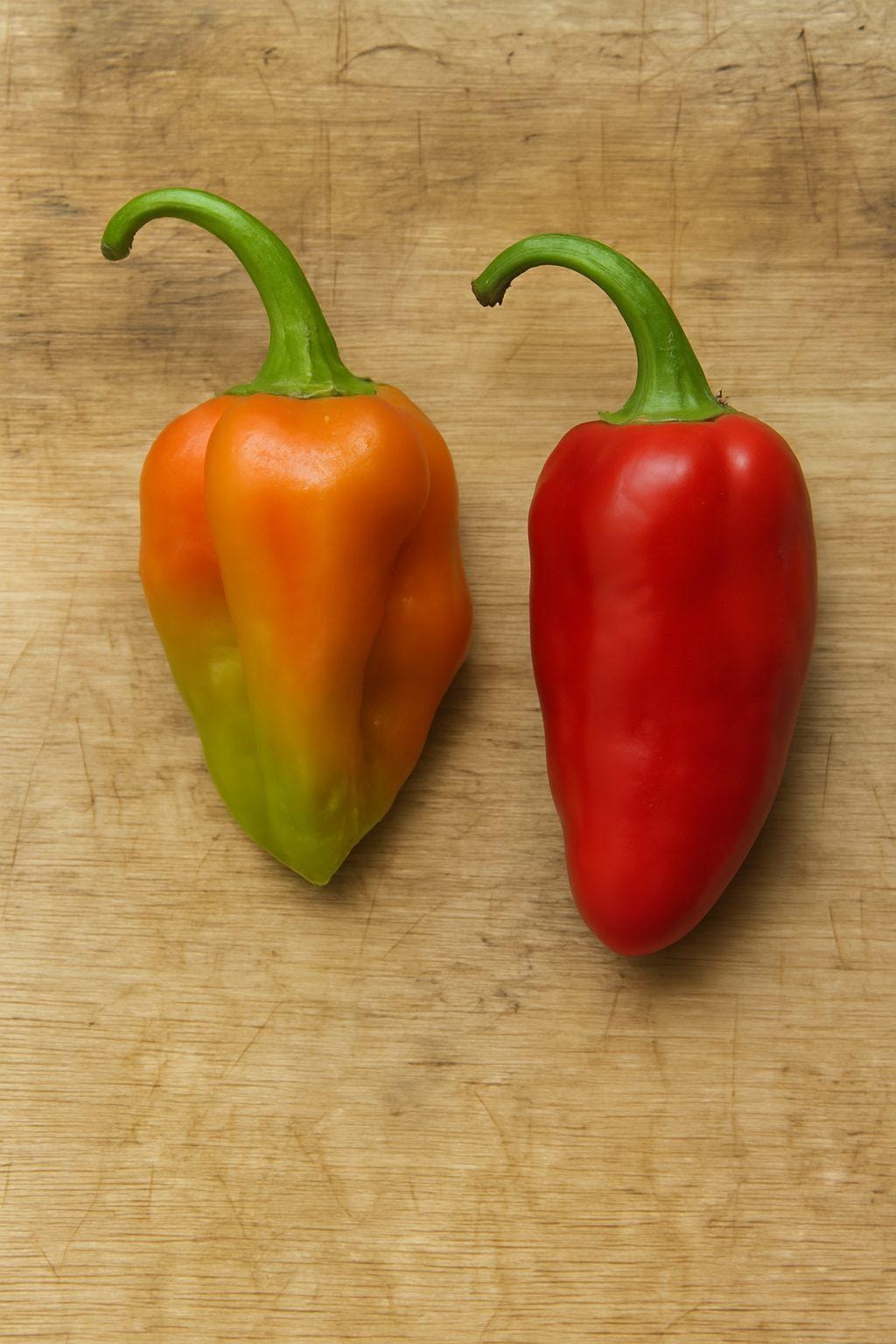
Lantern-shaped with slight wrinkling
Size:
Approximately 4–5 cm long, 2–3 cm diameter
Color Stages:
Immature: green → Ripe: bright red
Wall Thickness:
Thin
Texture & Skin:
Wrinkled, slightly blistered with a glossy finish.
Plant Details
Growth Habit:
Bushy
Plant Height & Width:
Height: 80–100 cm
Width: 60–80 cm
Foliage:
Dark green, non-pubescent
Flower Color:
White to pale green
Days to Maturity:
100–120 days from germination
Yield:
Moderate – typically 25–40 pods per plant under optimal conditions.
Cultivation Information
Seed Count per Pack:
5 or 10 seeds (Presoaking Chilli Seeds)
Germination Time:
7–14 days (Germinating Chilli Seeds)
Optimal Germination Temp:
25–30°C (Essential guide to ideal temperatures and humidity for chilli seed germination)
Light Requirements:
Filtered sun
Soil Preferences:
Well-drained loamy soil with pH between 6.0–6.8, enriched with compost or aged manure (Easy DIY soil mixes)
Storage Tips:
Store Caribbean Red Habanero seeds in airtight containers in a cool, dry environment. Refrigeration at 4–10°C can extend viability up to 3 years. Avoid exposure to humidity and light.
Other Habanero Cultivars: Pumpkin Habanero, Mustard Habanero, Teja Habanero, Red Habanero, Habanero White Bullet, Orange Habanero, Swiss Choc Habanero, West Indies Red Habanero, Habanero Burning Bush, Peach Habanero, Red Savina Habanero and Chocolate Habanero
Notable Compounds
Capsaicinoid Content:
High levels of capsaicin and dihydrocapsaicin contribute to its rapid and intense heat. These compounds are concentrated in the placenta and inner walls.
Volatile Flavor Compounds:
- Limonene (citrus brightness)
- Vanillin (subtle sweetness)
- δ-Cadinene (woody, spicy aroma)
- 3-methylbutyl 2-methylpropanoate (fruity ester)
Anthocyanins / Pigments:
No purple pigmentation; red coloration is due to carotenoids such as capsanthin and capsorubin.
Culinary & Cultural Use
Traditional Uses:
- Caribbean hot sauces and pepper pastes
- Meat rubs and jerk marinades
- Tropical fruit salsas
- Spicy jams and chutneys
Raw vs Cooked Flavor:
Raw: sharp, citrusy, and intensely hot
Roasted: smoky with mellowed heat
Pickled: tangy and softened texture
Fermented: complex, umami-rich with earthy depth
Regional Dishes:
- Jamaican jerk chicken with Caribbean Red Habanero glaze
- Haitian pikliz (spicy pickled slaw)
- Trinidadian pepper sauce
- Mango-Caribbean Red salsa for grilled seafood
- Caribbean Red Habanero jam with guava or pineapple
Storage / Drying / Preserving Tips:
- Dry whole pods at 50°C for 6–8 hours; ideal for powder or flakes
- Ferment with garlic, salt, and vinegar for 10–14 days
- Freeze whole pods in airtight bags for up to 6 months
- Store dried pods in vacuum-sealed containers to preserve flavor and potency


Reviews
There are no reviews yet.