
Description
Product Name: Habanero Burning Bush Chilli Seeds
Cultivar Name: Habanero Burning Bush
Species: Capsicum chinense
Common Names: Burning Bush Habanero
Type: Stable Hybrid
Origin & Lineage
Geographic Origin: The Habanero Burning Bush is a modern cultivar developed in the United States, likely as a selection from the ‘Chichen Itza’ habanero line, a hybrid known for its compact growth, early fruiting, and high yields. While the original habanero (Capsicum chinense) traces its ancestry to the Amazon basin, with archaeological evidence dating back over 8,000 years, the Habanero Burning Bush represents a distinctly American refinement of this ancient lineage.
Its development was driven by the desire to combine ornamental appeal with culinary performance—a hallmark of many U.S.-bred superhot varieties. The cultivar’s peach-orange pods, dense foliage, and prolific fruiting habit make it ideal for container gardening, especially in temperate climates where space and season length are limiting factors.
Though not formally documented in breeding registries, the Habanero Burning Bush likely emerged from selective breeding programs focused on ornamental peppers, where traits like color contrast, fruit density, and growth symmetry are prioritized alongside heat and flavor.
Cultural Significance: The Habanero Burning Bush earns its name from its fiery visual impact—a mature plant can be covered in hundreds of glowing pods, creating a spectacle that resembles a bush ablaze. This dramatic display has made it a favorite among:
- Urban gardeners, who value its compact form and patio-friendly size
- Hot sauce makers, who appreciate its consistent heat and fruity aroma
- Edible landscapers, who use it as a dual-purpose plant—both decorative and functional
While not tied to traditional folklore or ritual, the Habanero Burning Bush has become a symbol of modern chili enthusiasm, especially in the U.S. and Europe, where ornamental superhots are gaining popularity. Its early maturity (often fruiting within 75–85 days) and continuous pod set make it ideal for growers seeking season-long harvests with visual flair.
In culinary use, the Habanero Burning Bush delivers a fruity, floral heat typical of Capsicum chinense, with Scoville ratings estimated between 200,000 and 300,000 SHU. Its thick-walled pods are suitable for:
- Fresh slicing into salsas and relishes
- Fermentation for hot sauces
- Drying and powdering for spice blends
Its ornamental value doesn’t compromise its flavor—making it a true crossover cultivar for both aesthetic and culinary applications.
Lineage / Hybridizer History: Though the exact breeder is not publicly credited, the Habanero Burning Bush is widely believed to descend from stabilized habanero hybrids, particularly the ‘Chichen Itza’ line, which was developed for early fruiting, compact growth, and disease resistance. The Burning Bush appears to be a refined selection, emphasizing:
- Uniform pod shape and size
- Peach-orange coloration
- High capsaicin content
- Dense branching and ornamental symmetry
It belongs to the species Capsicum chinense, known for its floral aroma, lingering heat, and tropical flavor notes. Like other chinense cultivars, it is self-pollinating, but open-pollinated strains of the Burning Bush have been stabilized over multiple generations, allowing growers to save seeds with reliable results.
The cultivar is now offered by several specialty seed companies and is often featured in chili festivals, ornamental plant catalogs, and hot sauce ingredient lists. Its success reflects a broader trend in pepper breeding: the fusion of visual drama with culinary depth, appealing to both gardeners and chefs.
Heat Profile
Scoville Rating (SHU): 150,000–180,000 SHU
Perceived Heat: Very Hot
Heat Characteristics: Immediate and intense. The burn starts on the tongue and spreads to the throat and sinuses. It’s sharp, persistent, and best used in moderation. Gloves are recommended during handling.
Flavor Profile
Tasting Notes: Fruity and floral with notes of apricot, citrus, and melon. The sweetness is noticeable before the heat takes over.
Aftertaste / Finish: Lingering warmth with a clean, slightly smoky finish. The fruity top notes remain even after cooking.
Ideal Pairings:
- Mango-habanero hot sauces
- Tropical chutneys and relishes
- Spicy marinades for grilled meats
- Fermented pepper mashes
- Pickled with garlic and vinegar
Fruit Characteristics
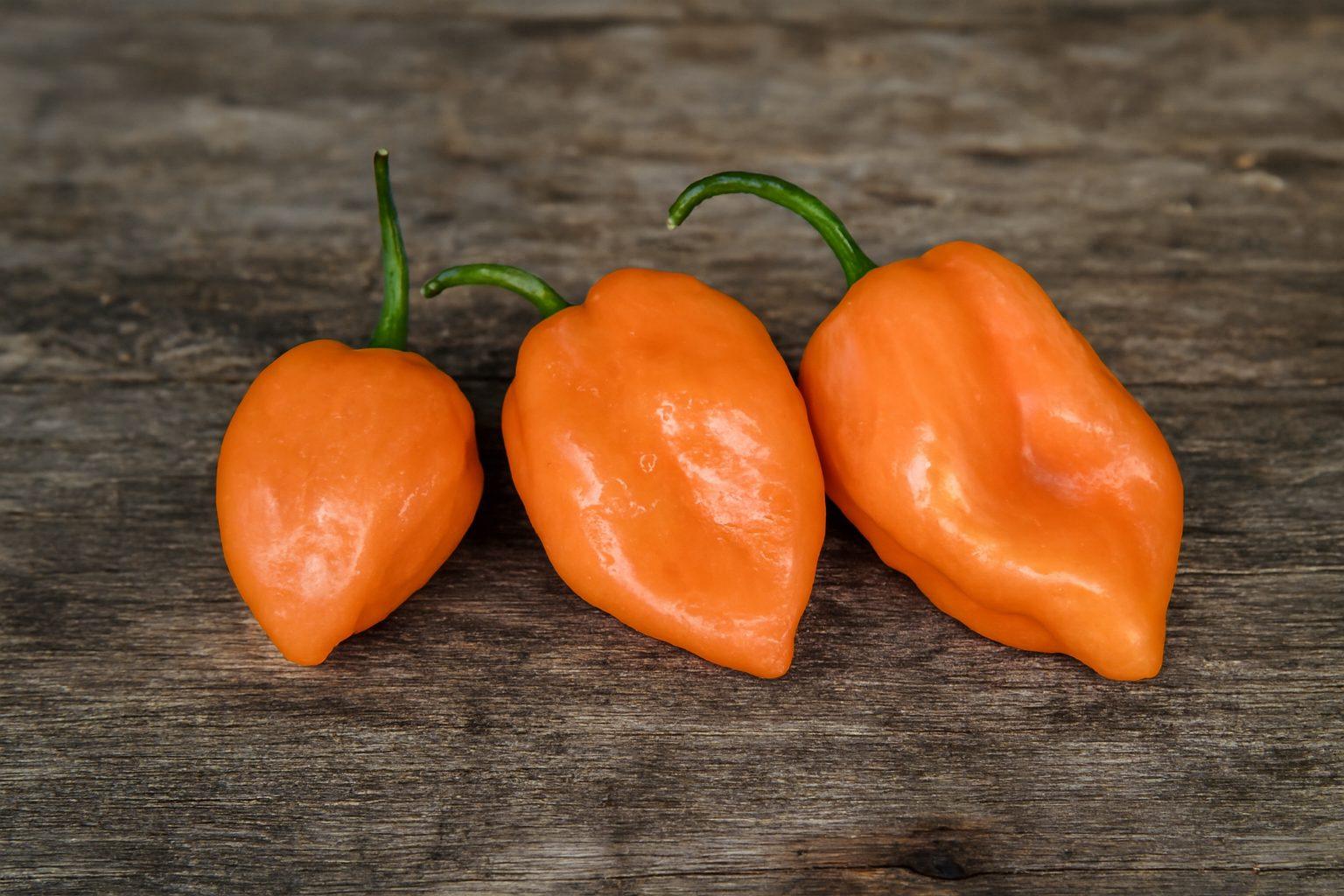
Shape: Lantern-shaped pods with slight wrinkling
Size: 2.5–3 inches (6–8 cm) long, 1.5 inches (3–4 cm) diameter
Color Stages:
- Immature: Light green
- Ripe: Peach-orange
- Overripe: May deepen to orange-red
Wall Thickness: Medium
Texture & Skin: Smooth to slightly wrinkled; firm and glossy
Plant Details
Growth Habit: Bushy and upright
Plant Height & Width:
Height: 60–90 cm
Width: 50–70 cm
Foliage: Deep green, smooth leaves
Flower Color: White
Days to Maturity: 85–100 days from transplant
Yield: High – often over 100 pods per plant under optimal conditions
Cultivation Information
Seed Count per Pack: 5 to 10 seeds
Germination Time: 10–14 days (Germinating Chilli Seeds)
Optimal Germination Temp: 25–30°C (Essential guide to ideal temperatures and humidity for chilli seed germination)
Light Requirements: Filtered sun
Soil Preferences:
- pH: 6.0–6.8
- Fertile, well-draining soil (Easy DIY soil mixes)
- Benefits from compost and potassium-rich feed
Storage Tips:
Store Habanero Burning Bush seeds in a cool, dry place. Refrigeration at 4–8°C extends viability. Avoid moisture and direct light.
Notable Compounds
Capsaicinoid Content: High levels of capsaicin and dihydrocapsaicin; pungency concentrated in placenta and seeds
Volatile Flavor Compounds: Limonene, vanillin, and esters contribute to the fruity aroma
Anthocyanins / Pigments: Low anthocyanin expression; peach coloration driven by carotenoids like beta-carotene and capsanthin
Culinary & Cultural Use
Traditional Uses: Not tied to traditional cuisine, but used similarly to other habaneros in sauces, pickles, and spice blends
Raw vs Cooked Flavor: Raw Habanero Burning Bush pods are crisp and fruity with sharp heat. Cooking enhances sweetness and softens bitterness. Fermentation deepens complexity.
Regional Dishes:
- Caribbean-style pepper sauces
- American BBQ glazes
- Mexican salsas with tropical fruit
- Southeast Asian sambals with citrus
Storage / Drying / Preserving Tips:
- Ideal for fermentation and sauce-making
- Can be dried whole or sliced
- Powdered form retains color and heat for seasoning blends



Reviews
There are no reviews yet.