
Description
Product Name: Orange Habanero
Cultivar Name: Orange Habanero
Species: Capsicum chinense
Common Names: Habanero Orange, Yucatán Habanero, Lantern Pepper
Type: Heirloom
Origin & Lineage
Geographic Origin: Orange Habanero peppers are descendants of ancient Capsicum chinense lines native to the Amazon basin. These early peppers were domesticated over 8,000 years ago and spread northward into Central America and the Caribbean. The cultivar known today as Orange Habanero was refined in Mexico’s Yucatán Peninsula, where it became a staple in regional cuisine and agricultural trade.
The name “habanero” derives from La Habana (Havana), Cuba, due to early Spanish trade routes, though the pepper’s true origin lies in Mexico. Today, Orange Habaneros are commercially cultivated in Mexico, Belize, Costa Rica, and the Caribbean, and grown on smaller scales in the United States, Europe, and Asia.
Cultural Significance:
Orange Habanero peppers are iconic in Yucatán cuisine, used in salsas, recados, and marinades. Their intense heat and fruity flavor have made them a global favorite for hot sauce production and culinary experimentation. In Japan, dried habaneros are even used as rodent deterrents in fiberoptic cable coatings, showcasing their versatility beyond the kitchen.
Lineage / Hybridizer History
Parentage:
Wild Capsicum chinense landraces from the Amazon basin, refined through centuries of cultivation in Mexico
Breeders selected for:
- Bright orange coloration
- Fruity, tropical flavor with floral undertones
- High capsaicin concentration
- Thin-walled pods with lantern-like shape
Stabilized Traits:
Highly stable heirloom cultivar. Widely available through commercial seed catalogs and heirloom vendors.
Heat Profile
Scoville Rating (SHU):
100,000–350,000 SHU
Perceived Heat: Very Hot
Heat Characteristics:
Sharp and immediate. The burn is intense and can linger for up to an hour. Gloves and ventilation are recommended during handling. The heat is concentrated in the placenta and seed membranes.
Flavor Profile
Tasting Notes:
Sweet, fruity, and tropical with hints of citrus and apricot. A subtle smokiness emerges when roasted or fermented.
Aftertaste / Finish:
Lingering fire with a clean, fruity finish
Ideal Pairings:
- Mango, pineapple, and peach-based sauces
- Caribbean jerk marinades
- Tomato salsas and chutneys
- Pickled with garlic and vinegar
- Infused oils and spirits (vodka, tequila)
- Powdered for dry rubs and seasoning blends
Fruit Characteristics
Shape:
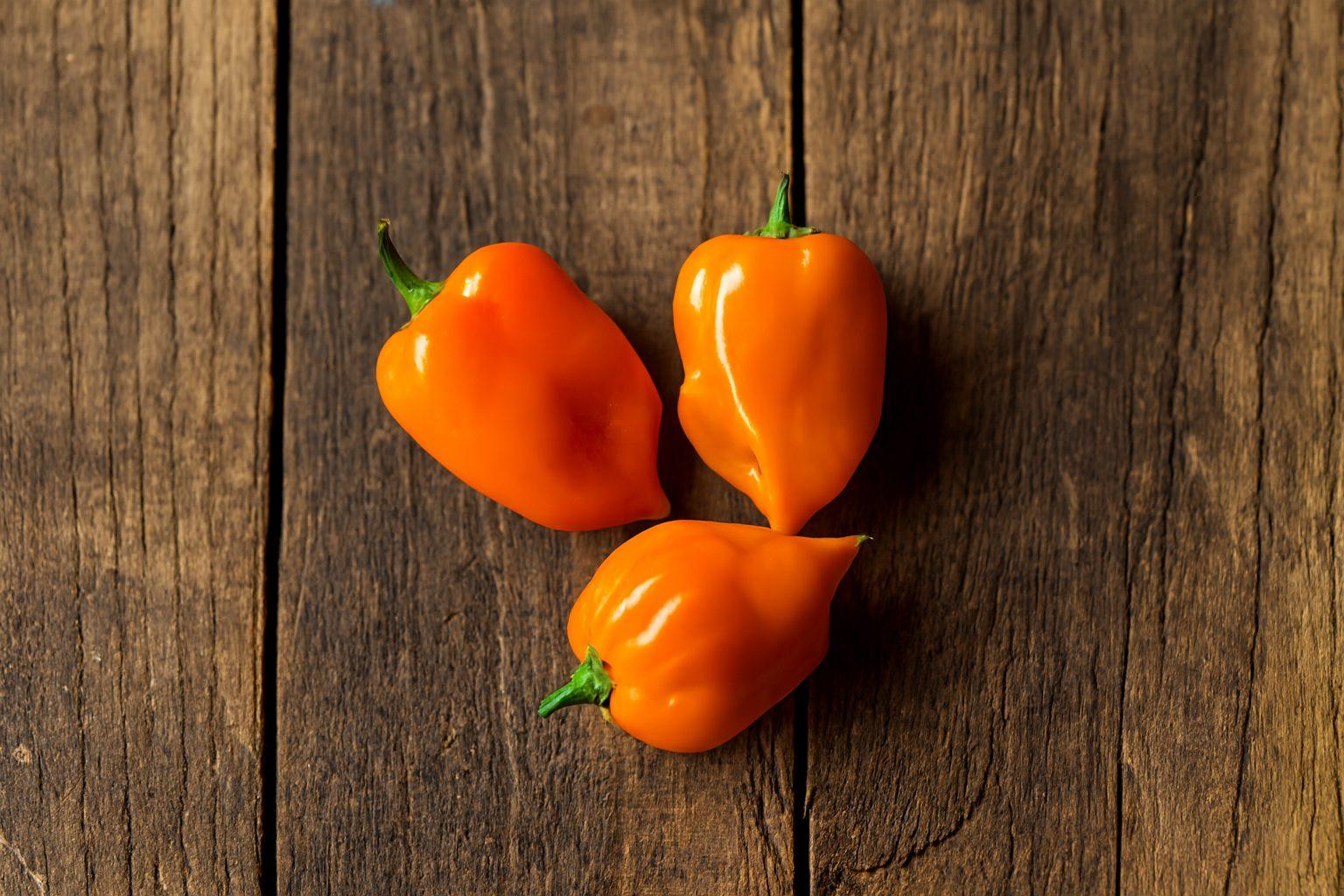
Lantern-shaped with slight tapering and folds
Size:
5–7 cm long, 2–5 cm wide
Color Stages:
- Immature: Green
- Ripe: Bright orange
- Overripe: May deepen to burnt orange
Wall Thickness:
Thin
Texture & Skin:
Smooth, glossy, and waxy with crisp flesh
Plant Details
Growth Habit:
Bushy and compact
Plant Height & Width:
Height: 60–90 cm
Width: 45–60 cm
Foliage:
Dark green, ovate leaves
Flower Color:
White
Days to Maturity:
90–120 days from transplant
Yield:
High – typically 50–100 pods per plant under optimal conditions
Cultivation Information
Seed Count per Pack: 10 seeds
Germination Time: 7–14 days (Germinating Chilli Seeds)
Optimal Germination Temp: 26–32°C (Essential guide to ideal temperatures and humidity for chilli seed germination)
Light Requirements: Filtered sun
Soil Preferences:
- pH: 6.2–7.0
- Rich, well-draining loam (Easy DIY soil mixes)
- Benefits from compost and potassium-rich feeding
Storage Tips:
Store seeds in a cool, dry place. Refrigeration at 4–8°C extends viability. Avoid humidity and direct light.
Notable Compounds
Capsaicinoid Content:
High levels of capsaicin and dihydrocapsaicin; heat concentrated in placenta and seeds
Volatile Flavor Compounds:
Limonene, methyl anthranilate, and pyrazines contribute to fruity aroma
Pigments:
Orange coloration driven by capsanthin and capsorubin
Culinary & Cultural Use
Traditional Uses:
Used extensively in Yucatán cuisine for salsas, recados, and marinades. Also featured in Caribbean and Central American dishes.
Raw vs Cooked Flavor:
Raw pods are fruity and pungent with sharp heat. Cooking enhances sweetness and depth. Fermentation adds complexity and balance.
Regional Dishes:
- Yucatán-style recado rojo and escabeche
- Caribbean jerk chicken and pepper sauces
- Mexican ceviche and mole blends
- Artisan hot sauces with tropical fruit bases
Storage / Drying / Preserving Tips:
- Ideal for drying and powdering
- Can be pickled or fermented
- Freezes well for long-term use


Reviews
There are no reviews yet.