

Description
Product Name: Bolivian Rainbow Chilli Seeds
Bolivian Rainbow is a compact, ornamental Capsicum annuum cultivar celebrated for its dazzling multicolored chilli pods and moderate heat. This Heirloom variety is as visually captivating as it is culinarily versatile, producing upright clusters of teardrop-shaped fruit that transition through a vivid spectrum—purple, yellow, orange, and finally red. Though often grown for its aesthetic appeal, Bolivian Rainbow also delivers a clean, peppery heat and crisp texture that make it suitable for fresh use, pickling, and drying. Its adaptability to container growing and its continuous fruiting cycle have made it a favorite among gardeners, chefs, and collectors alike.
- Cultivar Name: Bolivian Rainbow
- Species: Capsicum annuum
- Common Names: None formally documented
- Type: Heirloom
Origin & Lineage
Geographic Origin:
Bolivian Rainbow originates from Bolivia, where it has been cultivated for generations in both domestic gardens and small-scale farms. The cultivar is believed to have evolved as a landrace variety, selected over time for its ornamental pigmentation and upright growth habit. Its ability to thrive in high-altitude conditions and its tolerance to filtered sun suggest it was adapted to the Andean foothills and surrounding valleys.
Cultural Significance:
While Bolivian Rainbow does not have documented ritual or folkloric use, its vibrant coloration and compact form have made it a symbol of biodiversity and ornamental horticulture. In Bolivian home gardens, the pepper is often grown alongside herbs and medicinal plants, contributing both color and culinary utility. Its continuous fruiting and multicolor display have earned it a place in educational gardens and botanical collections worldwide, where it is used to demonstrate plant pigmentation, pollination, and fruit development.
Lineage / Hybridizer History:
As an Heirloom cultivar, Bolivian Rainbow has no single documented breeder. It is considered a naturally stabilized variety within the Capsicum annuum species, likely selected through open-pollination and generational refinement. The cultivar has been distributed globally by seed vendors and botanical institutions, including the Royal Horticultural Society, which awarded it the RHS Award of Garden Merit for its ornamental and horticultural value. Its upright fruiting habit and purple-tinged foliage suggest influence from other ornamental annuum lines, though its exact genetic lineage remains unresolved.
Heat Profile
Scoville Rating (SHU):
10,000–30,000 SHU
Perceived Heat:
Medium (1,000 to 15,000 SHU) to Hot (15,000 to 50,000 SHU)
Heat Characteristics:
The burn delivered by Bolivian Rainbow is sharp and immediate, though not overwhelming. It begins with a tingling sensation on the tongue and lips, followed by a warm glow that fades within minutes. The heat is clean and localized, making it suitable for dishes that require a moderate kick without prolonged intensity. When dried, the heat concentrates slightly, enhancing its utility in spice blends and rubs.
Flavor Profile
Tasting Notes:
Bolivian Rainbow offers a crisp, peppery flavor with subtle grassy undertones. The initial taste is bright and slightly bitter, followed by a clean finish that pairs well with acidic and savory ingredients. Unlike fruity superhots, this cultivar delivers a straightforward profile ideal for pickling and drying.
Aftertaste / Finish:
The finish is dry and slightly metallic, with lingering heat and a faint vegetal note. When roasted or grilled, the bitterness softens and a mild smokiness emerges.
Ideal Pairings:
- Pickled chili medleys with garlic and vinegar
- Fresh salsas with tomato and lime
- Dried chili flakes for seasoning soups and stews
- Infused oils for stir-fries and marinades
- Decorative garnishes for salads and antipasti
Pod Review: https://www.youtube.com/watch?v=vk1cdb6EZVQ
Fruit Characteristics
Shape:
Teardrop-shaped, upright pods with pointed tips
Size:
2–3 cm long, 1 cm diameter
Color Stages:
- Immature: purple
- Transition: yellow → orange
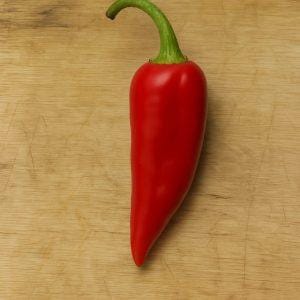
- Ripe: bright red
Wall Thickness:
Thin
Texture & Skin:
Smooth and glossy; skin is firm and dries easily.
Plant Details
Growth Habit:
Compact and bushy with upright fruiting
Plant Height & Width:
40–50 cm tall, 30–40 cm wide
Foliage:
Dark green with purple-tinged stems; slightly pubescent
Flower Color:
White with purple corolla
Days to Maturity:
90–110 days from germination
Yield:
Moderate – typically 50–80 pods per plant under optimal conditions.
Cultivation Information
Seed Count per Pack:
5 or 10 seeds (Presoaking Chilli Seeds)
Germination Time:
10–20 days (Germinating Chilli Seeds)
Optimal Germination Temp:
25–30°C (Essential guide to ideal temperatures and humidity for chilli seed germination)
Light Requirements:
Filtered sun
Soil Preferences:
Well-drained loamy soil with pH between 6.2 and 7.0; enriched with compost or aged manure (Easy DIY soil mixes)
Storage Tips:
Store seeds in airtight containers in a cool, dry place. Silica gel packets may be used to reduce humidity and extend viability.
Notable Compounds
Capsaicinoid Content:
Moderate levels of capsaicin and dihydrocapsaicin contribute to its medium-to-hot classification. These compounds are concentrated near the placenta and inner walls of the pod.
Volatile Flavor Compounds:
Trace amounts of limonene and aldehydes may be present, contributing to the pepper’s sharp aroma when sliced or roasted.
Anthocyanins / Pigments:
High anthocyanin expression is responsible for the purple pigmentation in immature pods and stems. This trait is enhanced under cooler temperatures and filtered light, contributing to the cultivar’s ornamental appeal.
Culinary & Cultural Use
Traditional Uses:
Bolivian Rainbow has been adopted into regional spice blends, pickled preparations, and dried chili powders. Its upright growth and dramatic coloration make it a popular choice for edible landscaping and decorative culinary presentations. Though not traditionally used in fresh salsas due to its bitterness, it performs well when dried, fermented, or roasted.
Raw vs Cooked Flavor:
Raw pods deliver a sharp, bitter heat with a dry finish. Cooking—especially roasting or grilling—softens the bitterness and introduces a smoky depth. Pickling adds tang and reduces the harsh edge, while fermentation deepens the flavor and introduces umami complexity.
Regional Dishes:
- Bolivian-style ají sauces
- Pickled chili ribbons in vinegar brine
- South American chili rubs for grilled meats
- Mexican-style tomatillo salsa
- Southeast Asian stir-fry infusions
Storage / Drying / Preserving Tips:
- Air-dry whole pods in shaded, ventilated areas to preserve color and flavor
- Slice and dehydrate for faster drying and powder production
- Pickle in vinegar with garlic and herbs for extended shelf life
- Ferment with salt and citrus for chili paste
- Vacuum seal dried pods to prevent oxidation and flavor degradation



Reviews
There are no reviews yet.