
Description
Product Name: West Indies Red Habanero Chilli Seeds
Cultivar Name: West Indies Red Habanero
Species: Capsicum chinense
Common Names: Caribbean Red Habanero, West Indies Red
Type: Heirloom
Origin & Lineage
Geographic Origin: The West Indies Red Habanero is native to the Caribbean basin, with deep cultivation roots in Jamaica, Trinidad, and surrounding islands. Though the broader Capsicum chinense species likely originated in the Yucatán Peninsula of Mexico, this particular cultivar was naturally selected and stabilized across generations in Caribbean kitchen gardens, where it adapted to the region’s humid tropical climate, volcanic soils, and seasonal rainfall patterns.
Its spread across the islands was facilitated by early trade routes, colonial exchanges, and indigenous farming practices, with birds and frugivores also playing a role in dispersing seeds. Over time, local growers selected for deeper red pigmentation, higher heat, and fruitier aroma, resulting in a landrace that became synonymous with Caribbean heat.
Today, the West Indies Red Habanero is considered a regional heirloom, often grown in backyard plots, community gardens, and small-scale farms, especially in Jamaica’s Blue Mountains, Trinidad’s Central Range, and St. Vincent’s fertile valleys. It thrives in full sun, reaches up to 30 inches tall, and produces heavy yields of lantern-shaped pods.
Cultural Significance: The West Indies Red Habanero is a culinary cornerstone of Caribbean cuisine, revered for its intense heat (300,000–445,000 SHU) and complex flavor profile—a blend of citrusy brightness, smoky undertones, and sweet fruitiness. It’s not just a spice—it’s a symbol of identity, celebration, and resilience.
You’ll find it in:
- Jerk seasoning rubs, where it’s mashed with allspice, thyme, and scallions
- Pepper sauces, often fermented or blended with tropical fruits like mango and papaya
- Seafood marinades, especially for grilled snapper, conch, and shrimp
- Holiday dishes, such as Christmas stews and Easter roasts, where heat marks festivity
Beyond flavor, the West Indies Red Habanero carries medicinal and spiritual significance. In many communities, it’s used for:
- Digestive stimulation and anti-inflammatory remedies
- Ritual cleansing, where its heat is believed to “burn away” negative energy
- Agricultural heritage, passed down through generations as a marker of family pride
Its role in Caribbean gastronomy is so central that it’s often referred to as the “heartbeat of island heat.”
Lineage / Hybridizer History: Unlike commercial hybrids, the West Indies Red Habanero is a naturally selected heirloom, shaped by generational cultivation rather than laboratory breeding. It belongs to the Capsicum chinense species, sharing ancestry with:
- Scotch Bonnet—known for its fruity aroma and iconic bonnet shape
- Orange Habanero—a milder cousin with thinner walls and less pigmentation
- Red Savina—a U.S.-bred cultivar that rivals it in heat but lacks its Caribbean terroir
What sets West Indies Red apart is its:
- Deeper red coloration, achieved through selective seed saving
- Higher heat ceiling, often exceeding 400,000 SHU
- Thicker pod walls, which enhance texture and shelf life
In the late 1990s, the Caribbean Agricultural Research and Development Institute (CARDI) began formalizing breeding lines from the West Indies Red Habanero to improve uniformity, yield, and marketability. Using techniques like ear-to-row selection and mass recurrent selection, CARDI extracted stable genotypes while preserving the pepper’s authentic flavor and cultural value.
Today, the West Indies Red Habanero remains a living heirloom, cherished by farmers, chefs, and chili enthusiasts alike—not just for its fire, but for its story.
Heat Profile
Scoville Rating (SHU): 250,000–450,000 SHU
Perceived Heat: Very Hot
Heat Characteristics: Immediate and intense. The burn is sharp and long-lasting, concentrated on the tongue and throat. It’s significantly hotter than standard orange habaneros, making it ideal for bold sauces and spice blends.
Flavor Profile
Tasting Notes: Fruity, citrusy, and slightly smoky. The flavor is tropical and aromatic, with a sweet front and fiery finish.
Aftertaste / Finish: Lingering heat with a tangy, floral echo. No harsh bitterness.
Ideal Pairings:
- Jerk marinades and rubs
- Tropical fruit-based hot sauces
- Pickled with garlic and ginger
- Blended into Caribbean pepper mashes
- Fermented with mango or papaya
Fruit Characteristics
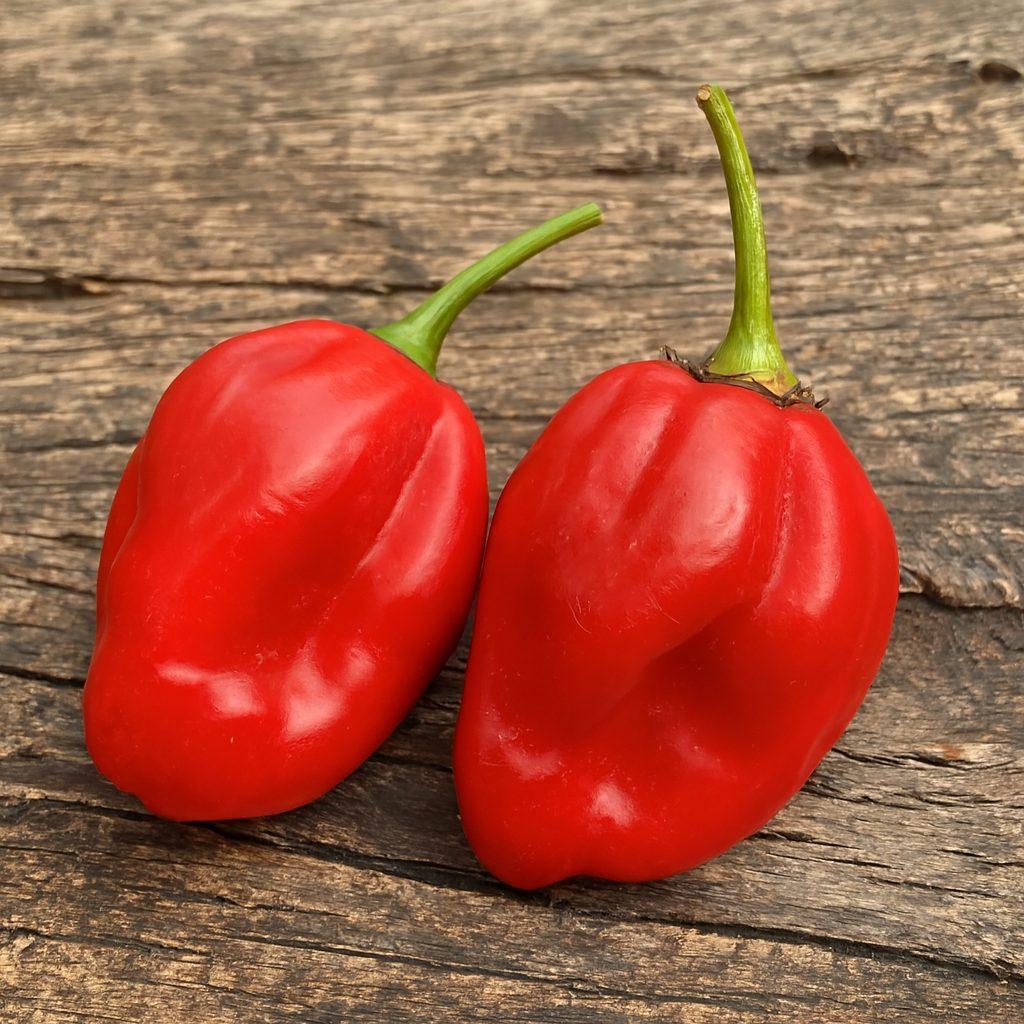
Shape: Lantern-shaped pods with slight wrinkling
Size: 3–5 cm long, 2–3 cm diameter
Color Stages:
- Immature: Green
- Ripe: Deep red
- Overripe: May darken to crimson
Wall Thickness: Medium
Texture & Skin: Glossy and firm with fine wrinkling
Plant Details
Growth Habit: Bushy and upright
Plant Height & Width:
Height: 70–90 cm
Width: 60–80 cm
Foliage: Dark green, smooth leaves
Flower Color: White
Days to Maturity: 100–120 days from transplant
Yield: High – typically 60–100 pods per plant under optimal conditions
Cultivation Information
Seed Count per Pack: 5 or 10 seeds
Germination Time: 10–14 days (Germinating Chilli Seeds)
Optimal Germination Temp: 26–32°C (Essential guide to ideal temperatures and humidity for chilli seed germination)
Light Requirements: Filtered sun
Soil Preferences:
- pH: 6.0–6.8
- Well-draining, fertile soil (Easy DIY soil mixes)
- Benefits from compost and potassium-rich feeding
Storage Tips:
Store West Indies Red Habanero seeds in a cool, dry place. Refrigeration at 4–8°C extends viability. Avoid moisture and direct light.
Notable Compounds
Capsaicinoid Content: High capsaicin and dihydrocapsaicin; heat concentrated in placenta and seeds
Volatile Flavor Compounds: Limonene, citral, and esters contribute to the fruity aroma
Anthocyanins / Pigments: Red coloration driven by capsanthin and capsorubin
Culinary & Cultural Use
Traditional Uses:
- Jamaican jerk seasoning
- Trinidadian pepper sauces
- Caribbean seafood marinades
- Pickled whole or sliced
Raw vs Cooked Flavor: Raw West Indies Red Habanero pods are crisp and fruity with sharp heat. Cooking enhances sweetness and softens bitterness. Fermentation adds depth and complexity.
Regional Dishes:
- Jerk chicken and pork
- Caribbean pepper mash
- Mango-habanero hot sauce
- Escovitch fish with pickled peppers
Storage / Drying / Preserving Tips:
- Ideal for fermentation and sauce-making
- Can be dried whole or sliced
- Powdered form retains color and heat for seasoning blends


Reviews
There are no reviews yet.