
Description
Product Name: Red Savina Habanero Chilli Seeds
Cultivar Name: Red Savina Habanero
Species: Capsicum chinense
Common Names: Dominican Devil’s Tongue, Ball of Fire
Type: Hybrid
Origin & Lineage
Geographic Origin: The Red Savina Habanero chilli was developed in Walnut, California, United States. Though its genetic roots trace back to the Caribbean and Yucatán Peninsula, its commercial lineage was refined in North America. The Red Savina Habanero emerged from a selective breeding program aimed at enhancing the heat, size, and yield of traditional orange habaneros.
Cultural Significance: While not tied to indigenous rituals, the Red Savina Habanero pepper has earned a place in modern culinary folklore. It held the Guinness World Record for the hottest chili pepper from 1994 to 2006, becoming a symbol of extreme heat in the global hot pepper community. Its fiery reputation has made it a staple in competitive eating, artisan hot sauce production, and spicy food festivals. In Caribbean and Latin American cuisine, habanero peppers—Red Savina included—are often used in traditional salsas, jerk marinades, and meat rubs.
Lineage / Hybridizer History: The Red Savina Habanero chilli was bred by Frank Garcia of GNS Spices in the late 1980s. Garcia discovered a red mutant among a field of orange habaneros and began a rigorous selection process. The cultivar was stabilized over multiple generations, eventually earning protection under the U.S. Plant Variety Protection Act (PVP #9200255) until 2011. Though exact parentage remains proprietary, it is widely accepted that the Red Savina Habanero pepper is a hybrid of orange habanero and a Peruvian red variant.
Heat Profile
Scoville Rating (SHU): 350,000–577,000 SHU. While some sources cite the upper limit as 577,000, independent lab tests have averaged around 248,556 SHU, with peak specimens reaching 500,000 SHU.
Perceived Heat: Extremely Hot (500,000 or more SHU)
Heat Characteristics: The heat of the Red Savina Habanero chilli is immediate and aggressive, often described as a sharp, stinging burn that intensifies over 30 seconds. Unlike some superhots that build slowly, the Red Savina Habanero delivers a frontal assault on the palate. Despite its intensity, the burn is relatively short-lived compared to peppers like Bhut Jolokia or Carolina Reaper.
Flavor Profile
Tasting Notes: The Red Savina Habanero pepper offers a complex flavor profile that balances intense heat with fruity undertones. Notes of apricot, citrus, and tropical fruit are often detected before the heat dominates. When used sparingly, it imparts a sweet, aromatic quality that elevates sauces and marinades.
Aftertaste / Finish: The finish is clean but lingering, with residual warmth and a faint tanginess. Some tasters report a smoky nuance when the pepper is roasted or dried.
Ideal Pairings:
- Mango, pineapple, and citrus-based salsas
- Tomato and vinegar-forward hot sauces
- Grilled meats, especially pork and chicken
- Caribbean jerk seasoning blends
- Fermented chili pastes and chutneys
Pod Review: https://www.youtube.com/watch?v=6QPFkuh0GyQ&t=42s
Fruit Characteristics
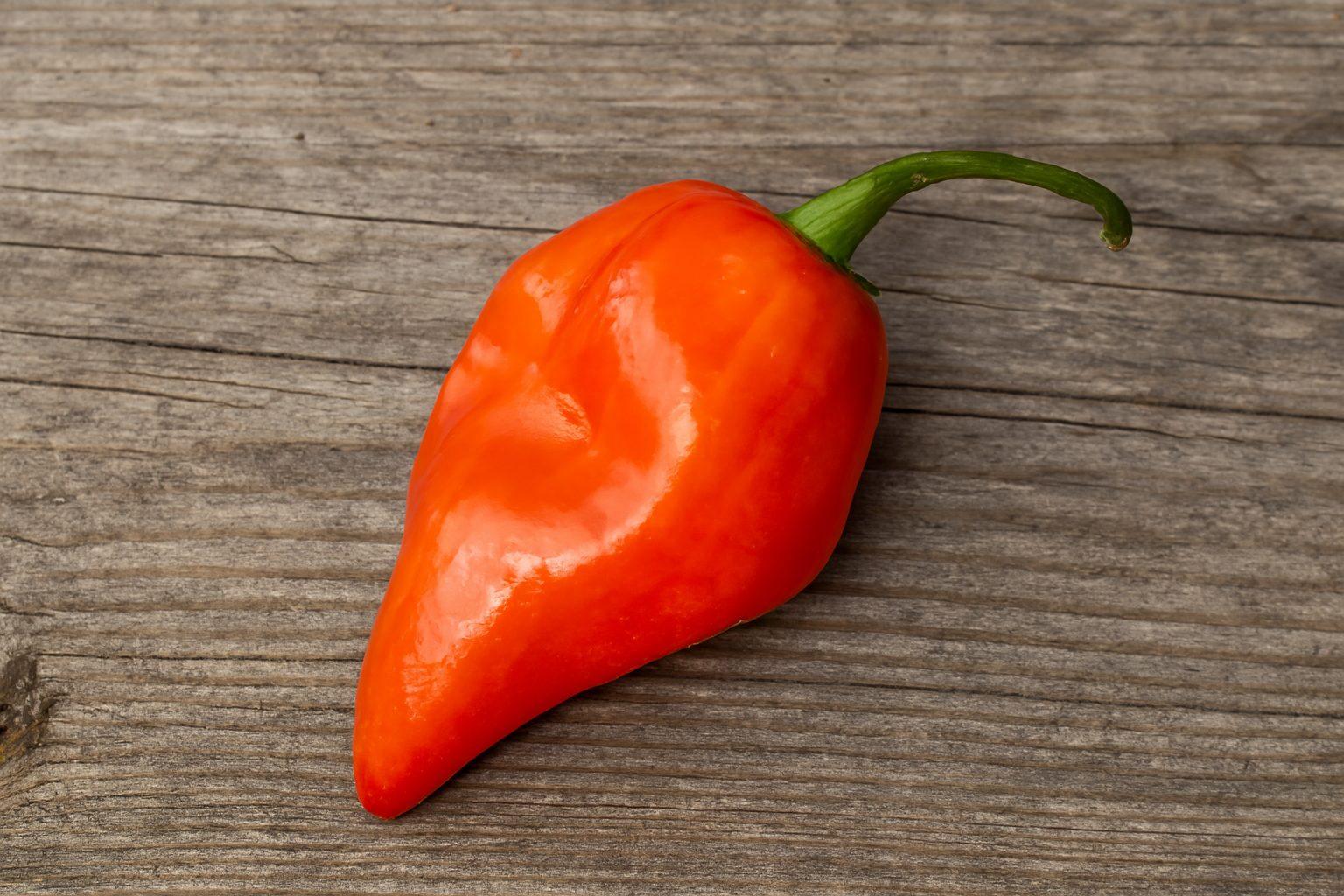
Shape: Pod-like with a bulbous, “Chinese lantern” silhouette
Size: 5–7 cm long, 2–4 cm diameter
Color Stages: Immature: green → Ripe: deep red
Wall Thickness: Medium
Texture & Skin: Wrinkled and slightly glossy, with occasional blistering near the calyx.
Plant Details
Growth Habit: Bushy
Plant Height & Width: Height: 50–80 cm, Width: 50 cm
Foliage: Dark green, slightly pubescent
Flower Color: White
Days to Maturity: 90–150 days from germination to harvest
Yield: Moderate – typically 30–50 pods per plant under optimal conditions.
Cultivation Information
Seed Count per Pack: 5 or 10 seeds (Presoaking Chilli Seeds)
Germination Time: 10–20 days (Germinating Chilli Seeds)
Optimal Germination Temp: 25–30°C (Essential guide to ideal temperatures and humidity for chilli seed germination)
Light Requirements: Filtered sun
Soil Preferences: Well-drained loamy soil with pH: 6.2–7.0, enriched with compost or aged manure (Easy DIY soil mixes)
Storage Tips:
Store Red Savina Habanero chilli seeds in airtight containers in a cool, dry environment. Refrigeration is recommended for long-term viability.
Other Habanero Cultivars: Pumpkin Habanero, Mustard Habanero, Teja Habanero, Red Habanero, Habanero White Bullet, Orange Habanero, Swiss Choc Habanero, West Indies Red Habanero, Habanero Burning Bush, Peach Habanero, Caribbean Red Habanero and Chocolate Habanero
Notable Compounds
Capsaicinoid Content: Dominated by capsaicin and dihydrocapsaicin, which together account for over 90% of the total pungency. These compounds are responsible for the intense heat and are concentrated in the placental tissue and seeds.
Volatile Flavor Compounds:
- Limonene: contributes citrus aroma
- vanillin: subtle sweet undertone
- 6-methyl-(E)-4-heptenyl 3-methylbutanoate: associated with fruity aroma in Capsicum chinense
Anthocyanins / Pigments: No purple pigmentation observed in mature fruit; however, immature pods may exhibit slight anthocyanin expression under stress or high UV exposure.
Culinary & Cultural Use
Traditional Uses:
- Caribbean jerk marinades
- Mexican-style salsas and moles
- Fermented chili pastes
- Meat rubs and spice blends
Raw vs Cooked Flavor: Raw Red Savina Habanero chilli delivers a sharp, fruity heat with a crisp texture. When roasted or grilled, the pepper develops smoky and caramelized notes, mellowing the heat slightly. Pickling enhances its tanginess while preserving its aromatic profile.
Regional Dishes:
- Jamaican Jerk Chicken (with Red Savina Habanero chilli substitution)
- Papa a la Huancaína (Peruvian-style potato salad with habanero cream)
- Nigerian Jollof Rice (spiced with habanero variants)
- Mango Habanero Salsa (used in tacos and grilled meats)
Storage / Drying / Preserving Tips:
- Air-drying or dehydrating at low temperatures preserves flavor and heat
- Fermentation with salt brine enhances complexity and shelf life
- Freezing whole pods retains freshness for up to 12 months
- Pickling in vinegar with garlic and spices creates a versatile condiment


Reviews
There are no reviews yet.