
Description
Uluru Ochre Dwarf Tomato Seeds
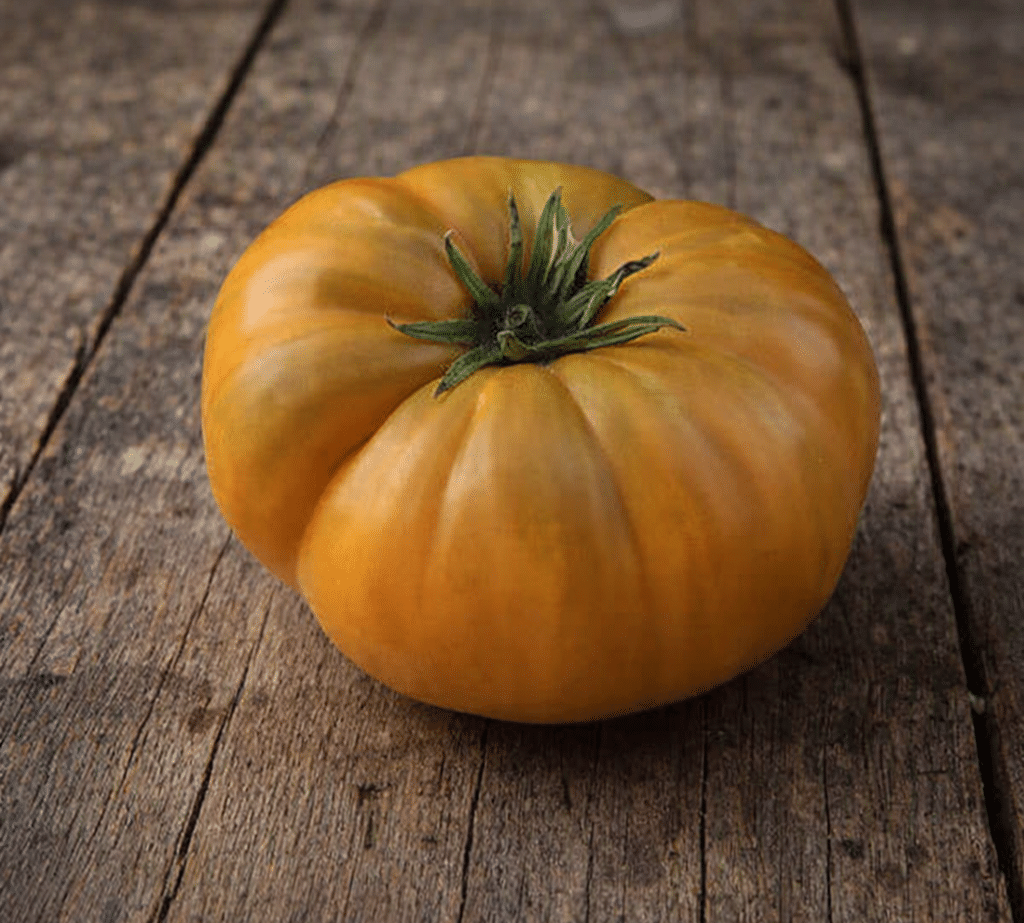
Elevate your home garden harvest with the extraordinary Uluru Ochre dwarf tomato (Solanum lycopersicum ). Widely celebrated by culinary enthusiasts and small-space growers alike, this rare dwarf beefsteak variety delivers massive, complex flavor on a remarkably compact plant. Furthermore, its mesmerizing burnt-orange skin and moody olive-green shoulders make every slice an unforgettable centerpiece on your dining table. Whether you cultivate sprawling backyard raised beds or compact urban patio containers, these premium heirloom-quality seeds will transform your seasonal harvest.
Cultivar Details
The Uluru Ochre dwarf tomato stands out as a premier mid-season slicing cultivar that bridges the gap between compact convenience and full-sized beefsteak productivity. Unlike standard sprawling vines that demand massive trellises, this dwarf indeterminate variety grows to a manageable height of roughly 1 to 1.3 meters (3 to 4 feet). Consequently, heavy yields of oblate, medium-to-large fruits weighing between 170 and 340 grams (6 to 12 ounces) are easily supported in modest spaces. In addition, the cultivar is pledged under the Open Source Seed Initiative , ensuring that gardeners and seed savers can freely save, replant, and share these open-pollinated seeds for generations to come.
Origin and Lineage
The Uluru Ochre dwarf tomato cultivar was born out of the internationally acclaimed Dwarf Tomato Project , a collaborative breeding effort dedicated to developing high-yielding dwarf varieties for space-conscious gardeners. Specifically, the initial cross between Orange Heirloom and Rosella Purple was made by Australian breeder Patrina Nuske Small in 2006. Over the next several years, volunteer growers across both Australia and the United States carefully selected and stabilized the finest lines before releasing the finished variety in 2015. Ultimately, the tomato was named after Uluru, the iconic red-ochre sandstone monolith in central Australia, paying tribute to the fruit’s deeply earthy, outback-inspired coloration.
Flavor and Culinary Profile
When you slice into a vine-ripened Uluru Ochre dwarf tomato, you are immediately greeted by a dazzling interior mosaic of golden amber, burnt orange, and deep olive-green gel. Moreover, its flavor profile is equally captivating. The meaty, dense flesh delivers a rich, sweet upfront punch accompanied by bright, fruity apricot notes. Soon after, a deep, earthy, and slightly smoky musk unfolds on the palate, inherited directly from its dark-fruited Rosella Purple lineage. Because it possesses low acidity alongside intense savory-sweet complexity, chefs and home cooks frequently prize this variety for gourmet fresh eating.
Plant Characteristics
Visually, Uluru Ochre dwarf tomato plants display classic dwarf morphology. Thick, sturdy central stems are clothed in lush, crinkled (rugose) regular foliage that provides natural sunscald protection for developing fruits. Although technically classified as an indeterminate dwarf, the plant grows at roughly half the vertical rate of traditional vining tomatoes. Therefore, lateral branches remain dense and bushy while consistently setting clusters of ribbed, flattened-globe beefsteak fruits from mid-summer until the first autumn frost.
Seed Pack Details
- Botanical Name: Solanum lycopersicum
- Seed Type: Open-pollinated, non-GMO, untreated, stabilized intentional cross
- Growth Habit: Compact indeterminate dwarf (tree-type)
- Seed Count: 10 Seeds
- Germination Rate: Tested at 85% or higher for vigorous spring establishment
Germination and Propagation
To achieve optimal results, start your Uluru Ochre dwarf tomato seeds indoors 6 to 8 weeks prior to your region’s final spring frost date. First, sow the seeds 3 millimeters (1/8 inch) deep in a sterile, well-aerated seed-starting mix. Next, maintain consistent soil warmth between 24°C and 29°C (75°F to 85°F) using a seedling heat mat. Typically, healthy seedlings will emerge within 7 to 14 days. Once true leaves are fully developed, transplant the young seedlings into deeper pots to encourage robust root formation before hardening them off outdoors.
Soil and Water Requirements
Thriving plants require rich, loose, well-draining loamy soil amended generously with aged compost or organic matter. Ideally, soil pH should be maintained between 6.2 and 6.8 to maximize nutrient uptake. Furthermore, deep, consistent watering is essential throughout the growing season. Apply water directly at the base of the plant rather than overhead, and lay down a 5-centimeter layer of organic mulch to lock in soil moisture and prevent blossom end rot.
Light and Climate Requirements
Full sun exposure is non-negotiable for developing maximum sugars and smoky aromatic compounds. Ensure your plants receive at least 6 to 8 hours of direct, unfiltered sunlight daily. Because this cultivar is frost-sensitive, wait until daytime temperatures reliably exceed 18°C (65°F) and nighttime lows stay above 10°C (50°F) before transplanting outdoors.
Crop Calendar and Days to Harvest
As a reliable mid-season producer, Uluru Ochre dwarf tomato typically matures within 65 to 80 days from outdoor transplanting. In warm climates, seeds are started in late winter for early summer harvests, whereas cooler temperate zones benefit from spring sowings that yield abundant fruit from mid-summer through early autumn.
Yield and Harvest Notes
Despite their compact stature, these sturdy dwarf plants produce remarkably heavy yields of 6- to 12-ounce beefsteaks. Consequently, sturdy cages or heavy-duty stakes are strongly recommended to prevent fruit-laden branches from bending or snapping under the weight. Harvest fruits when the skin turns a deep, warm burnt orange while retaining characteristic olive-green shoulders, yielding slightly to gentle palm pressure.
Pests, Diseases and Management
Like all nightshades, Uluru Ochre dwarf tomato should be monitored regularly for common garden pests such as aphids, whiteflies, and tomato hornworms. Proactive management includes encouraging beneficial predatory insects, hand-picking large caterpillars, and applying organic neem oil or insecticidal soap when necessary. Additionally, fungal issues like early blight and septoria leaf spot are effectively minimized by spacing plants 60 centimeters (24 inches) apart, pruning lower leaves for airflow, and practicing a three-year crop rotation.
Companion Planting and Ecological Use
Strategic companion planting dramatically boosts garden resilience. For instance, aromatic herbs like sweet basil, oregano, and cilantro actively repel whiteflies and thrips while enhancing overall garden biodiversity. Similarly, planting French marigolds around the root zone deters soil-dwelling nematodes, while borage attracts native pollinators that boost flower pollination and fruit set.
Culinary, Medicinal and Nutritional Uses
In the kitchen, Uluru Ochre dwarf tomato shines brightest in raw applications where its striking colors and smoky-apricot nuances remain intact—such as gourmet caprese salads, artisanal sandwiches, and fresh bruschetta. Nutritionally, these vibrant fruits are packed with immune-supporting vitamin C, potassium, vitamin K, and dietary fiber. Moreover, the unique blend of orange and dark pigments supplies both beta-carotene and beneficial phytonutrients that support eye health and cellular protection against oxidative stress.
Preservation and Storage
Freshly harvested fruits are best stored stem-side down at room temperature away from direct sunlight, where they will hold peak flavor for 5 to 7 days. Never refrigerate fresh slicing tomatoes, as cold temperatures degrade their delicate volatile aroma compounds and turn the flesh mealy. If you enjoy a bumper harvest, surplus tomatoes can be roasted into smoky pasta sauces, canned as low-acid salsa, or dehydrated into intensely sweet sun-dried tomato slices.
Notable Compounds and Chemistry
The signature “ochre” hue of this cultivar results from a fascinating genetic interplay between carotenoid and chlorophyll pathways. Specifically, high concentrations of beta-carotene and lycopene generate the rich amber-orange flesh, while retained chlorophyll and pheophytin in the skin and seed gel create the signature green shoulders and dark caramel-chocolate undertones. Together with balanced fructose-to-citric-acid ratios, these phytochemicals produce the celebrated smoky, complex sensory profile that makes Uluru Ochre dwarf tomato a true masterpiece of modern heirloom breeding.


Reviews
There are no reviews yet.