
Description
Oxheart Tomato Seeds
Cultivar Details
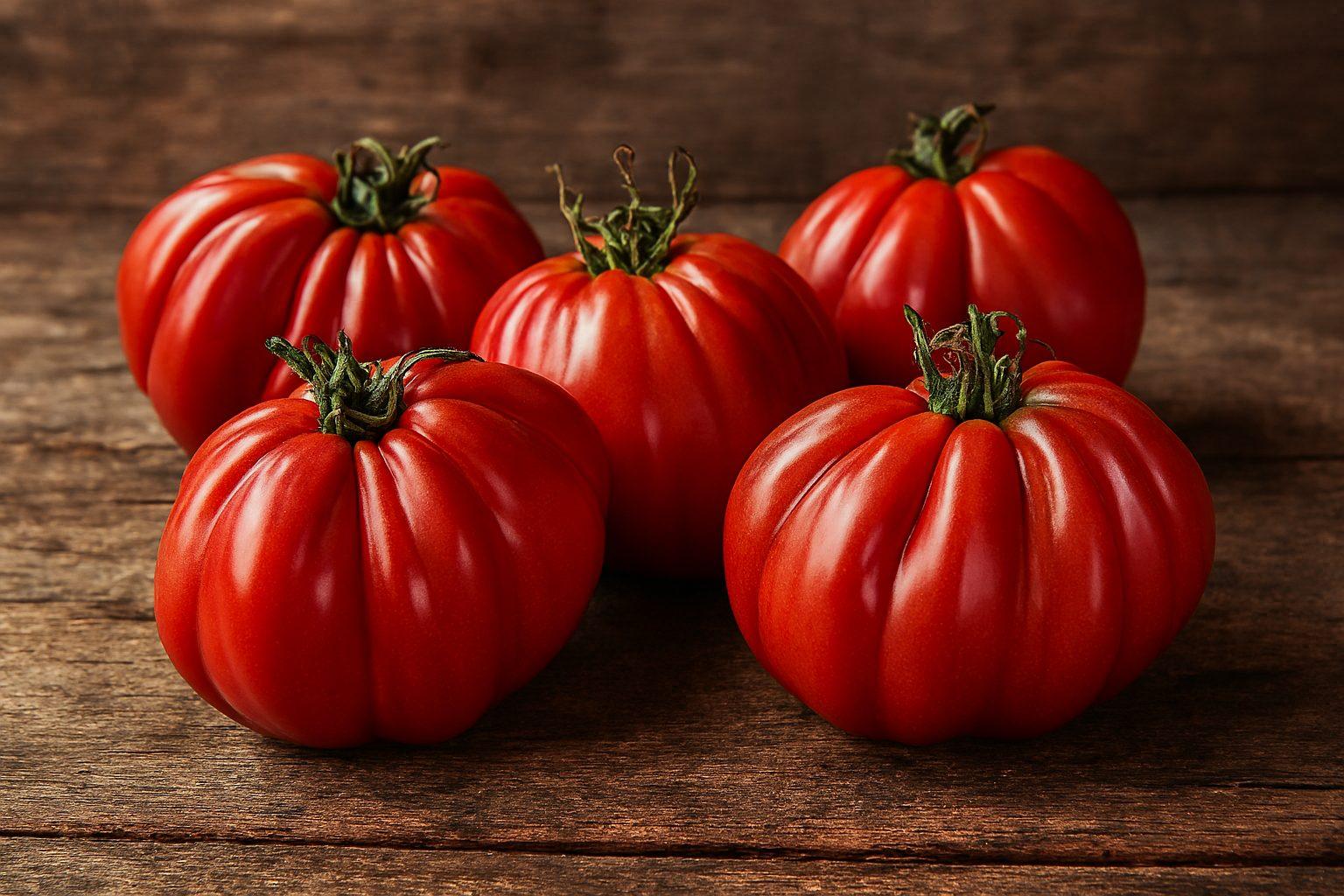
Oxheart Tomato is a cherished heirloom cultivar known for its distinctive heart-shaped fruits, meaty texture, and rich, old-fashioned flavor. This indeterminate variety produces large, fleshy tomatoes that are ideal for slicing, saucing, and slow roasting. With its generous yields and robust growth habit, Oxheart Tomato remains a favorite among home gardeners, heritage growers, and culinary enthusiasts seeking a tomato that delivers both visual appeal and exceptional taste. Whether grown in raised beds, greenhouse tunnels, or open field rows, Oxheart consistently rewards growers with impressive fruit size and flavor depth.
Origin and Lineage
Oxheart Tomato traces its lineage to early 20th-century European and American heirloom selections, particularly those cultivated in Italy and the Balkans. The cultivar was stabilized through open-pollinated selection to emphasize its signature shape, dense flesh, and low seed count. Over time, Oxheart gained popularity across continents for its adaptability, disease resilience, and culinary versatility. Today, it remains a staple in heirloom seed collections and is widely grown by gardeners who value traditional tomato genetics and flavor integrity.
Flavor and Culinary Profile
Oxheart tomatoes offer a deep, savory flavor with balanced acidity and subtle sweetness. The flesh is dense and velvety, with minimal gel and few seeds, making it ideal for slicing, stuffing, and slow cooking. When eaten fresh, the flavor is bold and satisfying—perfect for sandwiches, caprese salads, and bruschetta. Cooked, Oxheart Tomato develops a rich umami profile that enhances sauces, stews, and roasted dishes. Its low moisture content and high solids make it particularly well-suited for thick, concentrated tomato sauces and pastes. Because of its culinary versatility, Oxheart is prized by chefs and home cooks alike.
Plant Characteristics
This indeterminate Oxheart Tomato produces vigorous vines that can reach 1.8–2.5 meters in height when supported. Plants require staking or caging to manage their sprawling habit and heavy fruit load. Foliage is medium to dense, offering good protection against sunscald. Fruits are large—often weighing 250–500 grams—and exhibit a tapered, heart-like shape with smooth shoulders and a pointed blossom end. Oxheart sets fruit steadily over the season, with clusters of 2–4 fruits per truss. The plant demonstrates moderate resistance to cracking and blossom end rot when grown under consistent moisture and nutrition.
Seed Pack Details
- Contents: 10 untreated, open-pollinated seeds
- Germination rate: ≥85% under optimal conditions
- Storage: Store in a cool, dry place; viable for up to 4 years
Germination and Propagation
Start Oxheart Tomato seeds indoors 6–8 weeks before the last frost date. Sow 6 mm deep in seed trays or modules filled with well-draining seed-starting mix. Maintain soil temperatures between 20–25°C for optimal germination, which typically occurs within 6–10 days. Transplant seedlings when they have 2–3 sets of true leaves and night temperatures remain above 10°C. Space plants 60–75 cm apart in rows 90–100 cm wide. Harden off seedlings before transplanting to reduce shock and encourage strong root development. Prune lower leaves and suckers as needed to improve airflow and fruit quality.
Soil and Water Requirements
Oxheart Tomato thrives in fertile, well-drained loam with a pH between 6.0 and 6.8. Prior to planting, amend soil with compost or aged manure to support vigorous vegetative growth and fruit development. Tomatoes are heavy feeders; side-dress with balanced fertilizer or compost tea during flowering and fruiting stages. Consistent watering is essential—provide 25–35 mm of water per week, preferably through drip irrigation to minimize foliar disease. Avoid waterlogging and irregular watering, which can lead to blossom end rot and fruit cracking.
Light and Climate Requirements
Oxheart Tomato requires full sun for optimal growth and fruit development. Provide at least 6–8 hours of direct sunlight daily. Oxheart performs best in moderate climates with daytime temperatures between 20–28°C. While it tolerates warmer conditions, extreme heat may reduce fruit set. In cooler regions, season extension techniques such as cloches, tunnels, or greenhouse cultivation can improve early yields. Good air circulation and spacing help reduce humidity-related diseases and promote healthy growth.
Crop Calendar and Days to Harvest
- Sowing (indoors): 6–8 weeks before last frost
- Germination: 6–10 days under optimal conditions
- Transplanting: After last frost and hardening off
- First harvest: 80–100 days from sowing
- Harvest window: Extended, with continuous fruiting over 6–10 weeks
Yield and Harvest Notes
Under optimal conditions, Oxheart Tomato can yield 4–6 kg per plant. Fruits ripen steadily, allowing for regular harvesting over several weeks. Pick tomatoes when fully colored and slightly soft to the touch. For market presentation, harvest with a short stem attached to reduce bruising. Handle fruits gently to preserve shelf life and visual appeal. Regular harvesting encourages continued fruit set and reduces the risk of overripe fruit attracting pests. For seed saving, select fully ripe fruits from healthy plants and ferment seeds briefly before drying and storing.
Pests, Diseases and Management
Common pests include aphids, whiteflies, tomato hornworms, and spider mites. These can be managed through integrated pest management (IPM) strategies such as neem oil sprays, beneficial insect release, and crop monitoring. Fungal diseases like early blight, septoria leaf spot, and powdery mildew can be mitigated through crop rotation, proper spacing, and avoiding overhead irrigation. Oxheart exhibits moderate resistance to common tomato diseases but benefits from proactive care and clean cultivation practices.
Companion Planting and Ecological Use
Oxheart tomatoes pair well with basil, marigold, borage, and nasturtium, which help deter pests and attract pollinators. Interplanting with carrots, onions, and lettuce can optimize space and improve soil health. Avoid planting near potatoes or fennel, which may compete for nutrients or attract similar pests. In ecological gardens, tomatoes contribute to biodiversity and serve as a productive anchor crop in mixed beds.
Culinary, Medicinal and Nutritional Uses
Rich in vitamin C, potassium, lycopene, and beta-carotene, Oxheart tomatoes support immune function, cardiovascular health, and antioxidant activity. Their dense flesh and low seed count make them ideal for sauces, soups, and slow-roasted dishes. While not medicinal in the formal sense, tomatoes have long been used in traditional diets to support digestion and hydration. Their nutrient density and culinary versatility make them a valuable addition to vegetarian, Mediterranean, and low-carb meal plans.
Preservation and Storage
Fresh tomatoes can be stored at room temperature for up to 5 days or refrigerated for longer shelf life, though chilling may reduce flavor. For preservation, Oxheart tomatoes can be canned, dehydrated, or frozen after blanching. They are suitable for sauces, pastes, and chutneys due to their low moisture and high solids. When saving seeds, select fully ripe fruits, ferment seeds briefly to remove gel, rinse, dry thoroughly, and store in airtight containers for future planting.
Notable Compounds and Chemistry
Oxheart tomatoes contain lycopene, chlorogenic acid, and flavonoids—compounds known for their antioxidant and anti-inflammatory properties. Lycopene concentration increases with ripeness and sun exposure, contributing to the fruit’s deep red color and health benefits. During cooking, Maillard reactions enhance sweetness and reduce acidity, especially when roasting or slow-simmering. The cultivar’s dense cellular structure and low water content contribute to its meaty texture and rich flavor, making it a standout in both fresh and preserved applications.


Reviews
There are no reviews yet.