
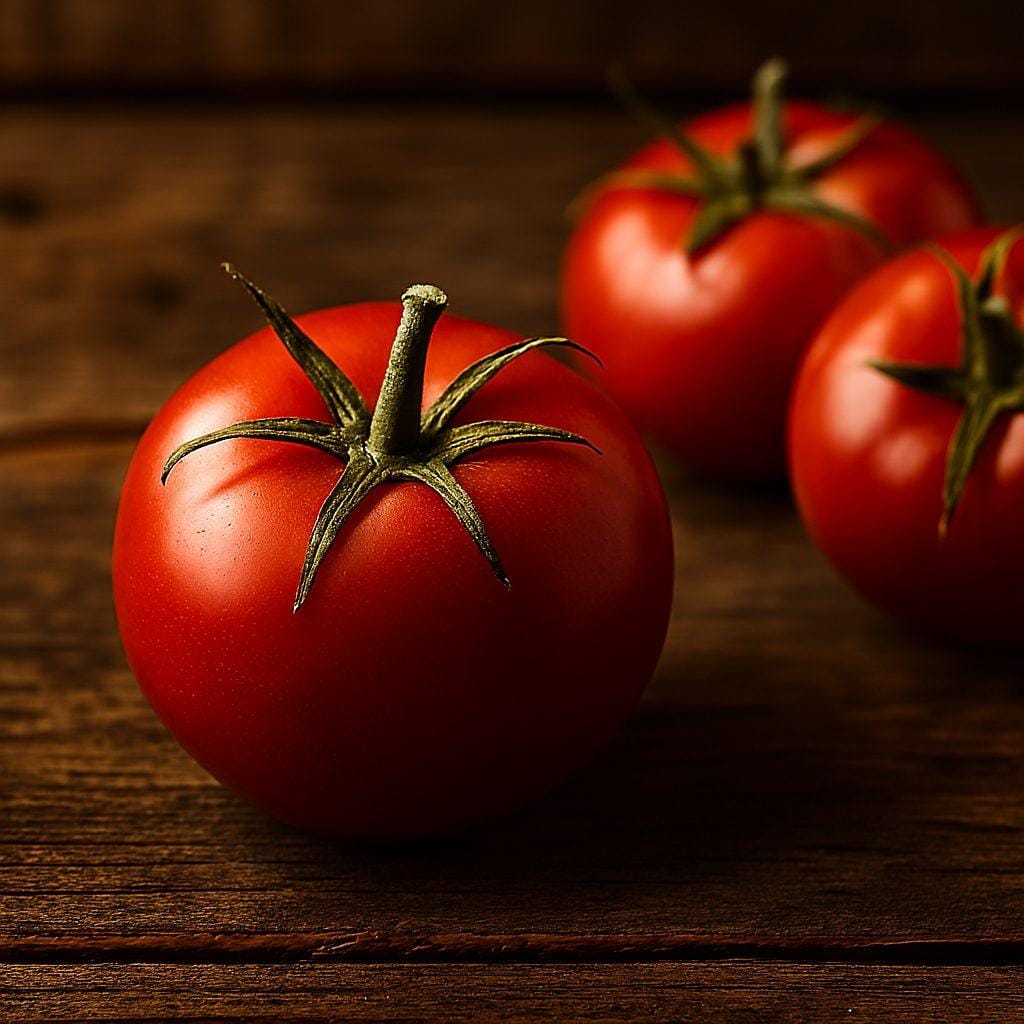
Description
Heinz 1370 Tomato Seeds
Cultivar Details
Heinz 1370 Tomato is a determinate, early-to-mid-season slicing tomato cultivar prized for consistent set, classic tomato flavor, and excellent structural integrity for slicing and processing. It produces smooth, uniformly shaped fruits that are well-suited to home gardens, market stalls, and small-scale processing. Because Heinz 1370 was selected for balance between yield and eating quality, it performs reliably across a range of soil types and management systems. Moreover, its fruits hold well on the vine and ship with less damage compared with many delicate slicers.
Origin and Lineage
Heinz 1370 Tomato originates from commercial breeding programs aimed at delivering dependable slicing tomatoes with good post-harvest characteristics. Its lineage includes stable open-pollinated lines and selections derived from classic slicer germplasm; over time the variety was selected for even ripening, disease tolerance, and a balanced sugar-acid ratio. While it is often grown by growers who value traditional flavor and reliability, Heinz 1370 Tomato retains sufficient robustness to be used in small-scale canning and artisan processing as well.
Flavor and Culinary Profile
Fruits develop a traditional tomato aroma with bright acidity and rounded sweetness, producing a mouthwatering balance that is ideal for fresh slicing, sandwiches, salads, and home canning. Texturally, the flesh is firm yet juicy with few seeds and a pleasing meatiness that holds together when cut. Consequently, Heinz 1370 Tomato is favored by cooks who require uniform slices that won’t collapse under light pressure. Additionally, when roasted or gently stewed, its flavor concentrates into a richer, savory profile that works well in sauces and preserves.
Plant Characteristics
Heinz 1370 Tomato plants are determinate and compact, reaching 80–120 cm in height with a bushy habit that limits vine run while encouraging synchronous fruiting. Typical clusters contain 4–6 medium-large fruits each, averaging 120–180 g per fruit depending on climate and fertility. Foliage is medium-dense, and the plant exhibits good leaf health under proper watering and nutrition. Because of its determinate habit, Heinz 1370 Tomato sets a solid crop that ripens over a concentrated window, making harvesting efficient for market growers and home gardeners alike.
Seed Pack Details
- Contents: 10 untreated, open-pollinated seeds
- Germination rate: ≥85% under optimal conditions
- Storage: Store in a cool, dry place; viability maintained for up to 4 years
Germination and Propagation
Heinz 1370 Tomato Seeds germinate reliably when soil temperatures are maintained at 20–25°C, typically within 6–10 days. For an early start, sow indoors 6–8 weeks before the last frost and transplant seedlings after hardening off when night temperatures exceed 10°C. Sow seeds 6 mm deep in trays or modules and transplant at the 3–4 true leaf stage. Although Heinz 1370 is determinate and manageable as a single-stem or lightly supported bush, staking or short cages will improve air circulation and reduce fruit contact with soil. Seedlings should be monitored for uniformity and only the healthiest should be selected for field or bed planting.
Soil and Water Requirements
Heinz 1370 Tomato thrives in fertile, well-drained loam with a pH of 6.0–6.8. Before planting, amend with compost or well-rotted manure to ensure steady nutrient release through fruit set. Tomatoes are heavy feeders; therefore, a balanced fertility program with potassium and phosphorus emphasis during fruiting is recommended. Consistent moisture is critical—irregular watering increases blossom end rot and cracking—so apply 20–30 mm of water per week during active growth, preferably via drip irrigation to keep foliage dry and reduce disease pressure.
Light and Climate Requirements
Full sun is required for optimum fruit set and sugar accumulation; Heinz 1370 needs at least 6–8 hours of direct sunlight daily. Ideal daytime temperatures range from 20–28°C, and while plants tolerate warmer days, sustained heat above 32°C during flowering can reduce fruit set. Because the cultivar is determinate and somewhat compact, it performs well in Mediterranean, temperate, and protected subtropical climates. In cooler areas, season extension using cloches or tunnels will accelerate maturity and improve early yields.
Crop Calendar and Days to Harvest
- Sowing (indoors): 6–8 weeks before last frost in temperate zones.
- Germination: 6–10 days under recommended temperatures.
- Transplanting: After risk of frost has passed and seedlings have been hardened off.
- First harvest: 65–85 days from transplant depending on climate and management.
- Harvest window: Concentrated 2–3 week picking period due to determinate habit; successive plantings can extend fresh supply.
Yield and Harvest Notes
Under sound cultural practices, Heinz 1370 Tomato yields a reliable crop of evenly ripened fruits. Expect 4–6 kg per plant in well-fertilised home garden conditions, and higher per-area yields in market blocks managed for fertility and irrigation. Harvest when fruits are fully coloured and give slightly to touch; for processing, pick at the peak of ripeness to maximize soluble solids. Because fruits are firm, they tolerate short-term storage and transport, but sugars decline after harvest so rapid cooling or immediate processing preserves the best flavour.
Pests, Diseases and Management
Common pests include aphids, whiteflies, and tomato hornworms; integrated pest management (IPM) strategies such as monitoring, beneficial insect release, and targeted organic controls are effective. Diseases that affect tomatoes—early blight, late blight, and fusarium wilt—can be reduced through crop rotation, certified seed, soil solarization, and maintaining balanced irrigation practices. Heinz 1370 displays moderate tolerance to common foliar stresses when grown in well-drained soils and kept ventilated; nevertheless, vigilance during wet seasons is advised.
Companion Planting and Ecological Use
Heinz 1370 Tomato pairs well with basil, marigold, and borage, which can attract pollinators and beneficial predators while deterring pests. Interplanting with legumes improves soil nitrogen dynamics, and mulches help conserve moisture and suppress weeds. Because of its compact habit, this cultivar fits well into mixed raised beds and polyculture systems that prioritize space efficiency and ecological resilience.
Culinary, Medicinal and Nutritional Uses
Tomatoes are rich in vitamin C, potassium, folate, and lycopene, an antioxidant associated with cardiovascular benefits. Heinz 1370 slices are excellent fresh on sandwiches, in salads, and on platters; moreover, their balance of acid and sugar makes them suitable for canning, sauces, and slow-cooked dishes. While not a medicinal panacea, the nutrient profile supports general wellness when included as part of a varied diet.
Preservation and Storage
For fresh use, store ripe fruits at 12–15°C and consume within 5–7 days for best texture and flavour. For longer-term preservation, tomatoes can be processed into sauces, canned, or frozen after blanching; these methods lock in flavour and reduce post-harvest waste. When saving seed, collect from fully ripe, healthy fruits, ferment briefly to remove gel, dry thoroughly, and store in cool airtight containers to preserve germination.
Notable Compounds and Chemistry
Heinz 1370 Tomato fruits contain lycopene, beta-carotene, vitamin C, and organic acids that together produce the cultivar’s familiar bright flavour and antioxidant profile. Soluble solids are moderate to high when matured under full sun and consistent watering, contributing to good flavour for both fresh eating and processing. Environmental management that balances sun, water, and fertility will maximise sugar-acid balance and nutritional value.


Reviews
There are no reviews yet.