
Description
Pepperoncini
Product Name: Pepperoncini
Pepperoncini is a mild, tangy cultivar of Capsicum annuum that has become a staple in Mediterranean cuisine and global kitchens alike. Known for its crisp texture and approachable heat, this heirloom variety is prized for its versatility, ornamental appeal, and cultural heritage. Whether pickled, sautéed, or served fresh, Pepperoncini peppers offer a distinctive flavor profile that enhances a wide range of dishes without overpowering them. Their popularity continues to grow among home gardeners and chefs due to their ease of cultivation and consistent yield.
Cultivar Name: Pepperoncini
Species: Capsicum annuum
Common Names: Tuscan Pepper, Golden Greek Pepper, Sweet Italian Pepper, Friggitello
Type: Heirloom
Origin & Lineage
Geographic Origin:
Pepperoncini peppers originate from the Mediterranean basin, specifically Italy and Greece. The Italian variety, often referred to as Friggitello, is slightly more bitter and elongated, while the Greek type—commonly known as Golden Greek Pepperoncini—is shorter, rounder, and sweeter. These cultivars have been cultivated for centuries in sun-drenched fields across southern Europe, thriving in the mineral-rich soils and temperate climate of the region.
Cultural Significance:
In Mediterranean societies, Pepperoncini peppers symbolize hospitality and abundance. In Greece, they are traditionally served as part of mezze platters, often pickled and offered to guests as a sign of welcome. Italian cuisine incorporates them into antipasti, pasta sauces, and rustic sautéed dishes. Folklore in rural villages associates the pepper with protection against the evil eye, and garlands of dried Pepperoncini are sometimes hung during harvest festivals to celebrate fertility and prosperity.
Lineage / Hybridizer History:
Pepperoncini is an open-pollinated heirloom variety with no known modern hybridization. Its lineage traces back to early domesticated Capsicum annuum cultivars introduced to Europe from the Americas in the 15th century. Over generations, farmers in Italy and Greece selectively bred the plant for its mild heat, thin walls, and pickling suitability. The cultivar has remained largely unchanged, preserving its traditional characteristics and culinary role.
Heat Profile
Scoville Rating (SHU): 100–500 SHU
Perceived Heat: Mild (50 to 1000 SHU)
Heat Characteristics:
Pepperoncini delivers a gentle warmth that is more of a background note than a dominant sensation. The heat is concentrated in the placental tissue and is easily reduced by removing the inner membranes. When pickled, the heat becomes even more subdued, allowing the tangy brine to take center stage. This makes Pepperoncini ideal for those seeking flavor without intensity.
Flavor Profile
Tasting Notes:
Fresh Pepperoncini peppers offer a crisp bite with a bright, tangy flavor reminiscent of green apple and citrus zest. There is a subtle sweetness that balances the acidity, especially in the Greek variety. When roasted or sautéed, the flavor deepens into a mellow, slightly smoky profile with hints of caramelized sugar.
Aftertaste / Finish:
The finish is clean and slightly vegetal, with a lingering tang that complements fatty or salty foods. Pickled Pepperoncini leaves a briny aftertaste that enhances savory dishes without overwhelming them.
Ideal Pairings:
- Greek salads with feta and olives
- Italian subs and hoagies
- Roasted meats and poultry
- Creamy dips and spreads
- Pickled vegetable platters and antipasti
Fruit Characteristics
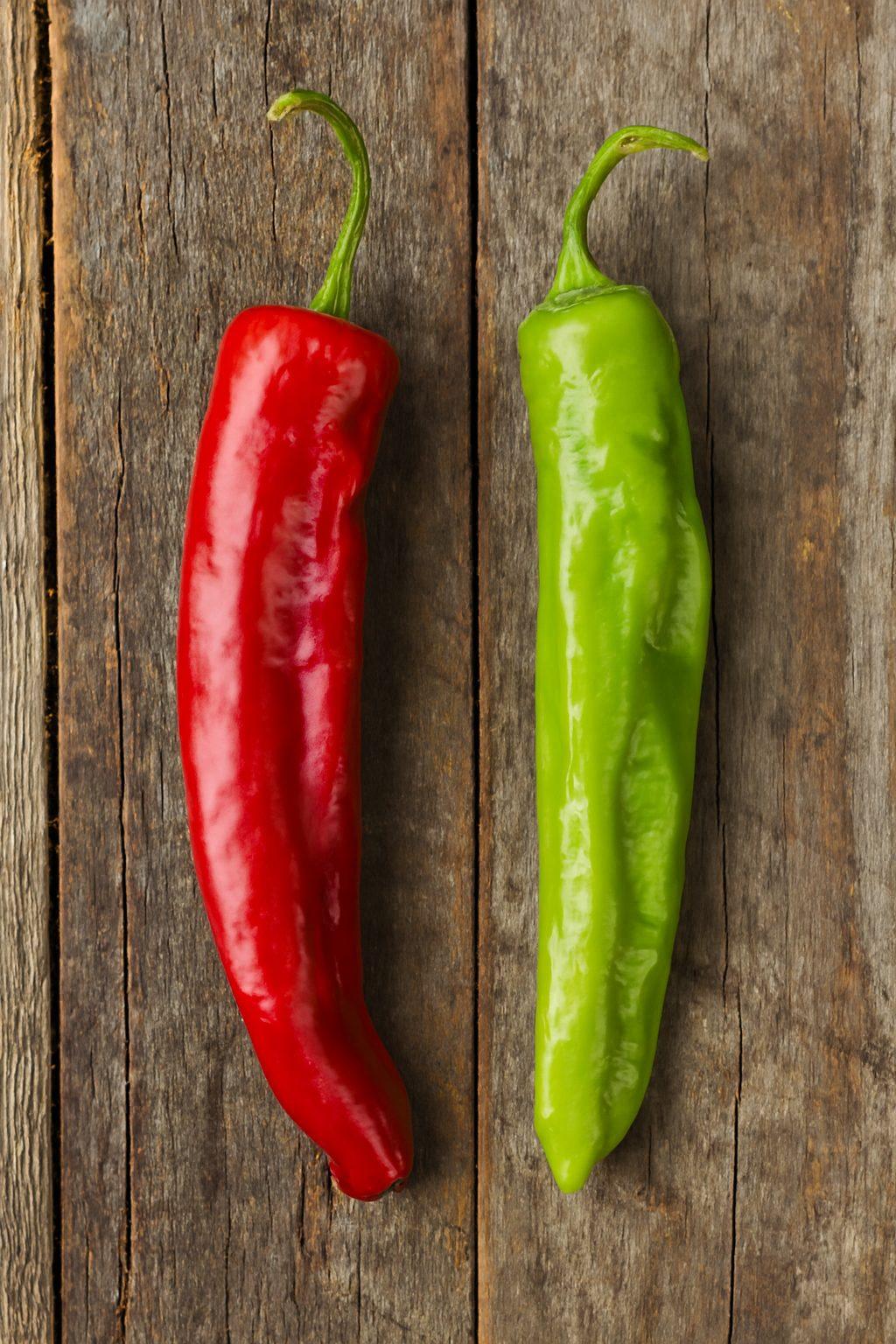
Shape: Elongated and slightly curved, tapering to a rounded tip
Size: 5–10 cm long, 1.5–2 cm diameter
Color Stages:
- Immature: green
- Ripe: yellowish-green → red
Wall Thickness: Thin
Texture & Skin: Wrinkled and slightly glossy; skin may blister when roasted
Plant Details
Growth Habit: Bushy
Plant Height & Width: 60–90 cm tall, 45–60 cm wide
Foliage: Medium green, non-pubescent
Flower Color: White
Days to Maturity: 70–80 days from germination
Yield: High – typically 60–100 pods per plant under optimal conditions
Cultivation Information
Seed Count per Pack: 5 or 10 seeds (Presoaking Chilli Seeds)
Germination Time: 7–14 days (Germinating Chilli Seeds)
Optimal Germination Temp: 25–30°C (Essential guide to ideal temperatures and humidity for chilli seed germination)
Light Requirements: Filtered sun
Soil Preferences:
- pH: 6.1–7.0
- Well-drained loamy or sandy soil
- High organic matter content (Easy DIY soil mixes)
Storage Tips:
Store seeds in airtight containers in a cool, dry place. For extended viability, refrigeration at 4–8°C is recommended. Avoid exposure to humidity and direct sunlight.
Notable Compounds
Capsaicinoid Content:
- Capsaicin (low concentration)
- Dihydrocapsaicin (trace levels)
Volatile Flavor Compounds:
- Limonene (citrus aroma)
- Ethyl acetate (fruity note)
- Acetic acid (from pickling)
Anthocyanins / Pigments:
While Pepperoncini does not typically exhibit purple pigmentation, some stress-induced anthocyanin expression may occur in cooler climates or under nutrient deficiency.
Culinary & Cultural Use
Traditional Uses:
- Pickled whole or sliced for antipasti
- Added to Greek salads and gyros
- Incorporated into Italian pasta sauces
- Used in marinades and brines for meats
Raw vs Cooked Flavor:
Raw Pepperoncini is crisp and tangy, ideal for fresh salads and sandwiches. Cooking softens the texture and enhances sweetness, especially when roasted or grilled. Pickling intensifies the tang and adds a vinegar-forward profile.
Regional Dishes:
- Greek Salad (Horiatiki)
- Italian Submarine Sandwiches
- Chicken Scarpariello (Italian-American dish with pickled Pepperoncini)
- Antipasto Platters with cured meats and cheeses
Storage / Drying / Preserving Tips:
- Pickling: Submerge fresh pods in a vinegar brine with garlic and spices; store in sterilized jars
- Drying: Air-dry whole pods in a shaded, ventilated area or use a dehydrator at 45–50°C
- Freezing: Wash, slice, and freeze in airtight containers for up to 6 months
- Fermentation: Use a 2% salt brine and ferment for 2–3 weeks before refrigeration


Reviews
There are no reviews yet.