
Description
Product Name: Serrano Chile Seeds
Cultivar Name: Serrano
Species: Capsicum annuum
Common Names: Serrano, Mexican Serrano
Type: Heirloom
Origin & Lineage
Geographic Origin: The Serrano pepper (Capsicum annuum) is native to the mountainous sierras of Puebla and Hidalgo, two central Mexican states known for their rugged terrain and rich agricultural traditions. The name “Serrano” derives from the Spanish word sierra, meaning “mountain,” a direct reference to the pepper’s high-altitude origins. These regions offer ideal growing conditions—warm days, cool nights, and well-drained volcanic soils—which contribute to the pepper’s crisp texture and concentrated flavor.
Historical records suggest that Serrano peppers have been cultivated in these areas for hundreds, if not thousands of years, with indigenous communities selecting for traits like thin skin, bright flavor, and moderate heat. Today, Mexico remains the largest producer of Serrano peppers, with over 35,000 acres dedicated to their cultivation, particularly in Veracruz, Sinaloa, Nayarit, and Tamaulipas.
Unlike many commercial varieties, Serranos are still widely grown by smallholder farmers, often using traditional methods passed down through generations. Their adaptability to highland climates and short growing seasons makes them a resilient and regionally significant crop.
Cultural Significance: Serrano peppers are deeply embedded in Mexican culinary identity, second only to jalapeños in terms of usage. Their bright, biting flavor and crisp texture make them ideal for raw applications, where heat and freshness are key. They’re a staple in:
- Salsas—especially salsa verde and salsa cruda, where their raw crunch adds vibrancy
- Pico de gallo—where they’re diced fresh alongside tomato, onion, and cilantro
- Escabeche-style pickles—often paired with carrots and onions for tangy, spicy condiments
- Guacamole and ceviche—adding heat without overpowering delicate flavors
Serranos are also used in regional dishes like tamales, pozole, and enchiladas, and are increasingly featured in Tex-Mex and fusion cuisines worldwide. Their popularity stems not only from their flavor but also from their versatility—they can be used green or ripe, fresh or dried, roasted or fermented.
Beyond the kitchen, Serrano peppers carry cultural weight as a symbol of Mexican resilience and flavor-forward cooking. They’re often grown in home gardens, featured in local markets, and celebrated in culinary festivals across the country.
Lineage / Hybridizer History: The Serrano is a naturally selected heirloom, not a commercial hybrid. It belongs to the species Capsicum annuum, which includes a wide range of peppers from bell peppers to cayennes. Over centuries, local farmers in Puebla and Hidalgo refined the Serrano through open pollination, selecting for:
- Thin, fleshy walls ideal for raw use
- Slender, tapered shape (typically 1–4 inches long)
- Heat levels ranging from 10,000 to 25,000 Scoville Heat Units (SHU)
- Crisp texture and bright flavor, often described as grassy or citrusy
There is no single credited breeder; instead, the Serrano’s development is a communal legacy, shaped by indigenous and mestizo agricultural practices. Spanish explorers first documented the pepper in the 16th century, and it has remained a staple in Mexican agriculture ever since.
Modern commercial strains have been developed for disease resistance and yield, but the core traits of the traditional Serrano remain intact. It is one of the few peppers that has retained its heirloom status while achieving global culinary relevance.
Heat Profile
Scoville Rating (SHU): 10,000–25,000 SHU
Perceived Heat: Medium
Heat Characteristics: Clean and sharp. The burn is immediate and focused on the tongue, with a grassy brightness that enhances rather than overwhelms. It’s hotter than jalapeño but milder than cayenne.
Flavor Profile
Tasting Notes: Bright, grassy, and slightly citrusy. The flavor is crisp and vegetal when raw, and smoky-sweet when roasted.
Aftertaste / Finish: Clean and refreshing with a short, tangy finish.
Ideal Pairings:
- Fresh salsas and pico de gallo
- Pickled with carrots and onions
- Roasted into enchilada sauces
- Blended into green chilli marinades
- Sliced raw into tacos and tortas
Fruit Characteristics
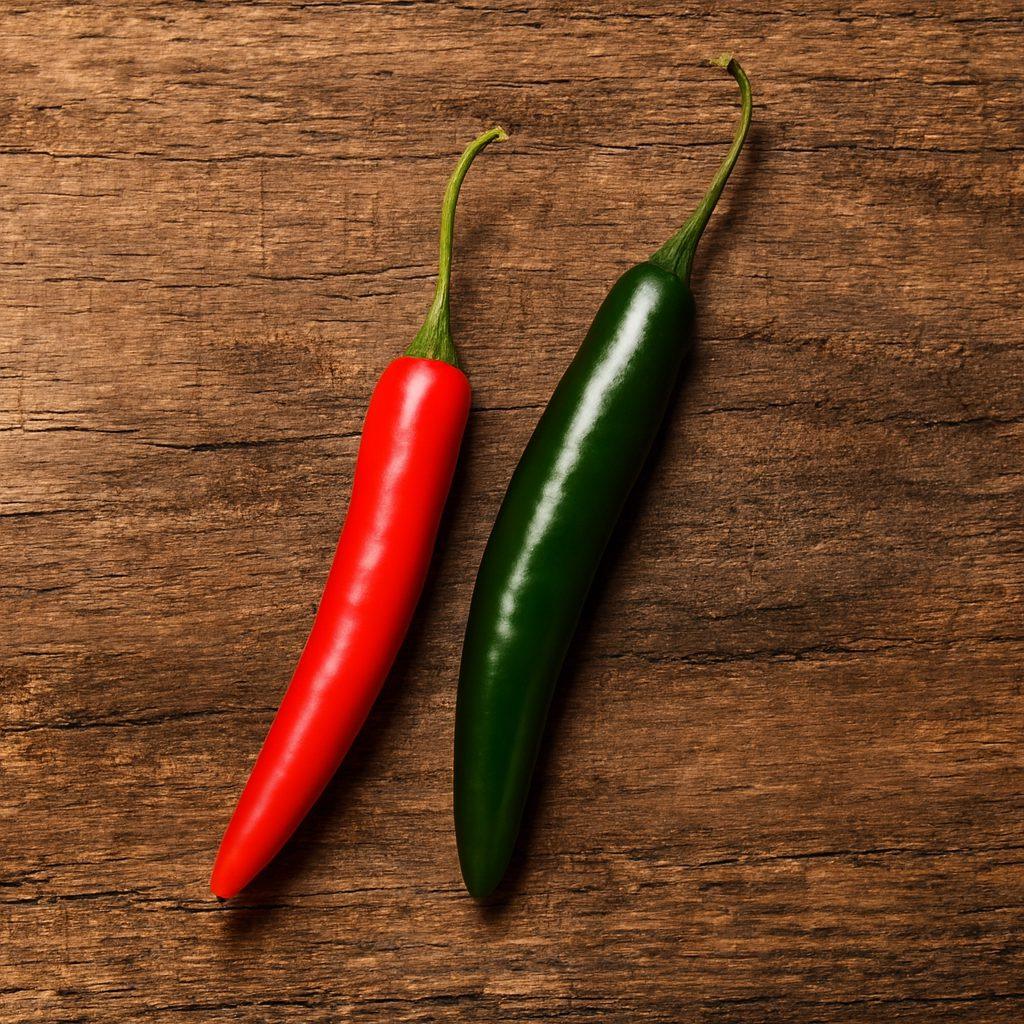
Shape: Slender, cylindrical pods with a blunt tip
Size: 5–10 cm long, 1–1.5 cm diameter
Color Stages:
- Immature: Bright green
- Ripe: Red, orange, yellow, or brown depending on strain
Wall Thickness: Thin to medium
Texture & Skin: Smooth and glossy; firm and crisp when fresh
Plant Details
Growth Habit: Bushy and upright
Plant Height & Width:
Height: 60–100 cm
Width: 50–70 cm
Foliage: Bright green, smooth leaves
Flower Color: White
Days to Maturity: 75–90 days from transplant
Yield: High – typically 50–80 pods per plant under optimal conditions
Cultivation Information
Seed Count per Pack: 10 seeds
Germination Time: 7–14 days (Germinating Chilli Seeds)
Optimal Germination Temp: 24–30°C (Essential guide to ideal temperatures and humidity for chilli seed germination)
Light Requirements: Filtered sun
Soil Preferences:
- pH: 6.0–7.0
- Well-draining, fertile soil (Easy DIY soil mixes)
- Benefits from compost and moderate feeding
Storage Tips: Store Serrano Pepper seeds in a cool, dry place. Refrigeration at 4–8°C extends viability. Avoid moisture and direct light.
Notable Compounds
Capsaicinoid Content: Moderate capsaicin and dihydrocapsaicin; heat concentrated in placenta and seeds
Volatile Flavor Compounds: Limonene, hexanal, and pyrazines contribute to the grassy aroma
Anthocyanins / Pigments: Color variation driven by carotenoids and anthocyanins depending on ripeness
Culinary & Cultural Use
Traditional Uses:
- Mexican salsas and escabeche pickles
- Raw garnish for tacos and tostadas
- Roasted into sauces and stews
- Pickled whole or sliced
Raw vs Cooked Flavor: Raw pods are crisp and grassy with sharp heat. Cooking softens the texture and deepens the flavor. Pickling preserves crunch and adds tang.
Regional Dishes:
- Pico de gallo
- Salsa verde
- Escabeche pickled vegetables
- Chiles toreados (pan-roasted serranos)
Storage / Drying / Preserving Tips:
- Excellent for pickling and freezing
- Can be dried whole or sliced
- Powdered form retains brightness and heat for seasoning blends



Reviews
There are no reviews yet.