
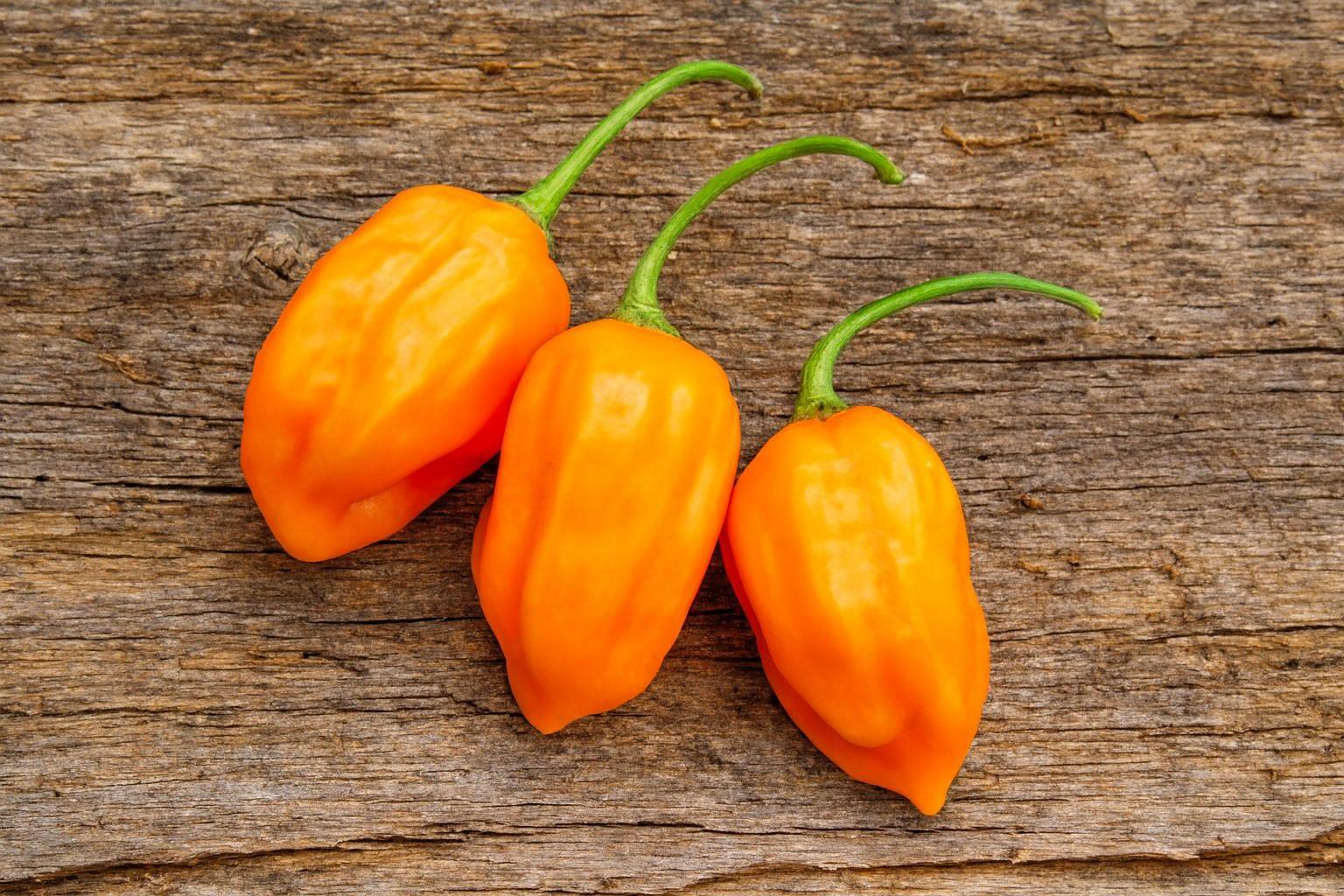
Description
Product Name: Aji Mango
Cultivar Name: Aji Mango
Species: Capsicum baccatum
Common Names: Mango Ají, Ají Dulce Mango
Type: Heirloom
Origin & Lineage
Geographic Origin:
The Aji Mango is an heirloom variety native to South America, with strong ties to the Andean regions of Peru and Bolivia. It belongs to the Capsicum baccatum species, which is widely cultivated across the continent for its fruity flavor and moderate heat. This cultivar has been grown for generations in smallholder farms and home gardens, particularly in areas where baccatum peppers are preferred for their versatility and resilience. Although its exact point of origin remains undocumented, the Aji Mango has been popularized through seed exchanges and heirloom preservation efforts in both South America and North America.
Cultural Significance:
In traditional South American cuisine, baccatum peppers such as the Aji Mango are used extensively in ají sauces, ceviches, and stews. Their fruity aroma and moderate heat make them ideal for layering flavor without overwhelming the palate. The Aji Mango, in particular, is prized for its mango-like sweetness and vibrant color, which adds visual appeal to dishes. While not associated with ritual use, it has become a staple in regional cooking and is often included in fermented preparations and pickled condiments. Its name and flavor profile evoke tropical abundance, making it a favorite among chefs and home cooks alike.
Lineage / Hybridizer History:
The Aji Mango is considered an open-pollinated heirloom, meaning it has been stabilized through generations of cultivation rather than formal hybridization. It is not attributed to a specific breeder but has been preserved and distributed by heirloom seed companies such as Baker Creek Heirloom Seeds and Garden Hoard. The cultivar is part of the broader baccatum lineage, which includes other well-known varieties like Aji Amarillo and Aji Lemon Drop. Its mango-like flavor is a result of selective breeding for aromatic compounds and fruit-forward taste, though no formal parentage has been documented.
Heat Profile
Scoville Rating (SHU):
Estimated between 25,000 and 50,000 SHU
Perceived Heat:
Hot (15,000 to 50,000 SHU)
Heat Characteristics:
The heat of Aji Mango is described as sharp but manageable. It builds quickly and delivers a clean burn that fades within minutes, making it suitable for both fresh and cooked applications. The pungency is concentrated in the placenta and inner walls, and while gloves are not strictly necessary, they are recommended during processing. The heat is often compared to that of a hot serrano or lemon drop pepper, offering a balance between intensity and accessibility. When dried or fermented, the heat becomes slightly more mellow, allowing the fruity notes to take center stage.
Flavor Profile
Tasting Notes:
Aji Mango peppers are renowned for their fruity, mango-like flavor. The taste is full-bodied and aromatic, with hints of citrus and tropical sweetness. Unlike sharper chiles such as jalapeños or poblanos, the Aji Mango delivers a smooth and rounded flavor that complements a wide range of ingredients. The aroma is equally enticing, often described as floral and exotic.
Aftertaste / Finish:
The finish is clean and slightly tangy, with lingering notes of citrus and fruit. Roasting enhances the sweetness and introduces a mild smokiness, while fermentation adds depth and complexity. The aftertaste is pleasant and does not carry the bitterness sometimes found in hotter varieties.
Ideal Pairings:
- Fresh salsas with mango, lime, and cilantro
- Fermented sauces with garlic and tropical fruit
- Pickled blends with vinegar and herbs
- Grilled seafood and poultry marinades
- Peruvian-style ají sauces and ceviche toppings
Fruit Characteristics
Shape:
Tapered and slightly twisted, often resembling a small chili with a curved tip
Size:
Approximately 4–5 cm long, 1.5–2 cm in diameter
Color Stages:
Immature: green → Ripe: vibrant orange
Wall Thickness:
Medium
Texture & Skin:
Smooth with slight wrinkling near the stem; glossy finish when ripe.
Plant Details
Growth Habit:
Bushy and moderately compact, with upright branching
Plant Height & Width:
Height: 60–90 cm
Width: 45–60 cm
Foliage:
Dark green, slightly pubescent
Flower Color:
White with greenish-yellow corolla typical of baccatum species
Days to Maturity:
80–100 days from germination
Yield:
High – plants can produce dozens of pods per season under optimal conditions. Productivity has been observed even in container cultivation, making it suitable for small-space gardening.
Cultivation Information
Seed Count per Pack:
5 or 10 seeds (Presoaking Chilli Seeds)
Germination Time:
10–14 days (Germinating Chilli Seeds)
Optimal Germination Temp:
25–30°C (Essential guide to ideal temperatures and humidity for chilli seed germination)
Light Requirements:
Filtered sun
Soil Preferences:
Prefers well-draining soil with a pH of 6.0–6.8, enriched with compost and perlite for aeration (Easy DIY soil mixes)
Storage Tips:
Store seeds in airtight containers in a cool, dry environment. Refrigeration is recommended for long-term viability. Avoid exposure to humidity and direct light.
Notable Compounds
Capsaicinoid Content:
Contains moderate levels of capsaicin and dihydrocapsaicin, contributing to its hot classification. These compounds are responsible for the pepper’s pungency and physiological effects.
Volatile Flavor Compounds:
Limonene and esters are likely present, contributing to the citrus and mango-like aroma. These compounds are more pronounced in fresh and roasted pods.
Anthocyanins / Pigments:
Minimal anthocyanin presence; the orange coloration is primarily due to carotenoids such as capsanthin and beta-carotene.
Culinary & Cultural Use
Traditional Uses:
Aji Mango is used in South American-style ají sauces, pickled condiments, and fresh salsas. Its fruity flavor makes it ideal for tropical preparations and fusion cuisine. It is also suitable for drying and grinding into spice blends.
Raw vs Cooked Flavor:
Raw pods deliver a crisp, fruity heat with floral undertones. Roasting enhances sweetness and reduces acidity, while fermentation introduces tang and umami. Pickling softens the texture and preserves the pod’s vibrant color.
Regional Dishes:
While no named dishes specifically feature Aji Mango, it has been used in:
- Peruvian ají verde and ají amarillo sauces
- Mango-chili ceviche toppings
- Pickled chili blends for empanadas and grilled meats
- Fermented chili pastes with garlic and citrus
Storage / Drying / Preserving Tips:
Due to its medium wall thickness, Aji Mango dries effectively in dehydrators or low-humidity environments. For fermentation, pods should be sliced and submerged in brine with aromatics. Freezing is suitable for short-term preservation, though it may affect texture.



Reviews
There are no reviews yet.