
Description
Product Name: Spaghetti Pepper
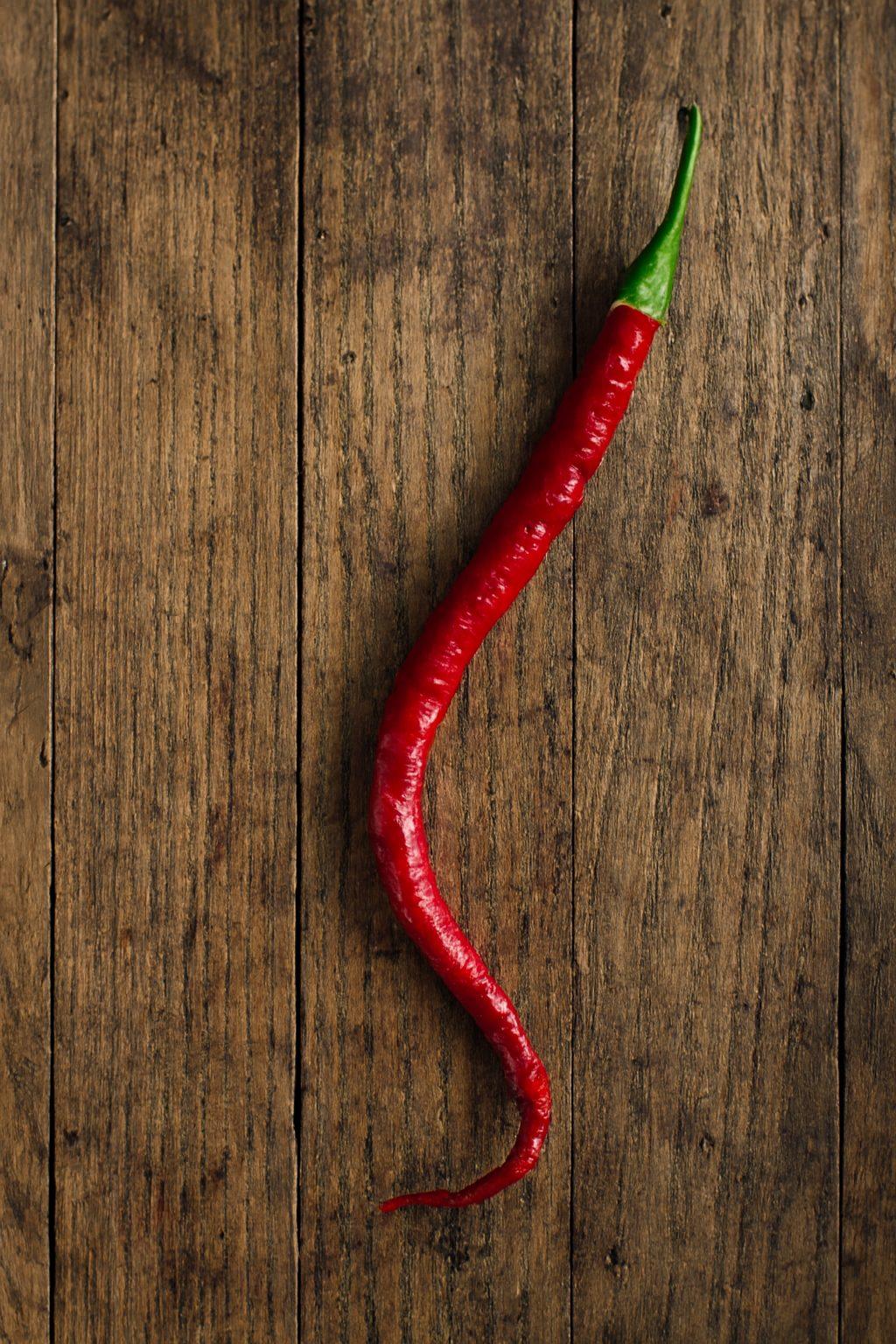
Spaghetti Pepper is a rare and visually striking Capsicum annuum cultivar known for its elongated, thread-like pods and medium heat profile. Often compared to the Thunder Mountain Longhorn for its shape, Spaghetti Pepper distinguishes itself through its ease of cultivation, high yield, and delicate flavor. This variety has gained popularity among growers and chefs alike for its ornamental appeal and culinary versatility. Whether dried, pickled, or used fresh, it offers a unique contribution to both garden and kitchen.
- Cultivar Name: Spaghetti Pepper
- Species: Capsicum annuum
- Common Names: Cow Horn Pepper (in some regions)
- Type: Heirloom
Origin & Lineage
Geographic Origin:
Spaghetti Pepper is believed to have originated in Southeast Asia, though its exact lineage remains undocumented. It has been cultivated and stabilized over time by growers in Europe and Australia, particularly by specialty seed companies such as The Hippy Seed Company and Victoriana Nursery. Its resemblance to the Thunder Mountain Longhorn suggests a shared ancestry or parallel development, though Spaghetti Pepper is generally considered easier to grow and more productive.
Cultural Significance:
While Spaghetti Pepper does not have a documented history in ritual or folklore, its shape and color have made it a favorite for decorative culinary applications. In some regions, it is used as a visual accent in dishes, resembling strands of spaghetti tossed in tomato sauce. Its mild-to-medium heat makes it accessible to a wide range of palates, and it has been incorporated into stir-fries, salads, and chili oils. The cultivar’s aesthetic appeal has also led to its use in ornamental gardening.
Lineage / Hybridizer History:
No single breeder is credited with the development of Spaghetti Pepper. It is considered an open-pollinated heirloom, likely stabilized through generational selection by growers in temperate climates. Its long, thin pods and wrinkled skin suggest influence from Asian longhorn varieties, though its growth habit and flavor profile are distinct. The cultivar has been distributed by reputable nurseries and seed banks, contributing to its preservation and global reach.
Heat Profile
Scoville Rating (SHU):
Approximately 7,000 to 10,000 SHU
Perceived Heat:
Medium (1,000 to 15,000 SHU)
Heat Characteristics:
The heat of Spaghetti Pepper is gentle and well-balanced. It presents quickly on the palate but does not overwhelm, making it suitable for both raw and cooked applications. The burn is localized, typically felt on the tongue and lips, and fades within minutes. This cultivar is ideal for those seeking flavor with a manageable kick.
Flavor Profile
Tasting Notes:
Spaghetti Pepper is noted for its sweet, vegetal flavor, often compared to fresh sweet peas. The taste is clean and slightly grassy, with a mild pungency that enhances rather than dominates dishes.
Aftertaste / Finish:
The finish is smooth and slightly earthy, with minimal bitterness. When dried, the flavor intensifies and gains a smoky undertone, making it suitable for chili powders and rubs.
Ideal Pairings:
- Stir-fries with garlic and sesame oil
- Pickled blends with vinegar and herbs
- Fresh salads with citrus dressing
- Chili oils and infused vinegars
Fruit Characteristics
Shape:
Elongated and thread-like, often curled or twisted
Size:
20–30 cm long, approximately 1.2 cm diameter
Color Stages:
- Immature: green
- Ripe: vibrant red
Wall Thickness:
Thin
Texture & Skin:
Wrinkled and slightly glossy; skin is delicate and dries easily.
Plant Details
Growth Habit:
Bushy
Plant Height & Width:
60–70 cm tall, 40–50 cm wide
Foliage:
Dark green, slightly pubescent
Flower Color:
White
Days to Maturity:
90–100 days from germination
Yield:
High – typically 80–120 pods per plant under optimal conditions.
Cultivation Information
Seed Count per Pack:
5 or 10 seeds (Presoaking Chilli Seeds)
Germination Time:
7–14 days (Germinating Chilli Seeds)
Optimal Germination Temp:
25–30°C (Essential guide to ideal temperatures and humidity for chilli seed germination)
Light Requirements:
Filtered sun
Soil Preferences:
Well-drained loamy soil with pH between 6.0 and 6.8; enriched with compost or aged manure (Easy DIY soil mixes)
Storage Tips:
Store seeds in airtight containers in a cool, dry place. Use silica gel packets to reduce humidity and extend viability.
Notable Compounds
Capsaicinoid Content:
Contains moderate levels of capsaicin and trace dihydrocapsaicin, contributing to its medium heat profile.
Volatile Flavor Compounds:
Though specific studies on Spaghetti Pepper are limited, related annuum cultivars often contain limonene and aldehydes that contribute to their fresh, sweet aroma.
Anthocyanins / Pigments:
No significant anthocyanin expression has been observed. The pods transition from green to red without intermediate pigmentation.
Culinary & Cultural Use
Traditional Uses:
Spaghetti Pepper has been used in homemade chili oils, stir-fries, and pickled preparations. Its shape and flavor make it ideal for visual and culinary experimentation.
Raw vs Cooked Flavor:
Raw pods deliver a crisp, sweet heat with vegetal notes. Cooking enhances the sweetness and introduces a mild smokiness. Drying intensifies the flavor and makes the pods suitable for grinding into powder.
Regional Dishes:
- Thai-style stir-fries
- Pickled chili ribbons in Mediterranean antipasti
- Chili-infused oils for pasta and seafood
- South African braai rubs with dried pepper flakes
Storage / Drying / Preserving Tips:
- Air-dry whole pods in a shaded, ventilated area
- Slice and dehydrate for faster drying
- Store dried pods in vacuum-sealed containers to preserve flavor
- Ferment sliced pods with garlic and salt for chili paste


Reviews
There are no reviews yet.