
Description
Product Name: Variegated Malaysia
Variegated Malaysia is a visually striking heirloom cultivar of Capsicum annuum, prized for its ornamental foliage and mild culinary versatility. This variety is distinguished by its mottled leaves—splashed with white, green, and sometimes purple—and its compact growth habit, making it ideal for container gardening and edible landscaping. While its heat level remains modest, the fruit delivers a balanced flavor profile that complements both fresh and cooked dishes. The cultivar’s aesthetic appeal and adaptability have earned it a place among rare ornamental peppers, particularly in tropical and subtropical regions.
- Cultivar Name: Variegated Malaysia
- Species: Capsicum annuum
- Common Names: Malaysian Variegated Pepper, Ornamental Malaysia
- Type: Ornamental,Heirloom
Origin & Lineage
Geographic Origin: The Variegated Malaysia originates from the tropical lowlands of Malaysia, where it has been cultivated for both ornamental and culinary purposes. Its adaptation to humid climates and filtered light conditions suggests a lineage shaped by Southeast Asian horticultural practices. The variegation trait, while rare, has been stabilized through open-pollinated propagation in regional seed conservation programs.
Cultural Significance: In Malaysian gardens, variegated peppers are often grown for their decorative foliage rather than their fruit. However, the Variegated Malaysia cultivar has found its way into fusion cuisine, where its mild heat and vibrant appearance enhance salads, stir-fries, and pickled assortments. While no ritual use has been documented, its presence in urban gardens and balcony planters reflects a broader cultural appreciation for edible ornamentals. The cultivar is also used in educational settings to demonstrate genetic variegation and biodiversity.
Lineage / Hybridizer History: The original breeder of Variegated Malaysia remains unknown, though its stabilization is attributed to regional growers and conservationists in Peninsular Malaysia. It is not a hybrid; rather, it is a naturally variegated heirloom that has been maintained through selective seed saving. The variegation likely results from chimeral mutations, which have been preserved through vegetative propagation and careful seed selection. Its classification as a rare ornamental by specialty seed suppliers confirms its niche status within the Capsicum annuum species.
Heat Profile
- Scoville Rating (SHU): 500–1,500 SHU
- Perceived Heat: Mild
- Heat Characteristics: The heat of Variegated Malaysia is gentle and brief, making it suitable for those who prefer subtle spice. It delivers a mild tingle on the palate without overwhelming other flavors. The heat is concentrated near the seed cavity and is more noticeable when the fruit is fully ripe. When dried, the heat becomes slightly more pronounced but remains within the mild category.
Flavor Profile
- Tasting Notes: The flavor is crisp and slightly sweet, with vegetal undertones and a hint of citrus. When eaten fresh, the pods offer a clean bite with minimal pungency.
- Aftertaste / Finish: The finish is neutral, allowing the pepper to blend seamlessly into dishes without lingering heat. A faint herbal note may be detected when roasted.
- Ideal Pairings: Variegated Malaysia pairs well with cream-based fillings, fresh herbs, and light proteins. It is ideal for stuffing with cheese, slicing into salads, or incorporating into stir-fries. Its visual appeal also makes it suitable for garnishing fusion dishes and artisanal platters.
Fruit Characteristics
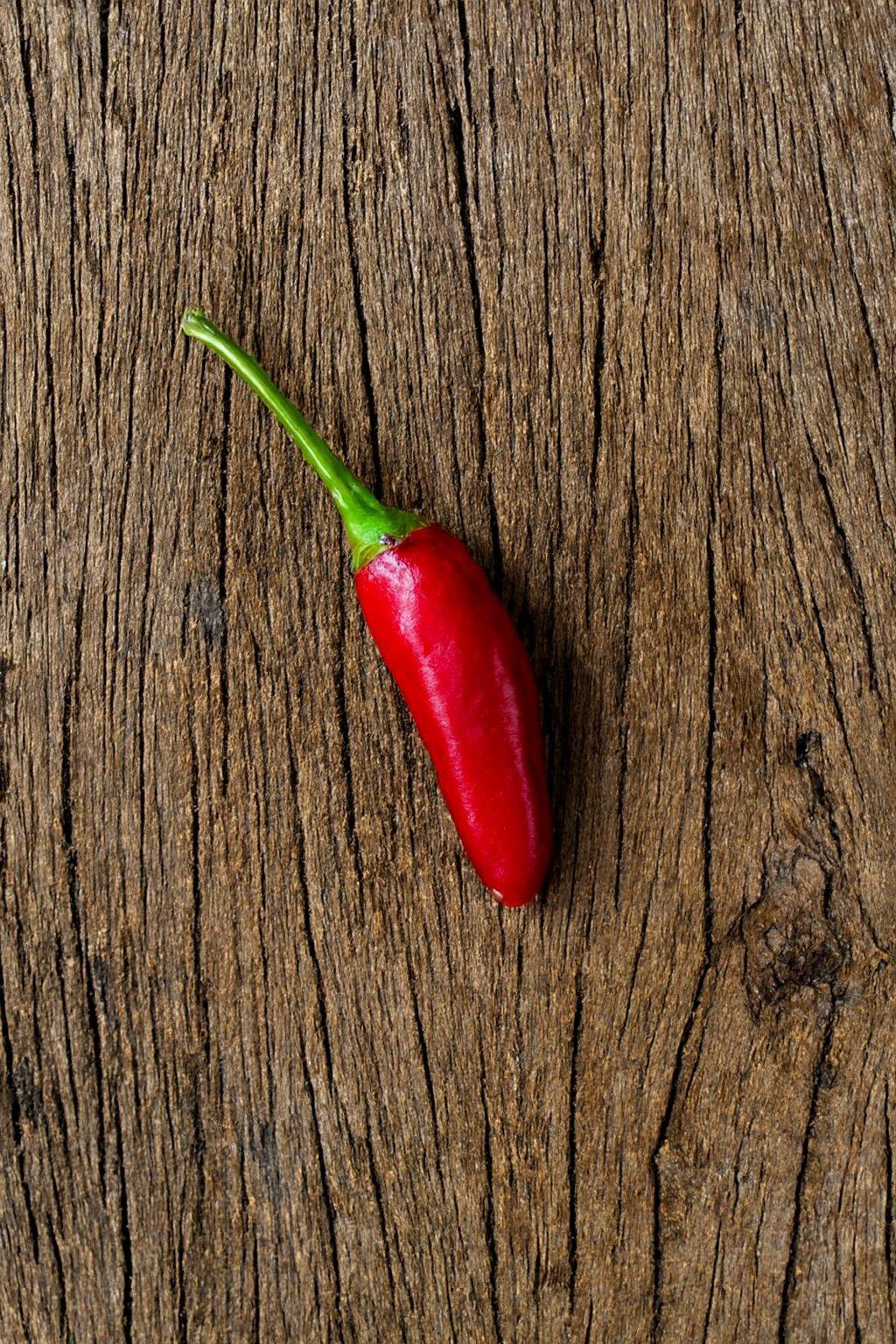
- Shape: Elongated and slightly curved, tapering to a rounded tip
- Size: Approximately 5–6 cm long, 1.5 cm diameter
- Color Stages: Immature: green → Ripe: red
- Wall Thickness: Thin
- Texture & Skin: Smooth with occasional wrinkling near the stem; skin is glossy and delicate
Plant Details
- Growth Habit: Bushy
- Plant Height & Width: 40–60 cm tall, 30–40 cm wide
- Foliage: Variegated with white, green, and occasional purple streaks; lightly pubescent
- Flower Color: White
- Days to Maturity: 80–100 days from germination
- Yield: Moderate – typically 20–40 pods per plant under optimal conditions
Cultivation Information
- Seed Count per Pack: 5 or 10 seeds (Presoaking Chilli Seeds)
- Germination Time: 7–14 days (Germinating Chilli Seeds)
- Optimal Germination Temp: 25–30°C (Essential guide to ideal temperatures and humidity for chilli seed germination)
- Light Requirements: Filtered sun
- Soil Preferences: Prefers well-drained, loamy soil with a pH of 6.2–6.8. Organic compost and perlite improve aeration and root development (Easy DIY soil mixes)
- Storage Tips: Store seeds in airtight containers in a cool, dry environment. Avoid exposure to humidity and direct light to maintain viability for up to 3 years.
Notable Compounds
- Capsaicinoid Content: Contains trace amounts of capsaicin and dihydrocapsaicin, contributing to its mild heat
- Volatile Flavor Compounds: Limonene and beta-ionone may be present in small quantities, lending subtle citrus and floral notes
- Anthocyanins / Pigments: Variegation is likely due to chimeral mutations affecting chlorophyll distribution; occasional purple streaks suggest anthocyanin expression in cooler conditions
Culinary & Cultural Use
- Traditional Uses: While not widely used in traditional Malaysian dishes, Variegated Malaysia has been adopted into modern fusion cuisine. It is often stuffed with cream cheese, sliced into fresh salads, or used as a garnish in stir-fries and noodle bowls.
- Raw vs Cooked Flavor: Raw pods offer a crisp texture and mild sweetness. Cooking softens the flesh and enhances the vegetal notes. Roasting introduces a faint smokiness, while pickling adds tang and preserves the color contrast.
- Regional Dishes: Though not tied to specific heritage recipes, it has been featured in contemporary Malaysian fusion dishes such as tofu stir-fries, nasi ulam variations, and sambal relishes.
- Storage / Drying / Preserving Tips: Dry pods in a shaded, well-ventilated area to preserve variegation and flavor. Once dried, they may be ground into a mild powder or stored whole. For pickling, use a vinegar-based brine with garlic and herbs to complement the mild heat and enhance shelf life.


Reviews
There are no reviews yet.