
Description
Purple Flowered Baccatum
Product Name: Purple Flowered Baccatum
Purple Flowered Baccatum is a visually captivating and botanically rare cultivar within the Capsicum baccatum species. Known for its striking violet blossoms and fiery fruit, this pepper offers both ornamental elegance and culinary potency. It has gained attention among collectors, breeders, and chefs for its unique floral pigmentation—uncommon in baccatum types—and its high heat, which rivals some of the hottest in its class. Though semi-wild in origin, it has been stabilized through selective cultivation and now stands as a must-grow variety for those seeking aesthetic novelty and bold flavor.
Cultivar Name: Purple Flowered Baccatum (also known as Aji Flor Morado)
Species: Capsicum baccatum
Common Names: Aji Flor Morado, Violet Baccatum
Type: Hybrid
Origin & Lineage
Geographic Origin:
The Purple Flowered Baccatum originates from Brazil, where it was first collected and introduced by breeder Christopher Phillips. It is believed to be an interspecific hybrid between Capsicum baccatum and Capsicum praetermissum, the latter being the only baccatum-related species known to produce purple flowers. The plant’s floral pigmentation and fruit morphology suggest a complex lineage, possibly involving semi-domesticated wild types from the Brazilian highlands.
Cultural Significance:
While Purple Flowered Baccatum does not have documented ritual use, its parent species—particularly Capsicum baccatum—has deep culinary roots in South American cuisine. Baccatum peppers have long been used in ají sauces, meat rubs, and fermented condiments across Peru, Bolivia, and Brazil. The purple flower trait, rare and visually arresting, has made this cultivar a symbol of biodiversity and ornamental breeding innovation. It is often grown in botanical collections and seed preservation gardens as a showcase of Capsicum’s genetic diversity.
Lineage / Hybridizer History:
Christopher Phillips, known in pepper circles as cmpman1974, is credited with introducing this cultivar to the global community. The original seeds were collected from semi-wild populations in Brazil and selectively bred for flower color, pod uniformity, and heat intensity. Though not fully stabilized, the cultivar has reached a level of consistency in phenotype that allows for reliable cultivation.
Heat Profile
Scoville Rating (SHU): 20,000–40,000 SHU
Perceived Heat: Hot (15,000 to 50,000 SHU)
Heat Characteristics:
The heat of Purple Flowered Baccatum is immediate and sharp, delivering a fiery burn that is characteristic of high-end baccatum cultivars. It begins with a tingling sensation on the tongue and quickly escalates to a full-mouth burn, which then tapers off without lingering bitterness. The pungency is concentrated in the placental tissue and inner membranes, and while intense, it remains clean and satisfying. When dried, the heat becomes more focused and slightly smoky.
Flavor Profile
Tasting Notes:
Fresh Purple Flowered Baccatum pods exhibit a bright, fruity flavor with notes of mango, pineapple, and green herbs. There is a subtle acidity that balances the sweetness, making it ideal for fresh applications. The aroma is strong and herbaceous, with a hint of floral complexity.
Aftertaste / Finish:
The finish is crisp and slightly tangy, with a residual heat that fades cleanly. When roasted, the flavor deepens into a caramelized, earthy profile with hints of citrus peel.
Ideal Pairings:
- Fresh salsas and ají sauces
- Grilled meats and rice dishes
- Pickled vegetable medleys
- Fermented pepper pastes
- Infused oils and vinegars
Fruit Characteristics
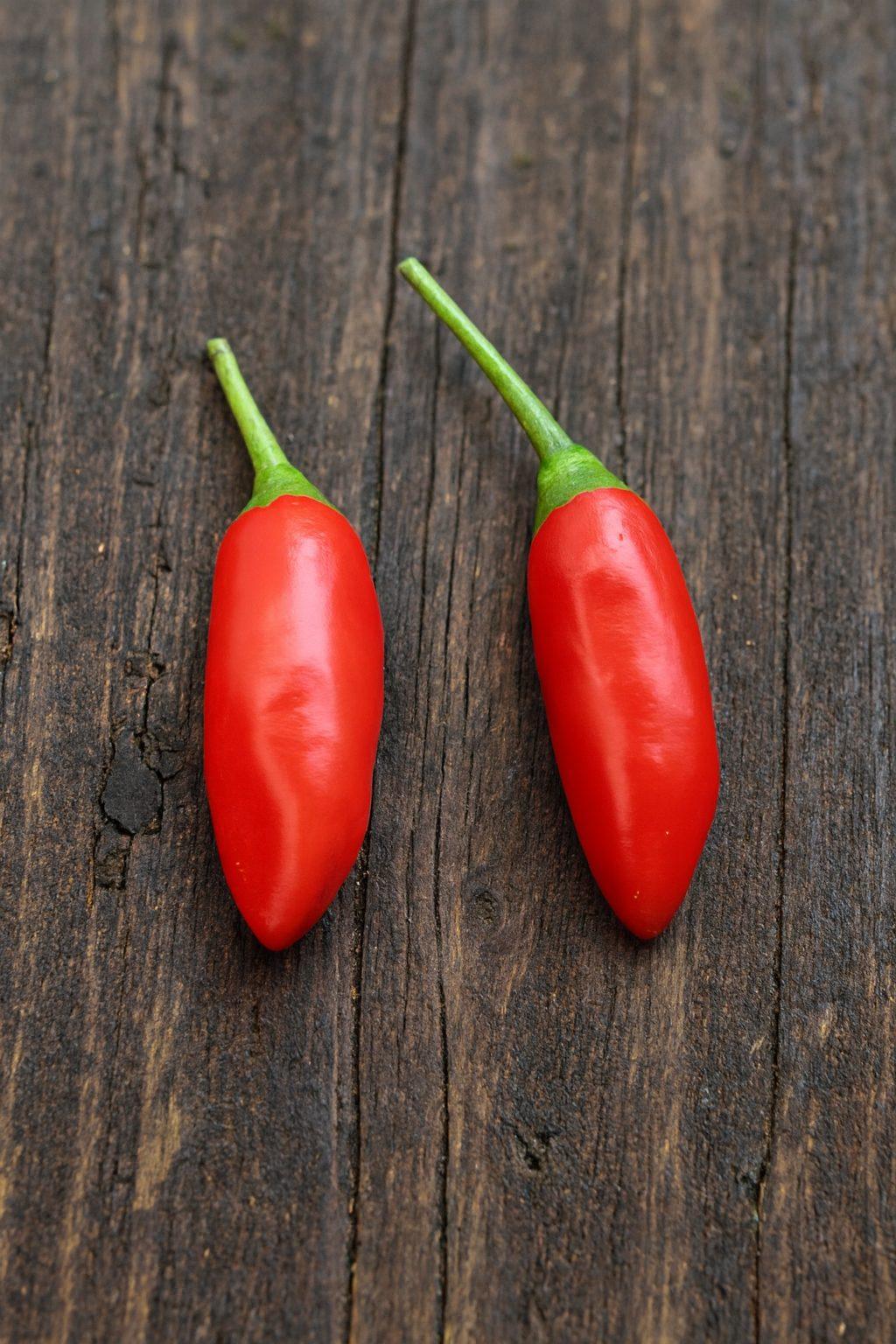
Shape: Slender, elongated, bullet-shaped pods
Size: 5–6 cm long, 1.5 cm diameter
Color Stages:
- Immature: green
- Ripe: orange → red
Wall Thickness: Medium
Texture & Skin: Smooth and glossy; may wrinkle slightly near the calyx
Plant Details
Growth Habit: Bushy
Plant Height & Width: 90–120 cm tall, 60–80 cm wide
Foliage: Dark green, non-variegated; slight pubescence on stems
Flower Color: Purple with greenish-yellow spots—unique among baccatum types
Days to Maturity: 120–150 days from transplant
Yield: High – typically 80–120 pods per plant under optimal conditions
Cultivation Information
Seed Count per Pack: 5 or 10 seeds (Presoaking Chilli Seeds)
Germination Time: 7–14 days (Germinating Chilli Seeds)
Optimal Germination Temp: 25–30°C (Essential guide to ideal temperatures and humidity for chilli seed germination)
Light Requirements: Filtered sun
Soil Preferences:
- pH: 6.2–6.8
- Well-drained loamy or sandy soil
- High organic matter content (Easy DIY soil mixes)
Storage Tips:
Store Purple Flowered Baccatum seeds in airtight containers in a cool, dry environment. Refrigeration at 4–8°C is recommended for long-term viability. Avoid exposure to humidity and direct sunlight.
Notable Compounds
Capsaicinoid Content:
- Capsaicin
- Dihydrocapsaicin
These compounds contribute to the pepper’s pungency and metabolic effects, with concentrations varying based on ripeness and environmental stress.
Volatile Flavor Compounds:
Anthocyanins / Pigments:
The purple coloration in the flowers is attributed to anthocyanins, particularly delphinidin and petunidin derivatives. These pigments are expressed in the petals and occasionally in the stems, depending on light exposure and temperature.
Culinary & Cultural Use
Traditional Uses:
Though not traditionally cultivated for food, Purple Flowered Baccatum has found its way into:
- Ají-style sauces
- Fresh salsas and relishes
- Pickled condiments
- Fermented pepper pastes
- Dry rubs and powders
Raw vs Cooked Flavor:
Raw pods deliver a crisp, fruity bite with sharp heat. Cooking enhances sweetness and reduces acidity, especially when roasted or grilled. Pickling preserves the color and adds tang, making it ideal for visual and flavor contrast in dishes.
Regional Dishes:
- Ají criollo – Ecuadorian condiment
- Moqueca – Brazilian fish stew with pepper infusion
- Churrasco marinades – South American grilled meat rubs
- Salsa de ají rojo – Peruvian-style red pepper salsa
Storage / Drying / Preserving Tips:
- Air-dry pods in a shaded, ventilated area for ornamental use
- Use dehydrators at 45–50°C for culinary drying
- Store dried pods in glass jars with desiccant packs
- Pickle in vinegar brine with garlic and spices for long-term preservation
- Freeze whole or sliced pods for up to 6 months


Reviews
There are no reviews yet.