
Description
Little Finger Carrot Seeds
Cultivar Details
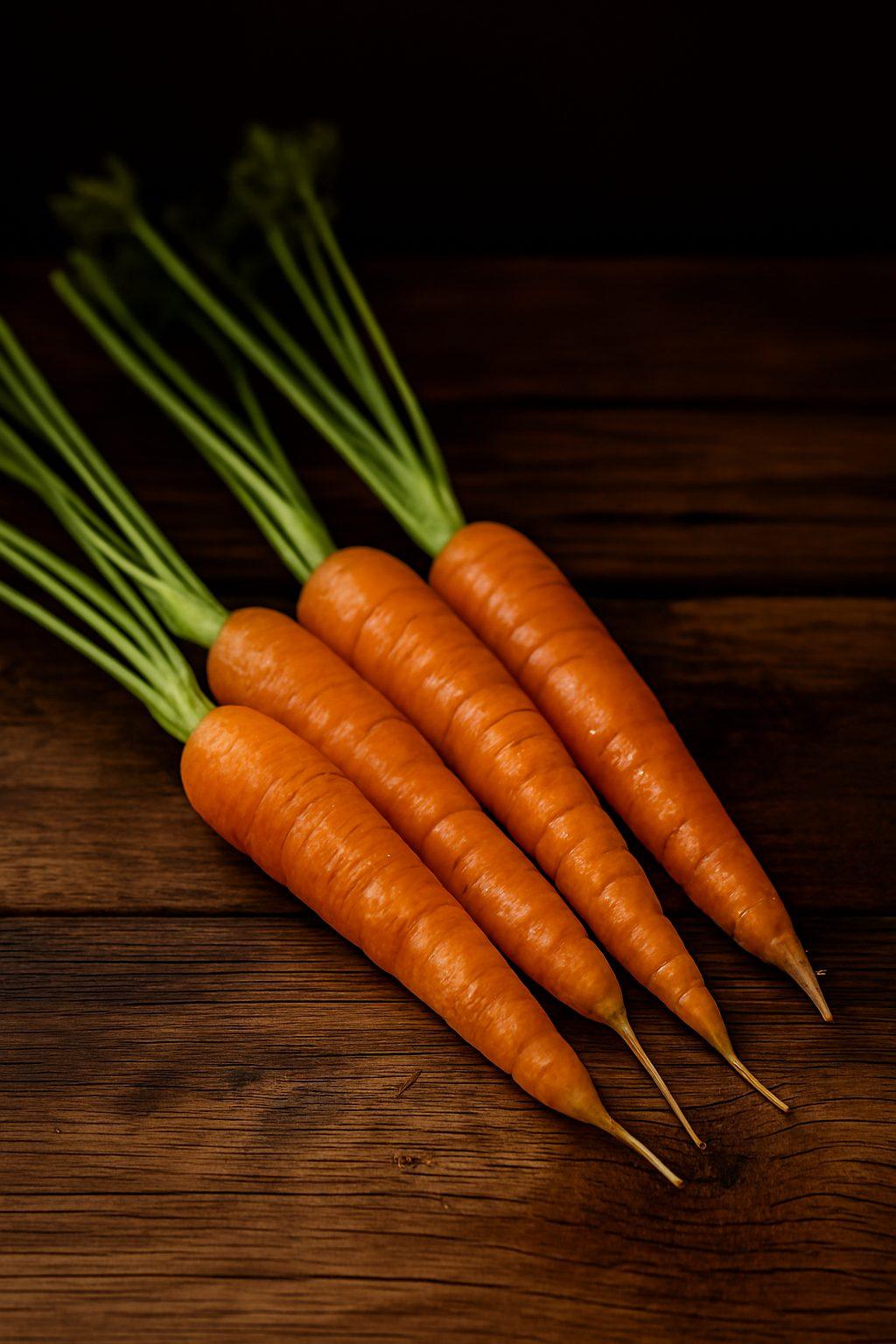
Little Finger Carrot is a gourmet baby carrot cultivar prized for its deep orange colour, tender texture, and sweet, concentrated flavour. Bred originally for canning and pickling, Little Finger has since become a favourite for home gardens, container growing, and market growers who supply fresh-cut, baby carrot lines. It produces uniform, cylindrical roots that stay slender and appealing even when grown in shallow or compacted soils, which makes it especially versatile for urban beds and raised planters.
Origin and Lineage
Little Finger Carrot traces its heritage to French baby carrot breeding, where compact root types were selected for mechanical processing and attractive whole-pickling. Over time, the variety spread into home and market gardens because of its dependable performance across climates. It is an open-pollinated, heritage-style type that has been preserved by seed houses and gardeners for its stable characteristics and predictable results.
Flavor and Culinary Profile
Little Finger carrots are celebrated for a bright, sweet carrot flavour with a fine-grained texture and very small core. Raw roots offer a crisp, juicy snap that is ideal for snacking, crudités, and lunchboxes. When cooked lightly, their sugars caramelize quickly so roasted, glazed, or sautéed preparations become intensely sweet and tender. Consequently, Little Finger is preferred by chefs and home cooks for pickling, baby-vegetable platters, and delicate garnishes where both appearance and flavour matter.
Plant Characteristics
Little Finger Carrot Plants form a low, feathery top of fern-like foliage and allocate energy into producing smooth, cylindrical roots that typically measure 3–6 inches in length and about 1/2 inch in diameter. The roots have a very small central core which contributes to their tender mouthfeel. Little Finger displays reliable uniformity across a sowing and resists forked or misshapen roots when grown in loose, stone-free soil. Furthermore, it tolerates close spacing and performs well in containers, making it a go-to choice for small-space gardening and intensive production systems.
Seed Pack Details
- Seed Type: Open-pollinated Little Finger carrot seeds.
- Pack Size: +-200 Seeds
- Intended Use: Direct sowing for fresh cut markets, home garden beds, container culture, and succession planting for continuous harvest.
Germination and Propagation
Little Finger Carrot seeds germinate when soil temperatures are cool to moderate and moisture is consistent. Sow seeds 1/8 to 1/4 inch deep because shallow sowing encourages steady emergence. Germination typically occurs in 7–21 days depending on soil warmth; therefore, maintain even moisture to avoid crusting and patchy stands. Seedlings are thinned to 2–3 inches apart for finished roots; however, tight sowings can be harvested as baby carrots earlier if uniformity is desired. Direct sowing is the recommended propagation method because carrots do not transplant well from bare-root seedlings.
Soil and Water Requirements
The Little Finger Carrot thrives in loose, well-drained soils rich in organic matter. Heavy or rocky soils will cause forked roots so amend beds with compost and remove stones before sowing. Maintain consistent moisture throughout the growing cycle to prevent cracking and excessive hairiness on roots. Furthermore, mulch can be applied to conserve moisture and moderate soil temperature. Little Finger performs best on soils with a pH between 6.0 and 7.0 and benefits from low-nitrogen, balanced fertility to promote healthy root development rather than excessive foliar growth.
Light and Climate Requirements
Little Finger Carrot prefers full sun but will tolerate light afternoon shade in warmer climates. It is adapted to cool to moderate conditions and can be grown in spring and autumn windows in temperate zones. In mild climates, Little Finger can be produced through winter with protection because carrots are frost-hardy once established. Adequate sunlight enhances sugar accumulation in the root, which results in sweeter flavour and improved colour intensity.
Crop Calendar and Days to Harvest
Little Finger Carrot is an early to mid-season baby carrot with flexible maturity depending on harvest size. Typical days to harvest range from 50 to 70 days from sowing for marketable baby roots; smaller baby harvests can occur sooner. Succession sowings every 2–3 weeks will create a continuous supply for fresh-eating and market sales. Early sowings are made as soon as soil can be worked in spring, and late-summer sowings are timed for autumn harvests and cool-season sweetness.
Yield and Harvest Notes
Yields are strong when stands are uniform and soil is prepared correctly. Close spacing increases the number of baby roots per square metre while wider spacing increases individual root girth for a larger snack carrot. Harvest by gently lifting with a fork to avoid root damage and wash immediately to preserve appearance. Because Little Finger stores less well than long-storage cultivars, harvesting to match market demand reduces post-harvest loss and maintains peak flavour.
Pests, Diseases and Management
Little Finger Carrot is subject to common carrot pests and diseases including carrot rust fly, aphids, nematodes, and leaf blights. Use integrated pest management: rotate carrot plantings, delay sowings when rust fly pressure is high, apply floating row covers for protection, and encourage beneficial insects with flowering companions. Proper sanitation, crop rotation, and soil health practices reduce disease pressure and support vigorous root development.
Companion Planting and Ecological Use
Little Finger Carrot pairs well with herbs and flowers that attract pollinators and beneficial predators. Planting onions, leeks, or chives nearby can deter carrot pests, while marigolds and nasturtiums increase biodiversity and may reduce nematode pressure. Additionally, intercropping with shallow-rooted greens uses space efficiently and allows for earlier market returns from the same bed.
Culinary, Medicinal and Nutritional Uses
Little Finger Carrot is packed with beta-carotene, vitamin A precursors, fibre, and antioxidants. It is a healthy snack, a colourful addition to salads, and an elegant baby vegetable for plated dishes. Medicinally, carrots support eye health and immune function because of their carotenoid profile. Little Finger’s tender texture and concentrated sweetness make it suitable for raw consumption by children and for inclusion in smoothies and mild baby foods.
Preservation and Storage
Store harvested roots cooled and slightly moist to retain crispness; refrigeration in perforated bags or wrapped in damp cloth extends shelf life. For longer preservation, blanch and freeze or ferment and pickle to retain flavour and nutritional value.
Notable Compounds and Chemistry
Little Finger Carrot accumulates carotenoids, primarily beta-carotene, which give the root its deep orange colour and provide provitamin A activity. It also contains soluble sugars and phenolic compounds that contribute to sweetness and antioxidant capacity. These compounds are stable in light cooking and are bioavailable when consumed with a small amount of fat.

Reviews
There are no reviews yet.