
Description
Cultivar Name: Jalapeño Azabache Chilli Seeds
Species: Capsicum annuum
Common Names: Azabache Jalapeño, Chocolate Jalapeño, Smoky Jalapeño
Type: Stable hybrid
Origin & Lineage
Geographic Origin: Originally bred in the Netherlands; popularized in Europe and South Africa
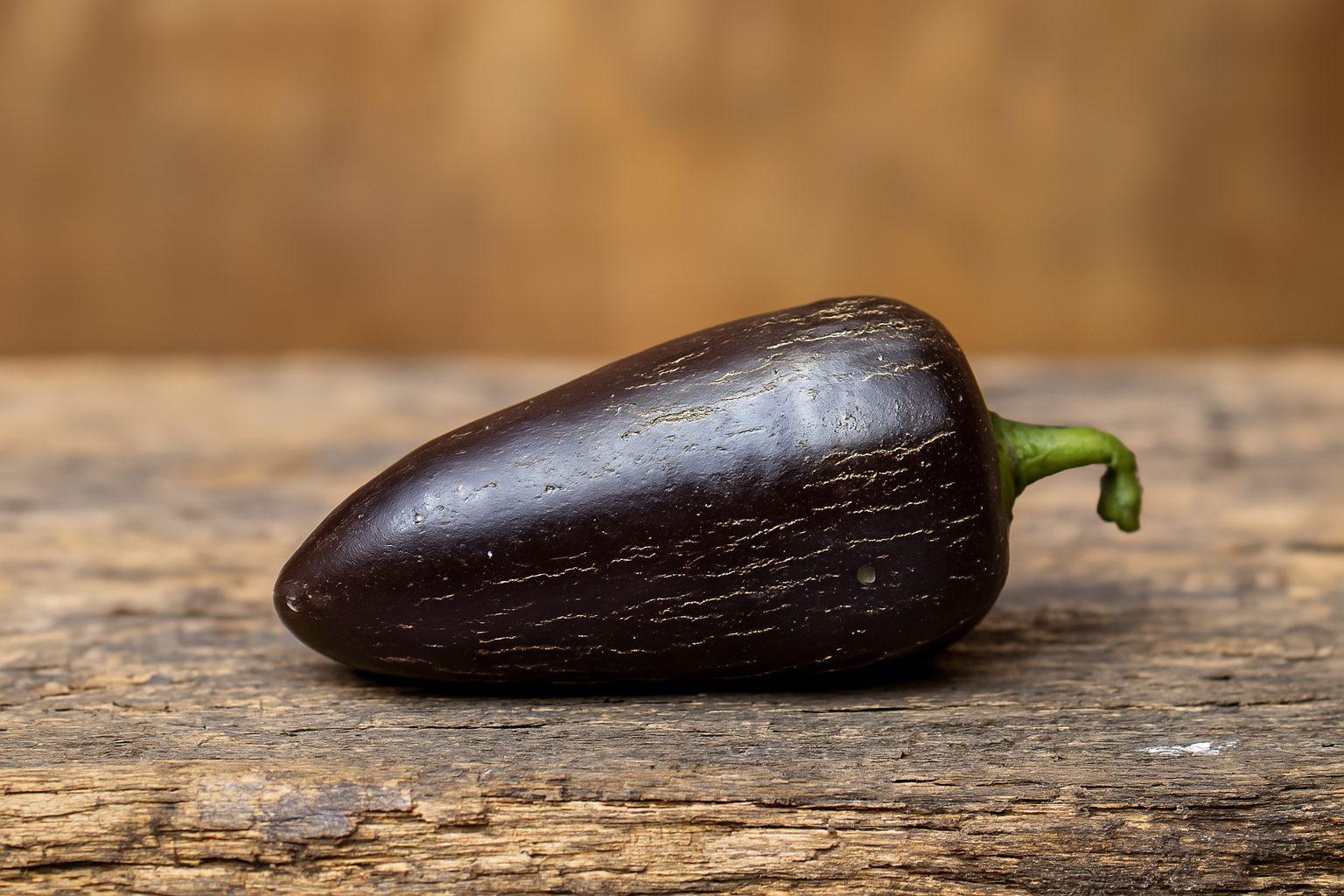
Development History: Jalapeño Azabache is a visually striking cultivar developed through selective breeding to enhance pigmentation, flavor complexity, and culinary versatility. The name “Azabache”—Spanish for jet black—refers to the pepper’s deep, glossy brown coloration at full maturity. Though its genetic base is jalapeño, Jalapeño Azabache was refined in the Netherlands and later distributed through European and South African seed networks. It is open-pollinated and mostly stable, making it suitable for seed saving.
Cultural Significance: Jalapeño Azabache peppers have gained popularity among growers and chefs for their ornamental appeal and smoky flavor. Their dark hue and robust aroma make them ideal for gourmet applications, especially in Tex-Mex, fusion, and fire-roasted dishes. In South Africa, they’ve become a favorite for cheese-stuffed poppers and artisan sauces, offering a deeper, earthier alternative to standard green jalapeños.
Lineage / Hybridizer History:
While the exact breeder is not publicly documented, Jalapeño Azabache is believed to descend from chocolate-hued jalapeño mutations stabilized in Dutch breeding programs. It retains the classic annuum growth habit and flower morphology, but its pigmentation and flavor profile set it apart from commercial jalapeños.
Heat Profile
Scoville Rating (SHU): 2,500–8,000 SHU
Perceived Heat: Medium—comparable to standard jalapeños, with occasional spikes under stress
Heat Characteristics: The burn is clean and direct, beginning with a grassy bite and building toward a mild throat warmth. The heat is concentrated in the placenta and inner membranes, but the thick flesh buffers the intensity. Under dry or nutrient-stressed conditions, Jalapeño Azabache pods may develop sharper heat, occasionally exceeding expectations.
Flavor Profile
Tasting Notes: Jalapeño Azabache offer a bold, smoky flavor with earthy undertones and hints of cocoa and roasted coffee. The flesh is juicy and aromatic, with a grassy jalapeño base layered beneath the darker notes. Compared to green jalapeños, Azabache delivers more depth and complexity, especially when roasted or grilled.
Aftertaste / Finish: The finish is warm and slightly bitter, with lingering smoke and a touch of sweetness. Roasting enhances caramel and umami notes, while pickling brightens the acidity and preserves the color.
Ideal Pairings:
- Cheese-stuffed poppers with smoked paprika
- Roasted Azabache salsa with garlic and lime
- Tex-Mex enchiladas and tacos
- Smoky jalapeño chutneys and jams
- Grilled meats and charred vegetable platters
Fruit Characteristics
- Shape: Slightly elongated, egg-shaped pods
- Size: 5–7.5 cm long, 2–3 cm diameter
- Color Stages: Immature: green → Ripe: deep chocolate brown
- Wall Thickness: Medium to thick
- Texture & Skin: Smooth, glossy, firm
Plant Details
- Growth Habit: Upright and bushy
- Plant Height & Width: 60–90 cm tall, 45–60 cm spread
- Foliage: Dark green, ovate leaves
- Flower Color: White
- Days to Maturity: 90–110 days from transplant
- Yield: High – 40–60 pods per plant under optimal conditions
Cultivation Information
- Seed Count per Pack: 10 seeds
- Germination Time: 7–14 days (Germinating Chilli Seeds)
- Optimal Germination Temp: 24–29°C (Essential guide to ideal temperatures and humidity for chilli seed germination)
- Light Requirements: Filtered sun (minimum 6–8 hours/day)
- Soil Preferences:
- pH: 6.0–6.8
- Well-draining loam enriched with compost (Easy DIY soil mixes)
- Avoid waterlogging; mulch to retain moisture
Storage Tips: Store seeds in airtight containers in a cool, dry place. Refrigeration with desiccants can extend viability up to 5 years.
Notable Compounds
Capsaicinoid Content:
- Moderate capsaicin and dihydrocapsaicin
- Heat concentration varies by ripeness and stress
Volatile Flavor Compounds:
- Limonene (citrus)
- Vanillin (sweetness)
- Methylpyrazine (smoke)
Anthocyanins / Pigments: Dark brown coloration due to high carotenoid and flavonoid content; no purple pigmentation
Culinary & Cultural Use
Traditional Uses: While not traditional in Mexican cuisine, Azabache jalapeños have found their way into modern Tex-Mex, fusion, and gourmet dishes. Their smoky flavor and dark hue make them ideal for upscale sauces, poppers, and fire-roasted condiments.
Raw vs Cooked Flavor: Raw pods deliver grassy heat and subtle smoke. Roasting deepens the flavor and adds caramelized complexity. Pickling preserves crunch and adds acidity, while stuffing absorbs savory richness.
Regional Dishes:
- Azabache poppers with cream cheese and bacon
- Roasted Azabache salsa with charred tomatoes
- Smoky enchiladas with Azabache strips
- Jalapeño Azabache jam with citrus and ginger
- Pickled Azabache rings for burgers and wraps
Storage / Drying / Preserving Tips:
Dry pods whole or sliced in a dehydrator. Pickling is highly effective—use vinegar, garlic, and sugar for a balanced brine. Roasted peppers can be frozen or blended into sauces. For seed saving, allow pods to fully ripen and dry before extraction.


Reviews
There are no reviews yet.