

Description
El Oro de Ecuador
Product Name: El Oro de Ecuador
Cultivar Name: El Oro de Ecuador
Species: Capsicum baccatum
Common Names: None widely documented
Type: Heirloom
Origin & Lineage
Geographic Origin:
El Oro de Ecuador originates from the El Oro province in southern Ecuador, a region historically known for its gold mining. The name “El Oro” translates to “The Gold,” referencing both the province and the golden hue of the ripe pods. This cultivar was originally collected and catalogued under ARS/GRIN accession number PI 585244, confirming its authenticity as a landrace variety native to Ecuador.
Cultural Significance:
In Ecuadorian culinary traditions, baccatum varieties such as El Oro de Ecuador are valued for their sweet, fruity flavor and moderate heat. While specific ritual or folkloric uses are not extensively documented, the cultivar’s name and color suggest symbolic associations with prosperity and abundance. Its continued cultivation in local gardens and small farms reflects its cultural integration into everyday cooking, particularly in sauces and stews.
Lineage / Hybridizer History:
El Oro de Ecuador is a naturally occurring heirloom variety, not attributed to a specific breeder. It is not a hybrid and has been preserved through open-pollinated generations. Its classification as Capsicum baccatum places it within a species known for vigorous growth and distinctive floral traits. No formal hybridization records exist, reinforcing its status as a true heirloom.
Heat Profile
Scoville Rating (SHU):
10,000–20,000 SHU
Perceived Heat:
Medium
Heat Characteristics:
The heat of El Oro de Ecuador is described as moderate and approachable. It builds gradually, allowing the sweet and fruity notes to emerge before the spice settles in. The burn is clean and short-lived, making it suitable for those who prefer flavor-forward heat without overwhelming intensity. When cooked, the heat mellows further, integrating smoothly into dishes.
Flavor Profile
Tasting Notes:
El Oro de Ecuador delivers a bright, sweet, and fruity flavor with subtle citrus undertones. The initial bite reveals a crisp texture and a light capsicum essence, followed by a gentle warmth that complements rather than dominates.
Aftertaste / Finish:
The finish is clean and slightly tangy, with lingering fruit notes. Unlike superhot varieties, it does not leave a prolonged burn, making it ideal for repeated use in meals.
Ideal Pairings:
- Fresh salsas with mango or pineapple
- Stir-fries featuring bell peppers and tofu
- Grilled meats with citrus marinades
- Pizza toppings, especially with grapefruit or goat cheese
- Rice dishes and vegetable stews
Fruit Characteristics
Shape:
Elliptical, slightly tapered
Size:
3–4 cm long, 2–3 cm diameter
Color Stages:
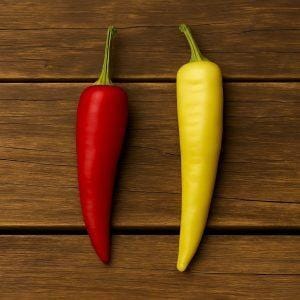
Immature: green → Ripe: golden yellow
Wall Thickness:
Medium to thick
Texture & Skin:
Smooth with a firm, crunchy texture
Plant Details
Growth Habit:
Tall and gangly; staking recommended
Plant Height & Width:
Height: up to 1.5 meters in pots; Width: approximately 0.6–0.8 meters
Foliage:
Dark green, slightly pubescent
Flower Color:
White with occasional greenish tinge
Days to Maturity:
120–130 days from transplant
Yield:
High – prolific pod production even in cooler climates
Cultivation Information
Seed Count per Pack:
5 or 10 seeds (Presoaking Chilli Seeds)
Germination Time:
10–14 days (Germinating Chilli Seeds)
Optimal Germination Temp:
25–30°C (Essential guide to ideal temperatures and humidity for chilli seed germination)
Light Requirements:
Filtered sun
Soil Preferences:
- pH: 6.0–6.8
- Well-draining loamy soil
- Rich in organic matter (Easy DIY soil mixes)
Storage Tips:
Store seeds in a cool, dry, and dark environment. Use airtight containers with desiccant packs to extend viability. Refrigeration is optional but beneficial for long-term storage.
Notable Compounds
Capsaicinoid Content:
Primarily capsaicin and dihydrocapsaicin, consistent with medium-heat baccatum varieties
Volatile Flavor Compounds:
Limonene and trace esters contribute to the fruity aroma; vanillin presence is unconfirmed
Anthocyanins / Pigments:
No purple pigmentation observed; golden coloration due to carotenoid expression
Culinary & Cultural Use
Traditional Uses:
- Ají-style sauces
- Fresh salsas
- Mild fermentations
- Stir-fry additions
- Pizza toppings
Raw vs Cooked Flavor:
Raw pods offer a crisp, sweet bite with mild heat. When roasted or grilled, the sugars caramelize, enhancing the fruitiness and reducing the heat. Pickling preserves the crunch and bright flavor, while fermentation deepens the tang.
Regional Dishes:
- Ecuadorian ají criollo (fresh chili sauce)
- Locro de papa (potato soup with chili garnish)
- Arroz con camarones (shrimp rice with chili slices)
- Empanadas with chili-infused fillings
Storage / Drying / Preserving Tips:
- Air-drying in shaded, ventilated areas preserves color and flavor
- Oven drying at low temperatures (below 50°C) retains volatile compounds
- Fermentation with salt brine enhances complexity
- Freezing whole pods maintains texture for short-term use



Reviews
There are no reviews yet.