
Description
Bonda Mahala
Product Name: Bonda Mahala
Cultivar Name: Bonda Mahala
Species: Capsicum chinense
Common Names: None widely documented
Type: Hybrid
Origin & Lineage
Geographic Origin:
Bonda Mahala originated in the United States, though its genetic lineage traces back to Caribbean and Trinidadian cultivars. It was developed through intentional hybridization and has since gained recognition among superhot pepper enthusiasts globally. The cultivar thrives in temperate and subtropical climates, and its adaptability has made it a popular choice for growers in North America, Europe, and Southern Africa.
Cultural Significance:
While Bonda Mahala is not tied to any specific folklore or ritual use, its parent varieties—Bonda Ma Jacques and 7 Pot Yellow—carry cultural weight in Caribbean culinary traditions. Bonda Ma Jacques, in particular, is used in traditional sauces and marinades across Martinique and Guadeloupe. The hybrid’s intense heat and citrus-forward flavor have made it a favorite in artisanal hot sauce production, especially among small-batch fermenters and culinary innovators. It is often grown not only for its culinary value but also for its ornamental appeal due to its vibrant fruit coloration.
Lineage / Hybridizer History:
Bonda Mahala is a stable hybrid created in 2012 by Charles De Souza through a cross between Bonda Ma Jacques and 7 Pot Yellow. The cultivar was later grown out and named by Gary Montcalm, who helped stabilize its traits over successive generations. It is now considered a reliable and prolific superhot variety, with consistent pod shape, color, and heat profile. The hybridization was aimed at combining the citrus notes of Bonda Ma Jacques with the prolific yield and heat of the 7 Pot Yellow, resulting in a cultivar that excels in both flavor and productivity.
Heat Profile
Scoville Rating (SHU):
350,000–599,999 SHU
Perceived Heat:
Superhot (500,000 or more SHU)
Heat Characteristics:
The heat of Bonda Mahala is immediate and penetrating, with a sharp onset that intensifies rapidly. It delivers a high habanero-level burn that is smoother than many other superhots, making it more palatable for those accustomed to extreme heat. The burn is long-lasting and tends to concentrate on the tongue and lips. Despite its intensity, the heat is often described as “clean,” lacking the bitter undertones found in some other Capsicum chinense cultivars. This makes it suitable for sauces that aim to deliver heat without overpowering flavor.
Flavor Profile
Tasting Notes:
Bonda Mahala offers a complex flavor profile that blends citrus, tropical fruit, and classic chinense earthiness. The initial bite reveals bright notes reminiscent of pineapple and mango, followed by a subtle floral undertone. These flavors are most pronounced when the pods are fully ripe and freshly harvested.
Aftertaste / Finish:
The finish is smooth and slightly sweet, with lingering citrus notes that balance the intense heat. Unlike many superhot varieties that leave a harsh aftertaste, Bonda Mahala’s finish is clean and aromatic, making it ideal for fermented sauces and chutneys.
Ideal Pairings:
- Fermented hot sauces with garlic and fruit
- Caribbean-style pepper sauces
- Chutneys with mango or tamarind
- Grilled meats and seafood rubs
- Pickled pepper blends with vinegar and herbs
Fruit Characteristics
Shape:
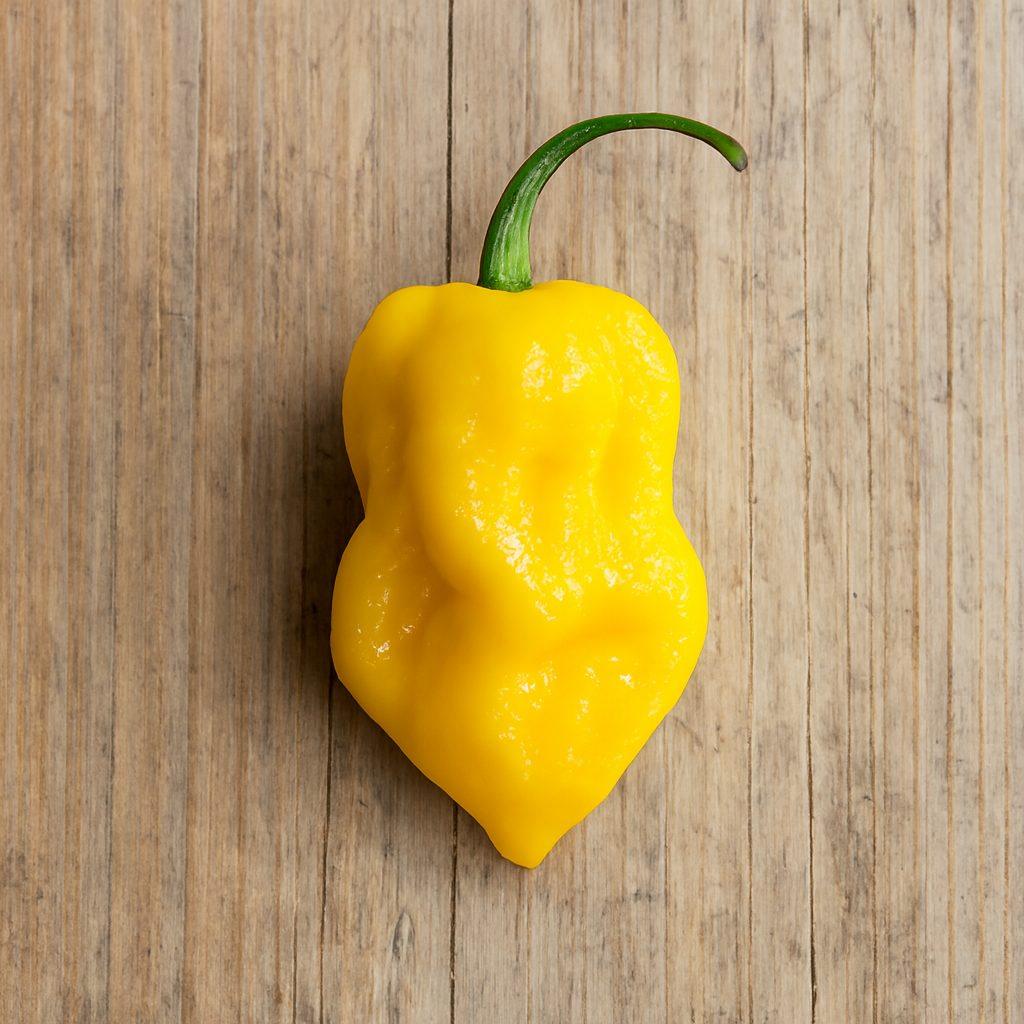
Tapered and twisted, often resembling a distorted teardrop
Size:
3–4 cm long, 2 cm diameter
Color Stages:
Immature: green → Ripe: bright orange-yellow
Wall Thickness:
Thick
Texture & Skin:
Slightly wrinkled with occasional blistering
Plant Details
Growth Habit:
Bushy
Plant Height & Width:
Height: 90–120 cm
Width: 60–90 cm
Foliage:
Dark green, slightly pubescent
Flower Color:
White with faint purple accents
Days to Maturity:
100–110 days from transplant
Yield:
High – typically 80–120 pods per plant under optimal conditions
Cultivation Information
Seed Count per Pack:
5 or 10 seeds (Presoaking Chilli Seeds)
Germination Time:
7–14 days (Germinating Chilli Seeds)
Optimal Germination Temp:
25–30°C (Essential guide to ideal temperatures and humidity for chilli seed germination)
Light Requirements:
Filtered sun
Soil Preferences:
- pH: 6.0–6.8
- Well-draining loam or sandy soil
- Rich in compost and organic matter (Easy DIY soil mixes)
Storage Tips:
Store seeds in airtight containers in a cool, dry place. Avoid exposure to humidity and direct sunlight. Refrigeration is recommended for long-term storage, but freezing should be avoided to prevent cellular damage.
Notable Compounds
Capsaicinoid Content:
High concentrations of capsaicin and dihydrocapsaicin, contributing to its superhot classification
Volatile Flavor Compounds:
Limonene and trace esters associated with citrus aroma; vanillin presence not confirmed
Anthocyanins / Pigments:
No significant purple pigmentation; coloration is dominated by carotenoids responsible for orange-yellow hues
Culinary & Cultural Use
Traditional Uses:
Though not tied to ancient culinary traditions, Bonda Mahala has been widely adopted in:
- Caribbean-style pepper sauces
- Fermented hot sauces
- Fruit-based chutneys
- Curry pastes and rubs
Raw vs Cooked Flavor:
Raw pods deliver a sharp citrus burst followed by intense heat. When roasted or grilled, the fruitiness becomes more pronounced, and the heat mellows slightly. Fermentation enhances the tropical notes and adds umami depth, making it ideal for long-aged sauces.
Regional Dishes:
While not featured in named traditional dishes, Bonda Mahala has been used in:
- Trinidad-style pepper sauce
- Mango chutney with superhot infusion
- Caribbean jerk marinades
- Artisan hot sauces across North America and Europe
Storage / Drying / Preserving Tips:
- Air-drying is effective due to thick walls
- Dehydration at low temperatures preserves flavor and color
- Fermentation with salt brine enhances complexity
- Freezing is suitable for short-term use but may affect texture


Reviews
There are no reviews yet.