
Description
Product Name: Bacio Di Satana Chilli Seeds
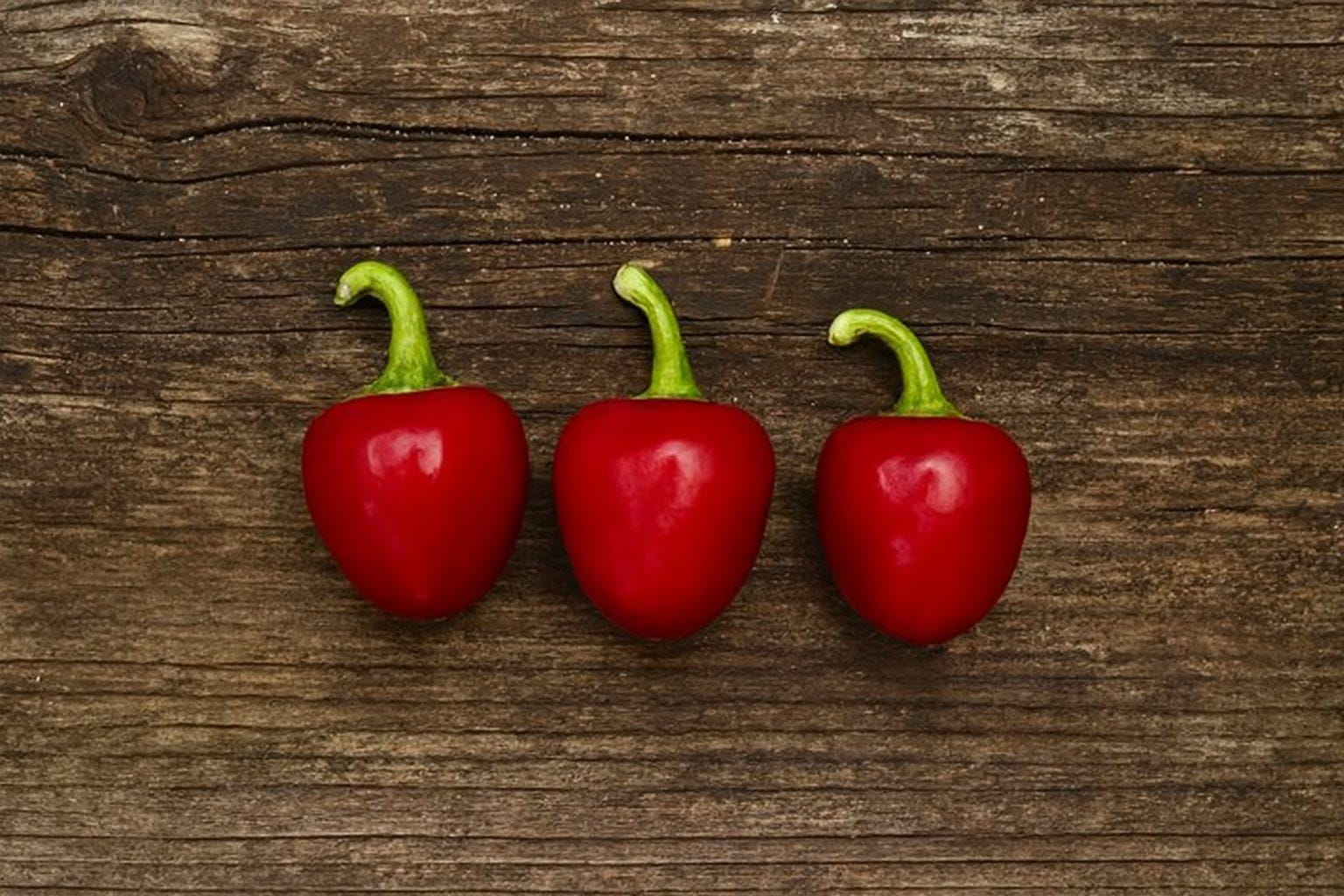
Bacio Di Satana, translated from Italian as “Satan’s Kiss,” is a rare heirloom chili cultivar revered for its compact size, bold heat, and traditional culinary applications. This variety, often mistaken for a cherry pepper due to its round shape and glossy red skin, delivers a surprisingly sharp bite that belies its playful appearance. Cultivated for generations in southern Italy, Bacio Di Satana has become a staple in regional kitchens, particularly in stuffed preparations and pickled assortments. Its thick flesh and moderate pungency make it ideal for grilling, fermenting, and preserving, while its high yield and ease of cultivation have earned it a loyal following among growers.
Cultivar Name: Bacio Di Satana
Species:Capsicum annuum
Common Names: Satan’s Kiss, Ciliegia Piccante, Cherry Bomb, Piccante Calabrese
Type: Heirloom
Origin & Lineage
Geographic Origin: Bacio Di Satana originates from southern Italy, particularly the regions of Calabria and Campania, where it has been cultivated for decades as part of the local culinary heritage. The pepper’s compact growth habit and high productivity made it a popular choice for small-scale farmers and home gardeners. Its ability to thrive in Mediterranean climates with minimal intervention has contributed to its widespread use across rural and urban gardens alike.
Cultural Significance: In Italian culinary tradition, Bacio Di Satana is most commonly used as a stuffed pepper, filled with mozzarella, anchovies, or cream cheese before being grilled or roasted. This preparation is deeply rooted in southern Italian cuisine, where bold flavors and simple ingredients are celebrated. The pepper’s name evokes both humor and reverence, suggesting a fiery kiss that leaves a lasting impression. While not tied to ritual use, it is often featured in festive meals and seasonal preserves, symbolizing warmth and abundance.
Lineage / Hybridizer History: As an open-pollinated heirloom, Bacio Di Satana does not have a single documented breeder. It is believed to have descended from regional cherry-type annuum peppers, selectively bred for thicker walls, higher heat, and improved yield. Over time, growers stabilized its round-conical shape and vivid red coloration. Though sometimes confused with ornamental varieties, this cultivar was developed for culinary use and remains genetically distinct from purely decorative strains.
Heat Profile
Scoville Rating (SHU):
40,000–50,000 SHU
Perceived Heat:
Hot (15,000 to 50,000 SHU)
Heat Characteristics:
The heat of Bacio Di Satana is immediate and concentrated, delivering a sharp sting that intensifies with each bite. Unlike superhots that build slowly, this cultivar strikes quickly, making it ideal for dishes that require a fast, assertive heat. Interestingly, the pepper loses some of its pungency as it matures and when cooked, with green pods being noticeably hotter than ripe red ones. This heat-loss phenomenon is atypical among annuum varieties and adds a layer of complexity to its culinary use.
Flavor Profile
Tasting Notes:
Bacio Di Satana offers a sweet, peppery flavor with subtle fruitiness and a neutral base. The thick flesh contributes to a satisfying crunch, while the heat provides a clean contrast to creamy or salty fillings.
Aftertaste / Finish:
A lingering warmth remains on the lips and tongue, accompanied by faint herbal and smoky notes. The finish is clean and does not overpower other ingredients, allowing it to blend seamlessly into complex dishes.
Ideal Pairings:
- Mozzarella and anchovy stuffing
- Grilled meats and vegetables
- Pickled antipasti platters
- Tomato-based sauces and relishes
- Cream cheese dips and spreads
Fruit Characteristics
Shape:
Round to round-conical, resembling a small tomato or cherry
Size:
Approximately 2–3 cm long, 2–3 cm diameter
Color Stages:
Immature: green → Ripe: bright red
Wall Thickness:
Thick
Texture & Skin:
Smooth and glossy with a firm, fleshy interior.
Plant Details
Growth Habit:
Bushy
Plant Height & Width:
Height: 60–70 cm
Width: 40–50 cm
Foliage:
Dark green, non-variegated, slightly pubescent
Flower Color:
White
Days to Maturity:
90–110 days from germination
Yield:
High – typically 60–100 pods per plant under optimal conditions.
Cultivation Information
Seed Count per Pack:
5 or 10 seeds (Presoaking Chilli Seeds)
Germination Time:
10–14 days (Germinating Chilli Seeds)
Optimal Germination Temp:
25–30°C (Essential guide to ideal temperatures and humidity for chilli seed germination)
Light Requirements:
Filtered sun
Soil Preferences:
- pH range: 6.0–6.8
- Well-draining loamy soil
- Enriched with compost and organic matter (Easy DIY soil mixes)
Storage Tips:
Store seeds in airtight containers in a cool, dry place. Refrigeration is recommended for long-term viability.
Notable Compounds
Capsaicinoid Content:
Contains capsaicin and dihydrocapsaicin, responsible for its pungency and metabolic effects
Volatile Flavor Compounds:
Trace levels of limonene and esters contribute to its mild fruitiness
Anthocyanins / Pigments:
Minimal anthocyanin expression; pigmentation is dominated by carotenoids in ripe fruit.
Culinary & Cultural Use
Traditional Uses:
- Stuffed with cheese or anchovies and grilled
- Pickled in vinegar brine for antipasti
- Dried and ground into chili powder
- Added to tomato sauces and marinades
Raw vs Cooked Flavor:
Raw pods deliver a crisp texture and sharp heat. Cooking—especially grilling or roasting—softens the flesh and reduces pungency, allowing sweetness and umami to emerge.
Regional Dishes:
- Peperoncini Ripieni alla Calabrese (stuffed hot peppers)
- Bacio Di Satana sott’olio (preserved in oil)
- Italian chili paste with garlic and herbs
Storage / Drying / Preserving Tips:
- Air-dry whole pods in a shaded, ventilated area until brittle
- Store dried pods in vacuum-sealed containers
- Pickle fresh pods in vinegar with garlic and oregano
- Freeze whole pods in airtight bags for up to 6 months


Reviews
There are no reviews yet.