

Description
Product Name: Amatrice Pepper
Cultivar Name: Amatrice
Species: Capsicum chinense
Common Names: Amatrice, Amatrice Fire, PDN × Bhut Hybrid
Type: Semi-Stable Hybrid
Origin & Lineage
Geographic Origin:
Developed through hybridization by independent breeders—likely in Europe or the Americas, though no formal breeder has claimed origin. The name “Amatrice” references the Italian town famed for pasta sauces, but the cultivar itself is a modern hybrid, not Italian in genetic origin.
Cultural Significance:
Amatrice is a collector-grade hybrid, known for its dark foliage, vibrant orange ripening, and superhot intensity. It’s favored by growers for its visual impact, culinary versatility, and experimental breeding potential.
Lineage / Breeder History
Parentage:
Bhut Jolokia × Pimenta de Neyde
Hybridizer:
Unknown
Selected Traits:
• Deep green to purple foliage
• Pods ripen from dark green/purple to vibrant orange
• Fruity aroma with floral undertones
• Superhot burn with clean finish
• High ornamental value
Stabilization Status:
Semi-stable. Expressed in F3–F5 generations. Phenotypic variation may occur in pod shape, color transition, and foliage pigmentation. Isolation recommended for seed saving.
Heat Profile
Scoville Rating (SHU): Estimated 800,000–1,000,000 SHU
Perceived Heat: Superhot
Heat Characteristics:
Intense, lingering burn with throat and sinus impact. Comparable to Bhut Jolokia and Pimenta Lisa. Heat onset is rapid, with a long tail and sweat-inducing intensity.
Flavor Profile
Tasting Notes:
Bright and fruity with hints of citrus, green apple, and floral spice. The flavor is layered, with a clean finish and minimal bitterness when fully ripe.
Aftertaste / Finish:
Lingering floral heat with subtle sweetness
Ideal Pairings:
• Tomato-based sauces and stews
• Pickled condiments for grilled meats
• Infused oils and vinegars
• Artisan hot sauces with citrus or herb bases
• Bean soups and legume dishes
Fruit Characteristics
Shape:
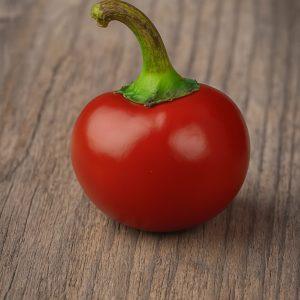
Tapered pods with slight curvature; occasional tail formation
Size:
4–6 cm long, 1.5–2 cm wide
Color Stages:
• Immature: Dark green to purple
• Mid-stage: Brownish blush
• Ripe: Vibrant orange with residual purple tones
Wall Thickness:
Medium
Texture & Skin:
Smooth to lightly wrinkled; glossy finish with firm flesh
Plant Details
Growth Habit:
Bushy and compact with moderate branching
Plant Height & Width:
Height: 60–90 cm
Width: 50–80 cm
Foliage:
Dark green to purple leaves depending on light exposure
Flower Color:
White with purple accents
Days to Maturity:
100–120 days from transplant
Yield:
Moderate — typically 40–70 pods per plant under optimal conditions
Plants are well-suited to container gardening, raised beds, and ornamental borders. Their compact form and vibrant fruit make them ideal for edible landscaping.
Cultivation Information
Seed Count per Pack: 10 seeds
Germination Time: 10–14 days (Germinating Chilli Seeds)
Optimal Germination Temp: 26–32°C (Essential guide to ideal temperatures and humidity for chilli seed germination)
Light Requirements: Filtered sun
Soil Preferences:
• pH: 6.0–6.5
• Rich, well-draining loam with compost (Easy DIY soil mixes)
• Benefits from calcium and potassium supplementation
Watering:
Maintain consistent moisture. Avoid waterlogging. Mulch to retain soil moisture.
Fertilization:
Apply balanced NPK fertilizer every 2–3 weeks. Supplement with magnesium and calcium during fruiting.
Support:
Staking optional; canopy remains compact
Pruning:
Pinch growing tips to encourage branching. Remove lower leaves to improve airflow.
Storage Tips:
Store seeds in a cool, dry place. Refrigeration at 4–8°C extends viability. Avoid humidity and light exposure.
Notable Compounds
Capsaicinoid Content:
High — primarily capsaicin and dihydrocapsaicin
Volatile Flavor Compounds:
Limonene, geraniol, and esters contribute to fruity aroma
Pigments:
Anthocyanins (purple), capsanthin (orange), beta-carotene
Nutritional Value:
High in vitamin C, antioxidants, and dietary fiber
Culinary & Cultural Use
Traditional Uses:
Modern hybrid with no historical culinary lineage. Used in artisan sauces, infused oils, and experimental dishes.
Raw vs Cooked Flavor:
Raw: Bright, fruity, and aromatic
Cooked: Mellowed sweetness with intensified citrus and floral notes
Regional Dishes:
• Amatrice-style tomato sauce with infused heat
• Pickled pods for antipasti and grilled meats
• Citrus-forward hot sauces with basil or oregano
• Bean soup with whole pod infusion
• Spicy oil for pasta and pizza
Storage / Drying / Preserving Tips:
• Medium walls dry well for powder or flakes
• Pickles well in vinegar or brine
• Can be frozen whole or sliced
• Suitable for oil infusions and fermented sauces



Reviews
There are no reviews yet.