

Description
Product Name: Aji Charapita X
Cultivar Name: Aji Charapita X
Species: Capsicum chinense
Common Names: Aji Charapita X
Type: Semi-Stable Hybrid
Origin & Lineage
Geographic Origin:
Aji Charapita X was first observed by Tony Lague in a grow-out of traditional Aji Charapita yellow landrace plants. The pollen donor remains unidentified, but the phenotype suggests introgression from a larger-fruited chinense cultivar. Its lineage traces back to the Amazonian regions of Loreto and Ucayali, Peru, where the original Charapita landrace is revered as a culinary and cultural staple.
Cultural Significance:
While the yellow Aji Charapita is considered the “mother of all chilis” in Peru, the red hybrid offers a modern reinterpretation with enhanced fruit size, deeper pigmentation, and intensified heat. It retains the berry-like charm and citrus aroma of its ancestor, while introducing a more assertive flavor profile suited to contemporary fusion cuisine.
Lineage / Hybridizer History
Parentage:
Spontaneous cross between Aji Charapita yellow and an unknown chinense pollen donor.
Hybridizer:
Unintentional cross discovered in open-pollinated grow by Tony Lague; stabilized through selection
Selected Traits:
• Larger, rounder pods than yellow Charapita
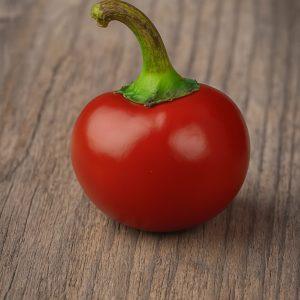
• Ripens to glossy crimson red
• Intensified fruitiness and heat
• High pod count per plant
• Semi-stable with minor phenotypic variation
Stabilization Status:
Semi-stable hybrid. Majority of plants express consistent traits, but occasional reversion or variation may occur. Not yet fully fixed.
Heat Profile
Scoville Rating (SHU): 40,000–65,000 SHU
Perceived Heat: Medium to hot
Heat Characteristics:
Sharper and more immediate than the yellow type. Heat builds quickly and lingers with a clean burn. Comparable to cayenne or Thai bird’s eye in intensity, but with a more aromatic finish.
Flavor Profile
Tasting Notes:
Fruity, floral, and citrus-forward with notes of red currant, hibiscus, and grapefruit zest. The red phenotype introduces a deeper sweetness and slightly smoky undertone compared to the yellow landrace.
Aftertaste / Finish:
Lingering warmth with a tangy, tropical finish. Slight bitterness in underripe pods.
Ideal Pairings:
• Peruvian ceviche with red onion and lime
• Tropical salsas with mango or pineapple
• Infused vinegars and spirits
• Finishing spice for rice, beans, and grilled meats
• Fermented sauces and chili pastes
Fruit Characteristics
Shape:
Round to slightly oblate, berry-like pods
Size:
0.6–0.8 cm diameter (larger than yellow Charapita)
Color Stages:
• Immature: Pale green
• Mid-stage: Orange-red
• Ripe: Glossy crimson red
Wall Thickness:
Thin
Texture & Skin:
Smooth, glossy skin with chewy, aqueous flesh. Ideal for fresh use, drying, and infusions.
Plant Details
Growth Habit:
Bushy and compact
Plant Height & Width:
Height: 60–90 cm
Width: 50–70 cm
Foliage:
Bright green, ovate leaves with dense canopy
Flower Color:
White with greenish-yellow corolla spots (typical of chinense)
Days to Maturity:
100–110 days from transplant
Yield:
Very high — up to 300 pods per plant under optimal conditions
Aji Charapita X is prolific and well-suited to container gardening, raised beds, and ornamental planting. Its compact form and vibrant fruit make it a standout in edible landscapes.
Cultivation Information
Seed Count per Pack: 10 seeds
Germination Time: 10–14 days (Germinating Chilli Seeds)
Optimal Germination Temp: 24–30°C (Essential guide to ideal temperatures and humidity for chilli seed germination)
Light Requirements: Full sun
Soil Preferences:
• pH: 6.2–7.0
• Rich, well-draining loam (Easy DIY soil mixes)
• Benefits from compost and potassium-rich feeding
Watering:
Maintain consistent moisture. Avoid waterlogging. Mulch to retain soil moisture and suppress weeds.
Fertilization:
Apply balanced NPK fertilizer every 3–4 weeks. Supplement with calcium and magnesium during fruiting.
Support:
Staking optional; canopy remains compact
Pruning:
Pinch growing tips to encourage branching. Remove lower leaves to improve airflow.
Storage Tips:
Store seeds in a cool, dry place. Refrigeration at 4–8°C extends viability. Avoid humidity and light exposure.
Notable Compounds
Capsaicinoid Content:
Moderate to high — primarily capsaicin and dihydrocapsaicin
Volatile Flavor Compounds:
Limonene, geraniol, and esters contribute to citrus aroma
Pigments:
Coloration driven by capsanthin, beta-carotene, and anthocyanins
Nutritional Value:
High in vitamin C, antioxidants, and dietary fiber
Culinary & Cultural Use
Traditional Uses:
Used in modern Peruvian and fusion cuisine for ceviche, sauces, and finishing spice. Also popular in gourmet infusions and fermented condiments.
Raw vs Cooked Flavor:
Raw: Bright, citrusy, and sharp
Cooked: Mellowed acidity with intensified sweetness and floral depth
Regional Dishes:
• Ceviche with red onion and lime
• Criolla salsa with lime juice and cilantro
• Infused vinegars and spirits
• Fermented chili pastes
• Garnish for tacos, rice, and grilled meats
Storage / Drying / Preserving Tips:
• Thin walls dry quickly for powder or flakes
• Can be frozen whole or sliced
• Suitable for oil infusions and fermented sauces
• Dried pods retain flavor for up to 6 months


Reviews
There are no reviews yet.