

Description
Product Name: Aji Challuaruro
Cultivar Name: Aji Challuaruro
Species: Capsicum baccatum
Common Names: Aji Challuaruro, Challuaruro Amarillo, Peruvian Rainbow Aji
Type: Heirloom Landrace
Origin & Lineage
Geographic Origin:
Aji Challuaruro is a rare heirloom cultivar from the high-altitude regions of Peru, where it has been cultivated for centuries in traditional Andean gardens. It belongs to the Capsicum baccatum species and is known for its spectacular color transitions, upright pod growth, and fruit-forward flavor.
Cultural Significance:
This cultivar is used in regional Peruvian cuisine, particularly in ceviche, pickled condiments, and fresh salsas. Its vibrant color progression and crisp texture have made it a favorite among collectors, chefs, and ornamental growers seeking both culinary and visual impact.
Lineage / Hybridizer History
Parentage:
Open-pollinated Peruvian landrace. No known hybridization.
Hybridizer:
None credited; maintained through generational seed saving
Selected Traits:
• Upright pods with conical shape
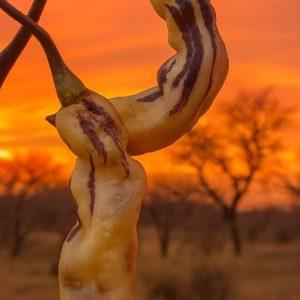
• Ripens through white, purple, orange, and red stages
• Crisp texture with citrus and apple notes
• Medium heat with clean finish
• High ornamental and culinary value
Stabilization Status:
Stable heirloom. True to type across generations. Minor variation may occur due to open pollination.
Heat Profile
Scoville Rating (SHU): 30,000–50,000 SHU
Perceived Heat: Medium
Heat Characteristics:
Aji Challuaruro delivers a bright, clean burn that builds gradually and fades quickly. The heat is concentrated in the placenta and inner walls, with minimal throat sting. It is suitable for intermediate palates and culinary use where flavor must balance heat.
Flavor Profile
Tasting Notes:
Sweet and fruity with notes of green apple, citrus zest, and melon rind. The flavor is clean and crisp, with a subtle floral lift and no bitterness.
Aftertaste / Finish:
Light citrus finish with a faint herbal undertone
Ideal Pairings:
• Fresh ceviche with lime and coriander
• Pickled rings for sandwiches and charcuterie
• Stir-fry with garlic and ginger
• Fermented sauces with tropical fruit
• Dried flakes for seasoning blends
Fruit Characteristics
Shape:
Conical pods with upright growth habit
Size:
Up to 15 cm long, 1.5–2 cm wide
Color Stages:
• Immature: White
• Mid-stage: Purple blush
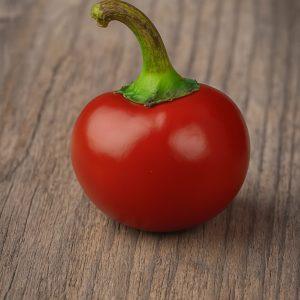
• Ripe: Orange to red
Wall Thickness:
Medium
Texture & Skin:
Smooth, glossy skin with crisp, juicy flesh. Ideal for fresh use, pickling, and drying.
Plant Details
Growth Habit:
Tall and bushy
Plant Height & Width:
Height: 120–150 cm
Width: 80–100 cm
Foliage:
Bright green, ovate leaves with open canopy
Flower Color:
White with greenish-yellow corolla spots (typical of baccatum)
Days to Maturity:
90–110 days from transplant
Yield:
High — typically 80–150 pods per plant under optimal conditions
Aji Challuaruro plants are vigorous and well-suited to container gardening, raised beds, and field cultivation. Their upright pods and color transitions make them ideal for edible landscaping and ornamental use.
Cultivation Information
Seed Count per Pack: 10 seeds
Germination Time: 10–20 days (Germinating Chilli Seeds)
Optimal Germination Temp: 26–32°C (Essential guide to ideal temperatures and humidity for chilli seed germination)
Light Requirements: Filtered sun
Soil Preferences:
• pH: 6.0–6.5
• Rich, well-draining loam (Easy DIY soil mixes)
• Benefits from compost and potassium-rich feeding
Watering:
Maintain consistent moisture. Avoid waterlogging. Mulch to retain soil moisture and suppress weeds.
Fertilization:
Apply balanced NPK fertilizer every 2–3 weeks. Supplement with calcium and magnesium during fruiting.
Support:
Staking recommended due to tall growth and heavy fruit load
Pruning:
Pinch growing tips to encourage branching. Remove lower leaves to improve airflow.
Storage Tips:
Store seeds in a cool, dry place. Refrigeration at 4–8°C extends viability. Avoid humidity and light exposure.
Notable Compounds
Capsaicinoid Content:
Moderate — primarily capsaicin and nordihydrocapsaicin
Volatile Flavor Compounds:
Limonene, geraniol, and esters contribute to fruity aroma
Pigments:
Coloration driven by anthocyanins (purple), capsanthin, and beta-carotene
Nutritional Value:
High in vitamin C, antioxidants, and dietary fiber
Culinary & Cultural Use
Traditional Uses:
Used in Peruvian cuisine for ceviche, pickles, and fresh sauces. Its crisp texture and color transitions make it ideal for raw applications and decorative plating.
Raw vs Cooked Flavor:
Raw: Crisp, fruity, and bright
Cooked: Mellowed sweetness with intensified citrus and floral notes
Regional Dishes:
• Ceviche with Aji Challuaruro and lime
• Pickled pepper rings with vinegar and garlic
• Stir-fried vegetables with sliced pods
• Fermented chili pastes with mango and onion
• Dried flakes for seasoning grilled meats
Storage / Drying / Preserving Tips:
• Medium walls dry well for powder or flakes
• Pickles beautifully in vinegar or brine
• Can be frozen whole or sliced
• Suitable for oil infusions and fermented sauces


Reviews
There are no reviews yet.