

Description
Product Name: Big Mustard Mama Chilli Seeds
Species: Capsicum chinense
Common Names: Big Mustard Mama
Type: Hybrid
Origin & Lineage
Geographic Origin: The Big Mustard Mama was bred in Louisiana, USA by Troy Primeaux, a horticulturist and musician known for developing some of the world’s hottest chilli cultivars. This variety is a color variant of the Big Black Mama, itself a hybrid of Naga Morich and Trinidad Douglah. The mustard phenotype was selected for its unique pigmentation and intense heat, and while some instability remains, the cultivar has gained popularity among superhot growers worldwide.
Cultural Significance: Though not tied to traditional culinary or ritual use, the Big Mustard Mama has earned a place in the modern chilli community as a benchmark for extreme heat and visual novelty. Its wrinkled, mustard-colored pods stand out in gardens and sauce bottles alike. It’s often grown by enthusiasts seeking high Scoville ratings and distinctive aesthetics, and it’s occasionally referenced in online forums as a precursor or cousin to other record-breaking superhots.
Lineage / Hybridizer History: Troy Primeaux developed the Big Mustard Mama as a variant of the Big Black Mama, which itself was a cross between Naga Morich and Trinidad Douglah. The mustard phenotype emerged through selective breeding and was stabilized over several generations. While some growers report occasional reversion to darker coloration, the mustard trait is now widely recognized and cultivated. There are some that believe Pepper X is derived from the Big Mustard Mama
Heat Profile
Scoville Rating (SHU):
1,000,000–1,600,000 SHU (estimated)
Perceived Heat: Superhot
Heat Characteristics: The heat builds rapidly, starting with a sharp sting on the tongue and spreading to the throat and sinuses. It’s a full-body experience, often accompanied by sweating, endorphin rush, and temporary numbness. The burn is long-lasting and can intensify over several minutes, making it unsuitable for casual consumption. This cultivar is best used in small quantities or processed into sauces where dilution is possible.
Flavor Profile
Tasting Notes: Before the heat overwhelms, the Big Mustard Mama offers earthy, slightly peppery notes with hints of citrus and green tea. The flavor is more pronounced when the pods are freshly harvested and deseeded.
Aftertaste / Finish: Lingering bitterness and astringency are common, especially in overripe pods. The finish is dominated by heat, but subtle smoky undertones may emerge when roasted.
Ideal Pairings:
- Fermented hot sauces with tropical fruit bases
- Infused oils and vinegars
- Spicy chutneys and relishes
- Extreme salsas and rubs for smoked meats
- Powdered blends for heat-forward seasoning
Fruit Characteristics
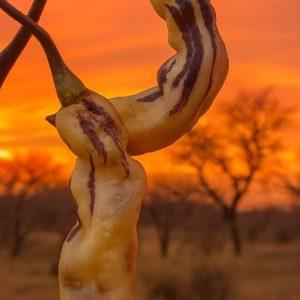
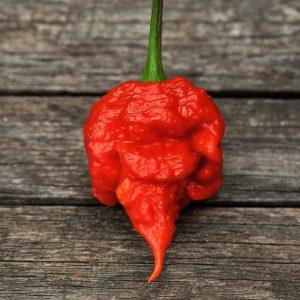
Shape: Large, wrinkled pods with irregular lobes and a tapered base
Size:
6–7 cm long, 3–4 cm diameter
Color Stages:
- Immature: Light green
- Ripe: Mustard yellow to olive green
- Overripe: May darken toward brown or reddish hues
Wall Thickness: Medium
Texture & Skin: Deeply wrinkled and blistered; skin is firm and slightly leathery
Plant Details
Growth Habit: Bushy and vigorous
Plant Height & Width:
Height: 80–120 cm
Width: 60–90 cm
Foliage: Dark green, slightly pubescent
Flower Color: White
Days to Maturity: 120–150 days from germination to harvest
Yield: Moderate – typically 20–40 pods per plant under optimal conditions
Cultivation Information
Seed Count per Pack: 10 seeds
Germination Time: 7–14 days (Germinating Chilli Seeds)
Optimal Germination Temp: 25–30°C (Essential guide to ideal temperatures and humidity for chilli seed germination)
Light Requirements: Filtered sun
Soil Preferences:
- pH: 6.0–6.8
- Well-draining loam or sandy soil
- Rich in compost or aged organic matter (Easy DIY soil mixes)
Storage Tips: Store seeds in airtight containers in a cool, dry place. For long-term storage, refrigeration at 4–8°C is recommended. Avoid exposure to humidity and direct light.
Notable Compounds
Capsaicinoid Content: High concentrations of capsaicin and dihydrocapsaicin; trace amounts of nordihydrocapsaicin and homocapsaicin may be present
Volatile Flavor Compounds: Limonene, hexanal, and trace amounts of pyrazines contribute to the earthy aroma
Anthocyanins / Pigments: Minimal anthocyanin expression; mustard coloration likely due to carotenoid dominance (e.g., lutein, violaxanthin)
Culinary & Cultural Use
Traditional Uses: None documented; this is a modern cultivar bred for extreme heat and novelty
Raw vs Cooked Flavor: Raw pods are intensely hot and bitter. Cooking—especially roasting or fermenting—can mellow the bitterness and enhance the earthy undertones. Fermentation also helps stabilize the flavor and reduce harshness.
Regional Dishes:
- Louisiana-style fermented sauces
- Caribbean pepper mash blends
- South African fusion sauces with mango and vinegar
- Indian-style pickles (achar) with mustard oil and fenugreek
Storage / Drying / Preserving Tips:
- Best preserved via fermentation or dehydration
- Drying should be done at low temperatures to retain color and potency
- Powdered form is ideal for long-term storage and controlled dosing

Reviews
There are no reviews yet.