
Description
Product Name: Rouge Noir
Cultivar Name: Rouge Noir
Species: Capsicum chinense
Common Names: None formally recognized
Type: Hybrid
Origin & Lineage
Geographic Origin:
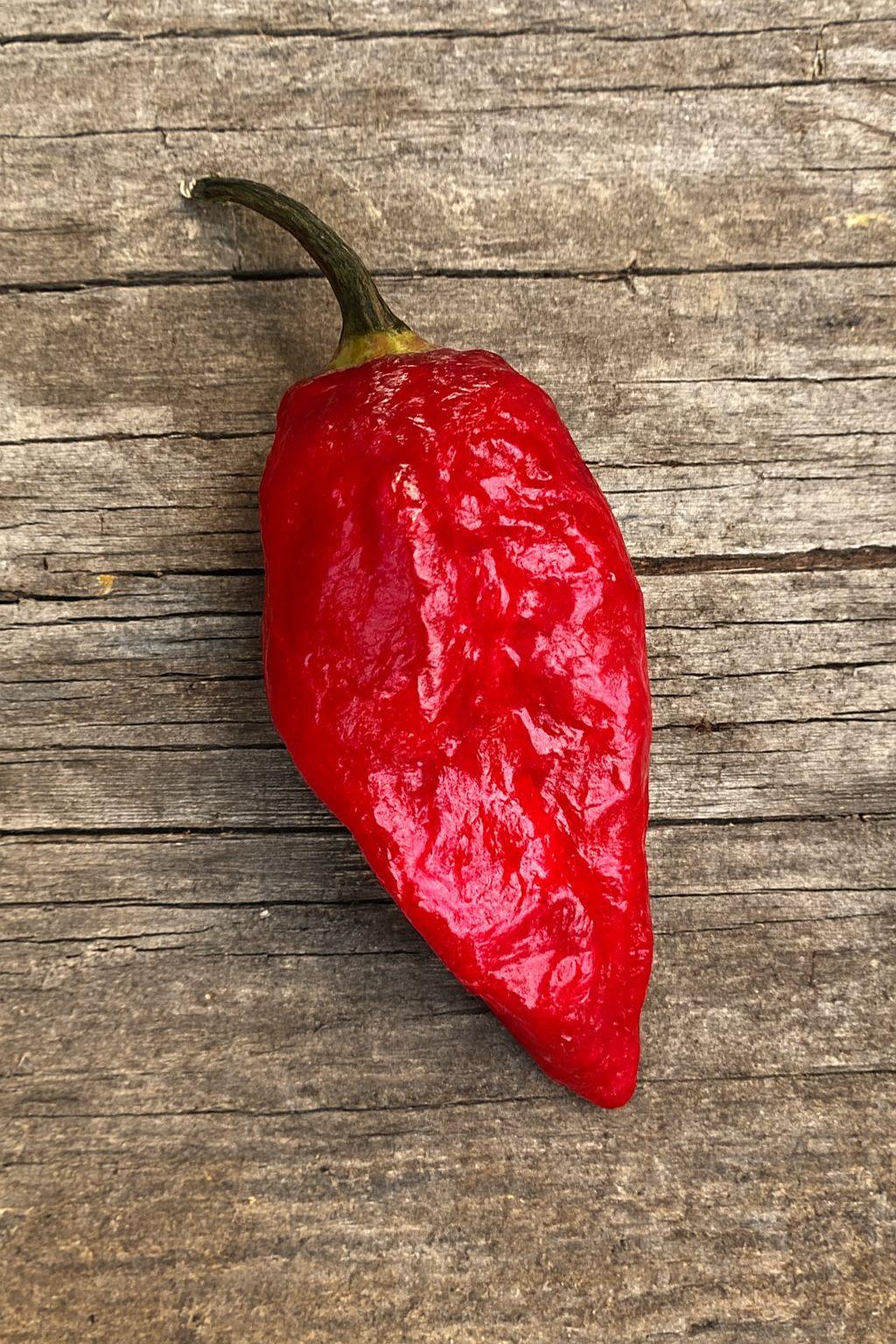
Rouge Noir is a rare chilli cultivar originating in Italy. It belongs to the Capsicum chinense species, which is globally recognized for producing some of the hottest peppers. The name “Rouge Noir” reflects its striking appearance: pods ripen into vivid red fruits with mysterious black undertones, creating a dramatic contrast that has made it popular among collectors and chilli enthusiasts.
Cultural Significance:
While not tied to centuries of folklore like Peruvian ají varieties, Rouge Noir has gained cultural significance among European growers and chilli hobbyists. Its ornamental qualities make it a centerpiece in gardens, while its culinary use is valued in experimental kitchens. The dual coloration symbolizes intensity and mystery, often celebrated in chilli festivals and niche culinary circles.
Lineage / Hybridizer History:
Rouge Noir is considered an unstable heirloom line. It has connections to other Capsicum chinense superhots, with traits reminiscent of Bhut Jolokia and PDN (Pimenta de Neyde). The instability means growers may observe variation in pod shape and color, a characteristic that appeals to collectors seeking unique phenotypes.
Heat Profile
Scoville Rating (SHU):
Estimated between 150,000 and 300,000 SHU
Perceived Heat:
Extremely Hot (150,000 to 500,000 SHU)
Heat Characteristics:
The burn is sharp and immediate, spreading across the palate with intensity. Unlike smoother baccatum varieties, Rouge Noir delivers a fierce chinense heat that lingers. The sensation is often described as searing, with a slow fade that can last several minutes
Flavor Profile
Tasting Notes:
Despite its heat, Rouge Noir offers fruity undertones with subtle earthy notes.
Aftertaste / Finish:
Lingering warmth with a slightly smoky, bitter edge.
Ideal Pairings:
- Fermented sauces with mango or apricot
- Roasted garlic and tomato-based salsas
- Caribbean-style jerk rubs
- Pickled pepper medleys with vinegar and herbs
- Infused oils for grilled vegetables and meats
Fruit Characteristics
Shape:
Tapered and slightly twisted; often with a pointed tip
Size:
4–5 cm long, 2 cm diameter
Color Stages:
Immature: deep purple/black → Intermediate: mottled brown → Ripe: deep red
Wall Thickness:
Medium
Texture & Skin:
Wrinkled and semi-blistered; surface may appear glossy or matte depending on ripeness
Plant Details
Growth Habit:
Bushy
Plant Height & Width:
Height: 80–100 cm
Width: 60–80 cm
Foliage:
Dark purple to black; high anthocyanin concentration; slightly pubescent
Flower Color:
White with purple accents
Days to Maturity:
100–120 days from germination
Yield:
Moderate – typically 50–80 pods per plant under optimal conditions
Cultivation Information
Seed Count per Pack:
5 or 10 seeds (Presoaking Chilli Seeds)
Germination Time:
7–14 days (Germinating Chilli Seeds)
Optimal Germination Temp:
25–30°C (Essential guide to ideal temperatures and humidity for chilli seed germination)
Light Requirements:
Filtered sun
Soil Preferences:
- pH: 6.0–6.8
- Well-draining loamy soil
- Rich in compost and organic matter (Easy DIY soil mixes)
Storage Tips:
Store seeds in airtight containers in a cool, dry place. Refrigeration is recommended for long-term viability. Avoid exposure to moisture and direct sunlight.
Notable Compounds
Capsaicinoid Content:
High concentrations of capsaicin and dihydrocapsaicin; responsible for rapid onset and sustained burn
Volatile Flavor Compounds:
Limonene and citral contribute to fruity aroma; trace vanillin may enhance sweetness
Anthocyanins / Pigments:
High anthocyanin content responsible for purple foliage and immature pod coloration; carotenoids dominate in ripening phase, producing orange hue
Culinary & Cultural Use
Traditional Uses:
Rouge Noir is not tied to traditional cuisine but is embraced in modern hot sauce production and experimental gastronomy.
Raw vs Cooked Flavor:
Raw pods deliver a crisp texture and bright fruitiness with immediate heat. Roasting enhances sweetness and adds depth, while pickling preserves the pod’s texture and introduces acidity. Fermentation deepens umami notes and softens the burn, making it ideal for aged sauces.
Regional Dishes:
- Artisan hot sauces in Italy and Europe
- Extreme chilli pastes used in fusion cuisine
- Spicy marinades for grilled meats
Storage / Drying / Preserving Tips:
- Air-drying recommended for preserving flavor and heat
- Oven drying below 50°C retains volatile compounds
- Fermentation in salt brine enhances complexity and shelf life
- Pickling in vinegar with garlic and herbs preserves both heat and aesthetics
- Freezing suitable for short-term use, though texture may degrade



Reviews
There are no reviews yet.