
Description
Product Name: Murasaki Purple
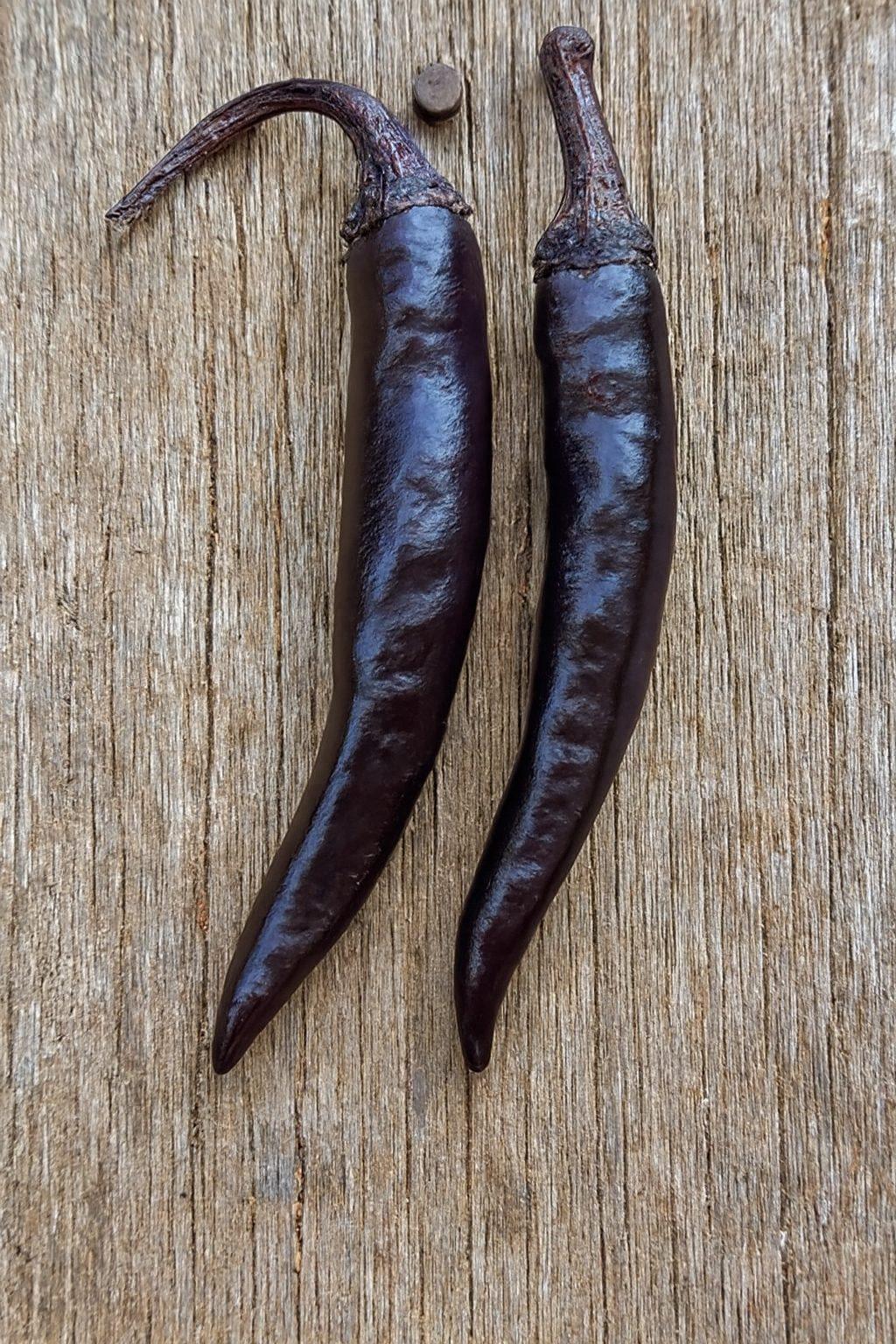
Murasaki Purple is a visually arresting, sweet-fruited Capsicum annuum cultivar revered for its ornamental elegance and culinary versatility. This heirloom pepper, native to Japan’s Nara Prefecture, is distinguished by its deep purple stems, flowers, and pods that transition through a dramatic color spectrum before ripening to red. Despite its fiery appearance, Murasaki Purple is entirely heatless, making it suitable for a wide range of palates and preparations. Its crisp texture, rich pigmentation, and compact growth habit have earned it a place in both home gardens and gourmet kitchens, where it is celebrated for its flavor, nutritional value, and aesthetic appeal.
- Cultivar Name: Murasaki Purple
- Species: Capsicum annuum
- Common Names: Murasaki Togarashi, Nara Murasaki
- Type: Heirloom
Origin & Lineage
Geographic Origin:
Murasaki Purple originates from the Nara Prefecture in Japan, a region known for its historical cultivation of heirloom vegetables. The pepper has been grown for centuries in local gardens and small farms, where it was selected for its ornamental traits and culinary mildness. “Murasaki” translates to “purple” in Japanese, a reference to the cultivar’s striking pigmentation. Though rarely found outside Japan, it has recently gained international attention through specialty seed distributors and culinary showcases.
Cultural Significance:
In Japanese horticulture, Murasaki Purple is valued not only for its culinary applications but also for its symbolic and aesthetic qualities. The plant’s purple hues are associated with nobility and seasonal change, making it a popular choice for decorative plantings during summer and autumn. Traditionally, the peppers have been used in light stir-fries, pickled preparations, and raw garnishes, especially in Kyoto-style cuisine where visual presentation is paramount. The cultivar’s heatless nature allows it to be incorporated into dishes without overpowering delicate flavors, making it suitable for children and elders alike.
Lineage / Hybridizer History:
As an heirloom variety, Murasaki Purple has no single documented breeder. It is believed to have been stabilized through generations of open-pollination and careful selection by Japanese farmers. Its phenotypic traits—upright growth, purple stems, and color-shifting pods—suggest influence from other ornamental annuum lines, though its exact genetic lineage remains undocumented. The cultivar has been introduced to Western markets by seed companies such as Baker Creek and Specialty Produce, where it is grown as an annual in frost-prone regions and as a perennial in subtropical zones.
Heat Profile
Scoville Rating (SHU):
0 SHU
Perceived Heat:
Sweet (0 to 50 SHU)
Heat Characteristics:
Murasaki Purple is entirely heatless, making it one of the few annuum cultivars that can be consumed raw without any pungency. The absence of capsaicinoids allows the pepper’s natural sweetness and vegetal notes to shine, making it ideal for fresh salads, decorative platters, and mild pickled blends. Its crisp texture and juicy flesh provide a refreshing contrast to spicier ingredients when used in mixed dishes.
Flavor Profile
Tasting Notes:
The flavor of Murasaki Purple is mild, sweet, and slightly grassy, with a crisp bite that holds up well in both raw and lightly cooked applications. When harvested at the purple stage, the pods offer a firmer texture and a subtle vegetal tang. As they ripen to red, the sweetness intensifies, and the flavor deepens, making them suitable for roasting and sautéing.
Aftertaste / Finish:
The finish is clean and refreshing, with no bitterness or lingering pungency. When grilled or roasted, the sugars caramelize slightly, adding a faint smokiness and enhancing the pepper’s natural sweetness.
Ideal Pairings:
- Fresh salads with citrus vinaigrette
- Pickled blends with rice vinegar and ginger
- Stir-fries with sesame oil and tofu
- Roasted vegetable medleys
- Decorative garnishes for sushi and bento boxes
Fruit Characteristics
Shape:
Elongated, straight to slightly curved, tapering to a rounded point
Size:
15–20 cm long, 2–3 cm diameter
Color Stages:
- Immature: green
- Transition: deep purple to black
- Ripe: bright red
Wall Thickness:
Medium
Texture & Skin:
Smooth, glossy, and waxy; skin is firm and resistant to cracking.
Plant Details
Growth Habit:
Compact and upright
Plant Height & Width:
60–90 cm tall, 45–60 cm wide
Foliage:
Purple-hued stems and veins; dark green leaves with slight pubescence
Flower Color:
Purple with lavender corolla
Days to Maturity:
70–75 days from transplanting
Yield:
Moderate – typically 40–60 pods per plant under optimal conditions.
Cultivation Information
Seed Count per Pack:
5 or 10 seeds (Presoaking Chilli Seeds)
Germination Time:
7–14 days (Germinating Chilli Seeds)
Optimal Germination Temp:
25–30°C (Essential guide to ideal temperatures and humidity for chilli seed germination)
Light Requirements:
Filtered sun
Soil Preferences:
Well-drained loamy soil with pH between 6.0 and 7.0; enriched with compost or aged manure (Easy DIY soil mixes)
Storage Tips:
Store seeds in airtight containers in a cool, dry place. Silica gel packets may be used to reduce humidity and extend viability.
Notable Compounds
Capsaicinoid Content:
None detected; Murasaki Purple is a non-pungent cultivar
Volatile Flavor Compounds:
Trace amounts of limonene and aldehydes contribute to its fresh aroma, especially when harvested at the purple stage
Anthocyanins / Pigments:
High anthocyanin expression is responsible for the deep purple coloration in stems, flowers, and immature pods. These pigments offer antioxidant and anti-inflammatory benefits.
Culinary & Cultural Use
Traditional Uses:
Murasaki Purple is traditionally used in Japanese home cooking, especially in dishes that emphasize visual presentation and mild flavor. It is often sliced thin for salads, pickled in rice vinegar, or lightly sautéed with tofu and seasonal vegetables. Its ornamental appeal also makes it a popular choice for garnishing sushi and bento boxes.
Raw vs Cooked Flavor:
Raw pods deliver a crisp, sweet flavor with a refreshing finish. Cooking enhances the sweetness and introduces a mild smokiness. Pickling softens the texture and adds tang, while fermentation deepens the flavor and introduces umami complexity.
Regional Dishes:
- Nara-style tsukemono (pickled vegetables)
- Stir-fried yasai itame with soy and sesame
- Sushi garnishes and decorative bento toppings
- Roasted pepper and miso side dishes
- Japanese-style chili jam (non-spicy)
Storage / Drying / Preserving Tips:
- Air-dry whole pods in shaded, ventilated areas to preserve color and texture
- Slice and dehydrate for faster drying and powder production
- Pickle in rice vinegar with ginger and garlic for extended shelf life
- Ferment with salt and koji for mild chili paste
- Vacuum seal dried pods to prevent oxidation and flavor degradation



Reviews
There are no reviews yet.