
Description
Product Name: Pimenta Lisa
Cultivar Name: Pimenta Lisa
Species: Capsicum chinense
Common Names: None
Type: Hybrid
Origin & Lineage
Geographic Origin:
Pimenta Lisa is a rare and visually striking hybrid developed in the Netherlands. Though its cultivation has spread globally, its origin traces back to European breeding programs focused on combining ornamental foliage with superhot fruit traits. The cultivar is now grown in regions including South Africa, Germany, and the United Kingdom, where it has gained traction among collectors and specialty growers.
Cultural Significance:
While Pimenta Lisa does not possess traditional ritual or folkloric significance, it has become a prized cultivar in modern chili enthusiast circles. Its dramatic pigmentation and high heat have earned it a place in boutique hot sauce production and ornamental gardening. The plant’s dark foliage and purple-to-white fruit transition are often celebrated in online forums and seed exchanges, where growers document its aesthetic and culinary versatility. In contemporary kitchens, it is used sparingly to elevate sauces, rubs, and fermented preparations.
Lineage / Hybridizer History:
Pimenta Lisa is a stabilized hybrid created by Dutch breeder Stefan Van Gelder. It is a cross between Pimenta da Neyde—known for its dark foliage and purple pods—and Bhut Jolokia, a legendary superhot cultivar from India. Some sources speculate that Habanero White may have contributed to its lineage, though the dominant traits suggest Bhut Jolokia as the primary parent. The hybrid was first circulated in European chili forums around 2017 and has since undergone multiple generations of refinement. Despite its popularity, it is still considered genetically unstable by some growers, with occasional phenotypic variation in pod shape and color.
Heat Profile
Scoville Rating (SHU): Estimated between 300,000–500,000 SHU
Perceived Heat: Superhot
Heat Characteristics:
Pimenta Lisa delivers an intense, fast-building heat that lingers long after consumption. The burn begins at the tip of the tongue and spreads across the palate, often described as sharp and penetrating. Unlike smoother superhots, its heat profile is abrupt and aggressive, making it suitable for experienced consumers. The pungency is concentrated in the placenta and inner walls, with visible yellow oil often observed during slicing—a sign of high capsaicinoid content.
Flavor Profile
Tasting Notes:
The flavor is notably fruity, with hints of mango and lychee reported by growers. It opens with a bright, tropical sweetness that quickly gives way to intense heat. The aroma is clean and slightly floral, though not overpowering.
Aftertaste / Finish:
The finish is warm and lingering, with a subtle bitterness that complements its fruit-forward opening. When dried or roasted, the flavor deepens, revealing earthy and smoky undertones.
Ideal Pairings:
Pimenta Lisa pairs well with:
- Fermented chili pastes and hot sauces
- Tropical fruit chutneys
- Grilled meats and game
- Pickled vegetables and relishes
Fruit Characteristics
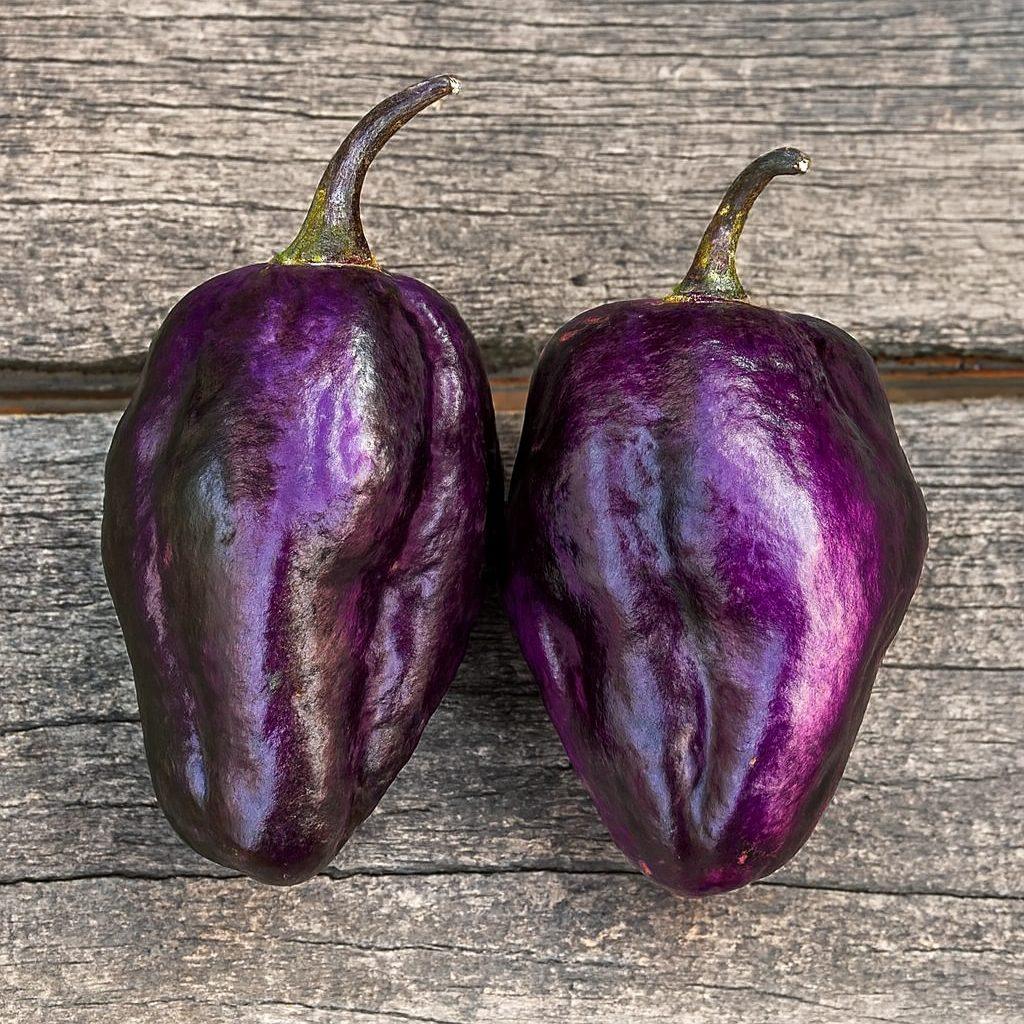
Shape: Elongated, slightly wrinkled pods with tapered ends
Size: Approximately 4–5 cm long, 1.5–2 cm diameter
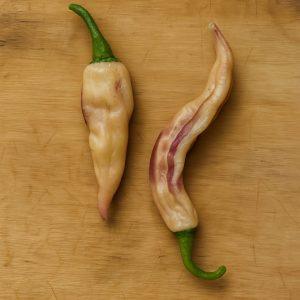
Color Stages: Immature: deep purple → Ripe: pale yellow with residual purple streaks
Wall Thickness: Medium
Texture & Skin: Slightly wrinkled with a glossy finish.
Plant Details
Growth Habit: Bushy to tall, depending on pruning and container size
Plant Height & Width: 100–120 cm tall, 60–80 cm wide
Foliage: Dark green to nearly black, pubescent
Flower Color: White with purple streaks
Days to Maturity: 100–120 days from transplant
Yield: Moderate – typically 40–60 pods per plant under optimal conditions.
Cultivation Information
Seed Count per Pack: 5 or 10 seeds (Presoaking Chilli Seeds)
Germination Time: 10–14 days (Germinating Chilli Seeds)
Optimal Germination Temp: 25–30°C (Essential guide to ideal temperatures and humidity for chilli seed germination))
Light Requirements: Filtered sun
Soil Preferences: Well-draining soil with pH 6.2–6.8, enriched with compost and perlite (Easy DIY soil mixes)
Storage Tips: Store seeds in airtight containers in a cool, dry place. Avoid exposure to humidity and direct sunlight to preserve viability for up to 24 months.
Notable Compounds
Capsaicinoid Content:
High concentrations of capsaicin and dihydrocapsaicin are present, contributing to its superhot classification. These compounds are responsible for the intense burn and are most concentrated in the placenta and surrounding tissues.
Volatile Flavor Compounds:
While specific studies on Pimenta Lisa are limited, similar Capsicum chinense varieties contain limonene, vanillin, and esters that contribute to fruity and floral notes.
Anthocyanins / Pigments:
The deep purple coloration in immature pods and foliage is attributed to anthocyanins, particularly delphinidin and cyanidin. These pigments are expressed strongly in early growth stages and fade as the fruit ripens to pale yellow.
Culinary & Cultural Use
Traditional Uses:
Although not tied to traditional recipes, Pimenta Lisa is increasingly used in:
- Ají-style sauces
- Fermented chili pastes
- Salsas and chutneys
- Dry rubs and spice blends
Raw vs Cooked Flavor:
Raw pods offer a crisp texture and bright, fruity flavor with immediate heat. Cooking—especially roasting or grilling—enhances sweetness and introduces smoky undertones. Pickling preserves both color and heat, adding tangy complexity.
Regional Dishes:
Pimenta Lisa has been featured in:
- South African-style peri-peri sauces
- Caribbean-inspired fruit salsas
- Korean-style fermented chili pastes
- Mexican escabeche with tropical fruit infusions
Storage / Drying / Preserving Tips:
To preserve flavor and color:
- Air-dry pods in a shaded, ventilated area
- Use dehydrators at low heat (below 45°C)
- Store dried pods in vacuum-sealed bags
- For fermentation, combine with garlic, salt, and vinegar in sterilized jars


Reviews
There are no reviews yet.