
Description
Purple Fatalii
Product Name: Purple Fatalii
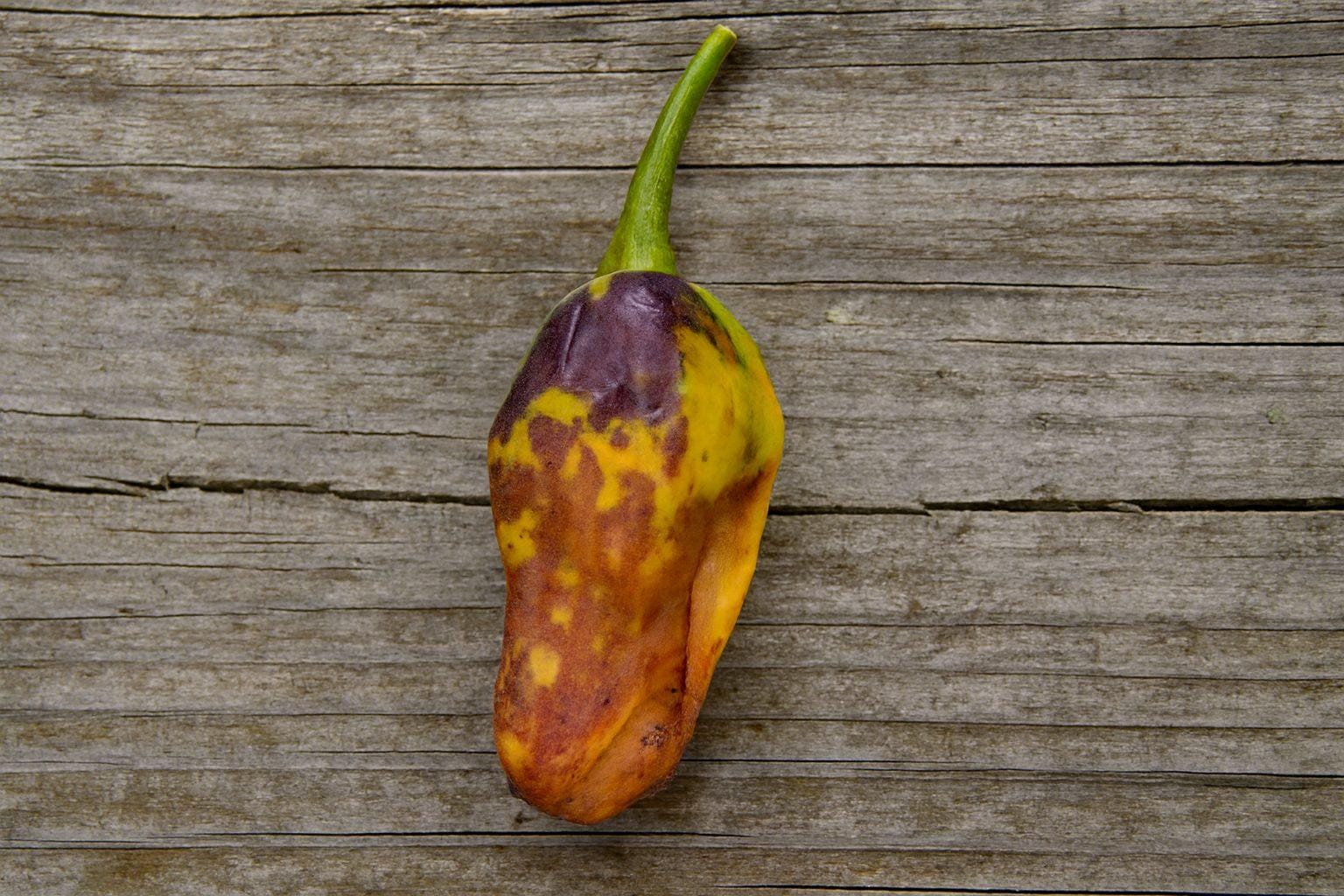
Purple Fatalii is a visually arresting and intensely flavorful chilli cultivar within the Capsicum chinense species. This hybrid variant of the classic Fatalii pepper showcases a deep purple hue during early ripening stages, transitioning to dark red or burgundy at full maturity. While retaining the citrus-forward profile and searing heat of its African heirloom ancestor, Purple Fatalii introduces ornamental appeal and subtle floral undertones. It is prized by growers for its striking foliage, reliable productivity, and culinary versatility. Though not fully stabilized, this cultivar is gaining traction among collectors and chefs alike for its bold aesthetic and complex flavor.
Cultivar Name: Purple Fatalii
Species: Capsicum chinense
Common Names: Purple Fatalii, Fatalii Purple Variant
Type: Hybrid
Origin & Lineage
Geographic Origin:
The original Fatalii pepper is an African heirloom, native to Central and Southern Africa, particularly the Central African Republic. It was developed from Capsicum chinense strains introduced to Africa from Central and South America during the 15th and 16th centuries. The Purple Fatalii variant, however, is a more recent hybrid, likely developed in Europe or North America through selective breeding of colored Fatalii strains. Its exact geographic origin remains undocumented, but it is distributed globally through specialty seed vendors.
Cultural Significance:
Fatalii peppers have long been used in African cuisine, particularly in sauces, stews, and fermented condiments. Their intense heat and citrus flavor made them ideal for pairing with root vegetables, legumes, and grilled meats. While the Purple Fatalii does not carry traditional ritual significance, its parent cultivar has been used medicinally to treat respiratory ailments and digestive issues. In contemporary culinary circles, Purple Fatalii is celebrated for its dramatic appearance and is often used as a garnish or centerpiece in gourmet dishes.
Lineage / Hybridizer History:
The Purple Fatalii is a hybrid derivative of the yellow Fatalii, selectively bred for pigmentation and ornamental traits. Although the precise breeder remains unidentified, the cultivar is believed to be in its F4–F5 generation, with ongoing stabilization efforts. It may have been crossed with purple-pigmented Capsicum chinense lines such as Black Naga or Purple Ghost to introduce anthocyanin expression. The cultivar is considered uncommon and semi-stable.
Heat Profile
Scoville Rating (SHU): 125,000–400,000 SHU
Perceived Heat: Extremely Hot (150,000 to 500,000 SHU)
Heat Characteristics:
Purple Fatalii delivers a rapid, front-loaded burn that targets the tongue and nasal passages. The heat onset is immediate, often described as a “sting” rather than a slow build. It intensifies quickly and then fades, leaving behind a residual warmth. Compared to habanero-type peppers, the burn is cleaner and more citrus-driven. When dried, the heat becomes more concentrated and smoky, making it ideal for powdered spice blends and infused oils.
Flavor Profile
Tasting Notes:
Bright citrus notes dominate, with hints of lemon zest, lime, and underripe mango. A subtle floral undertone emerges in the purple variant, possibly due to anthocyanin-linked compounds. The flavor is crisp and slightly earthy, with less sweetness than Scotch Bonnet or Habanero.
Aftertaste / Finish:
The finish is dry and slightly bitter, with lingering citrus oils and a faint metallic edge. Roasting softens the bitterness and enhances the fruitiness, while fermentation deepens the umami profile.
Ideal Pairings:
- Citrus-based hot sauces and marinades
- Pineapple and mango chutneys
- Grilled chicken and white fish
- Pickled vegetables and escabeche
- Tropical fruit jams and jellies
Fruit Characteristics
Shape: Elongated, tapered pods with slight wrinkling
Size: 5–7 cm long, 2–2.5 cm diameter
Color Stages:
- Immature: deep purple
- Ripe: dark red to burgundy
Wall Thickness: Thin
Texture & Skin: Semi-wrinkled, glossy, firm
Plant Details
Growth Habit: Bushy
Plant Height & Width: 60–90 cm tall, 50–70 cm wide
Foliage: Dark green to purple-tinged, slightly pubescent
Flower Color: White with purple streaks
Days to Maturity: 100–130 days from germination
Yield: Moderate – typically 60–100 pods per plant under optimal conditions
Cultivation Information
Seed Count per Pack: 5 or 10 seeds (Presoaking Chilli Seeds)
Germination Time: 7–14 days (Germinating Chilli Seeds)
Optimal Germination Temp: 25–30°C (Essential guide to ideal temperatures and humidity for chilli seed germination)
Light Requirements: Filtered sun
Soil Preferences:
- pH: 6.2–6.8
- Well-drained loamy soil
- High organic matter content (Easy DIY soil mixes)
Storage Tips:
Store seeds in airtight containers in a cool, dry place. Refrigeration at 4–8°C is recommended. Avoid exposure to humidity and direct sunlight.
Notable Compounds
Capsaicinoid Content:
- Capsaicin
- Dihydrocapsaicin
These compounds contribute to Purple Fatalii’s pungency and may offer anti-inflammatory and metabolic benefits.
Volatile Flavor Compounds:
- Limonene (citrus aroma)
- Geraniol (floral notes)
- Trace vanillin (sweetness in dried pods)
Anthocyanins / Pigments:
The purple coloration is attributed to anthocyanins, particularly delphinidin and cyanidin derivatives. These pigments are expressed in the fruit’s skin and foliage, especially under cooler temperatures and high UV exposure.
Culinary & Cultural Use
Traditional Uses:
While the purple variant is not traditionally used, its parent Fatalii is a staple in African hot sauces, stews, and fermented pastes. It is often paired with root vegetables and legumes in traditional dishes.
Raw vs Cooked Flavor:
Raw pods deliver a sharp, citrusy bite with immediate heat. Cooking enhances sweetness and reduces bitterness. Roasting brings out smoky undertones, while pickling preserves the color and adds tang.
Regional Dishes:
- Pineapple-Fatalii BBQ sauce
- Citrus hot sauce with lime and garlic
- Fatalii-infused craft beer (e.g., Fatali Four by Upright Brewing)
- Mango-Fatalii chutney
- Fatalii pepper jelly
Storage / Drying / Preserving Tips:
- Air-dry in shaded, ventilated areas
- Use dehydrators at 45–50°C for consistent drying
- Store dried pods in glass jars with desiccant packs
- Pickle in vinegar with garlic and herbs
- Freeze whole pods for up to 6 months



Reviews
There are no reviews yet.