
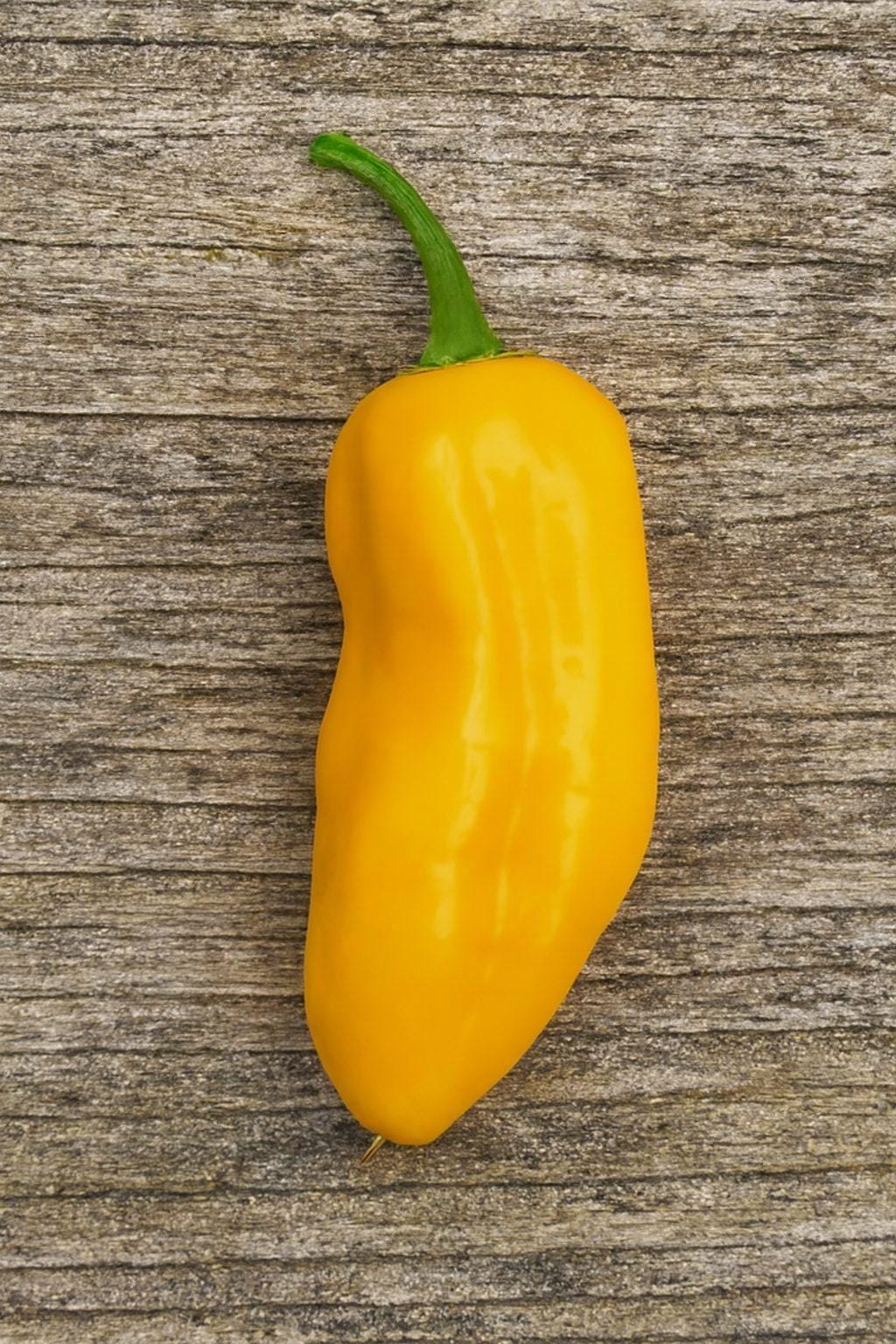
Description
Fatalii x
Product Name: Fatalii x
Cultivar Name: Fatalii x
Species: Capsicum chinense
Common Names: None formally recognized
Type: Hybrid
Origin & Lineage
Geographic Origin:
This hybrid was first observed by Tony Lague in a controlled grow-out of Fatalii peppers, where an unknown pollen donor contributed to the cross. The maternal parent, Fatalii, is an African heirloom cultivar originally developed in Central and Southern Africa from Capsicum chinense varieties introduced from the Americas during the 15th and 16th centuries. The pollen donor remains unidentified, though phenotypic traits suggest possible influence from other chinense superhots such as Bhut Jolokia or Scotch Bonnet.
Cultural Significance:
While the Fatalii parent carries cultural weight as an African heirloom, this hybrid does not yet hold traditional culinary or ritual significance. However, it has become a point of interest among chili breeders and collectors due to its unpredictable traits and potential for flavor innovation. The citrus-forward profile inherited from Fatalii has made it a candidate for experimental sauces and fruit-based fermentations. In contemporary chili culture, such hybrids are often celebrated for their novelty and potential to diversify the Capsicum chinense gene pool.
Lineage / Hybridizer History:
The maternal parent, Fatalii, is well-documented and known for its citrus flavor and intense heat. The pollen donor remains unknown, though the hybrid exhibits traits such as increased pod size, deeper wrinkling, and a more prolonged burn—suggesting influence from superhot varieties. The cross was likely accidental, occurring in an open-pollinated grow-out. The resulting seeds were saved and propagated by hobbyist growers, with stabilization efforts ongoing. As of now, the cultivar is considered semi-stable, with some variation in pod shape and color across generations.
Heat Profile
Scoville Rating (SHU):
Estimated between 250,000 and 500,000 SHU
Perceived Heat:
Extremely Hot (150,000 to 500,000 SHU)
Heat Characteristics:
The burn begins quickly, similar to the Fatalii parent, and intensifies over 30 to 60 seconds. It is felt primarily on the tongue and palate, with secondary effects in the throat and sinuses. The heat is sharp and persistent, often described as “clean” rather than smoky. When dried, the heat becomes more concentrated and may exceed the upper estimate of 500,000 SHU depending on growing conditions.
Flavor Profile
Tasting Notes:
The flavor opens with bright citrus notes—lemon and lime dominate—followed by a subtle floral undertone. There is a faint earthiness that may be attributed to the unknown pollen donor. The flavor is most pronounced in fresh pods and diminishes slightly when dried.
Aftertaste / Finish:
The finish is long and warming, with residual citrus and a mild bitterness. The heat lingers but does not overwhelm the palate, allowing the fruitiness to remain detectable even after the burn subsides.
Ideal Pairings:
- Citrus-based hot sauces
- Pineapple or mango chutneys
- Grilled seafood marinades
- Fermented chili pastes with tropical fruit
- Pickled pepper blends with garlic and ginger
Fruit Characteristics
Shape:
Elongated and tapered; occasionally curved with slight tailing
Size:
4–5 cm long, 2 cm diameter
Color Stages:
Immature: pale green → Ripe: bright yellow or orange (some phenotypes may ripen to red)
Wall Thickness:
Medium
Texture & Skin:
Wrinkled and semi-blistered; surface may appear glossy or matte depending on ripeness
Plant Details
Growth Habit:
Bushy
Plant Height & Width:
Height: 90–120 cm
Width: 60–80 cm
Foliage:
Dark green, slightly pubescent
Flower Color:
White with faint purple streaks
Days to Maturity:
100–120 days from germination to harvest
Yield:
Moderate – typically 50–80 pods per plant under optimal conditions
Cultivation Information
Seed Count per Pack:
5 or 10 seeds (Presoaking Chilli Seeds)
Germination Time:
7–14 days (Germinating Chilli Seeds)
Optimal Germination Temp:
25–30°C (Essential guide to ideal temperatures and humidity for chilli seed germination)
Light Requirements:
Filtered sun
Soil Preferences:
- pH: 6.0–6.8
- Well-draining loamy soil
- Rich in compost and organic matter (Easy DIY soil mixes)
Storage Tips:
Store seeds in airtight containers in a cool, dry place. Refrigeration is recommended for long-term viability. Avoid exposure to moisture and direct sunlight.
Notable Compounds
Capsaicinoid Content:
High concentrations of capsaicin and dihydrocapsaicin; responsible for rapid onset and prolonged burn
Volatile Flavor Compounds:
Limonene and citral dominate the aroma profile; vanillin presence unconfirmed
Anthocyanins / Pigments:
No purple pigmentation observed; coloration driven by carotenoids responsible for yellow and orange hues
Culinary & Cultural Use
Traditional Uses:
Not associated with traditional recipes due to its hybrid nature. However, it has been adopted into:
- Artisan hot sauces
- Fruit-forward chili jams
- Fermented pepper blends
- Spicy marinades for grilled meats
Raw vs Cooked Flavor:
Raw pods deliver a crisp texture and bright citrus flavor with immediate heat. Roasting enhances sweetness and adds depth, while pickling preserves the fruitiness and introduces acidity. Fermentation deepens umami notes and softens the burn, making it ideal for long-aged sauces.
Regional Dishes:
Due to its hybrid status and recent emergence, it is not tied to any specific regional cuisine. Nonetheless, it has been used in:
- Caribbean-style pepper sauces
- Southeast Asian sambals
- African-inspired citrus marinades
- Latin American-style escabeche
Storage / Drying / Preserving Tips:
- Air-drying recommended for preserving flavor and heat
- Oven drying below 50°C retains volatile compounds
- Fermentation in salt brine enhances complexity and shelf life
- Pickling in vinegar with aromatics preserves both heat and aesthetics
- Freezing suitable for short-term use, though texture may degrade


Reviews
There are no reviews yet.