
Description
Product Name: Hinkelhatz
Cultivar Name: Hinkelhatz
Species: Capsicum annuum
Common Names: Hinkelhatz, Chicken Heart Pepper
Type: Heirloom
Origin & Lineage
Geographic Origin:
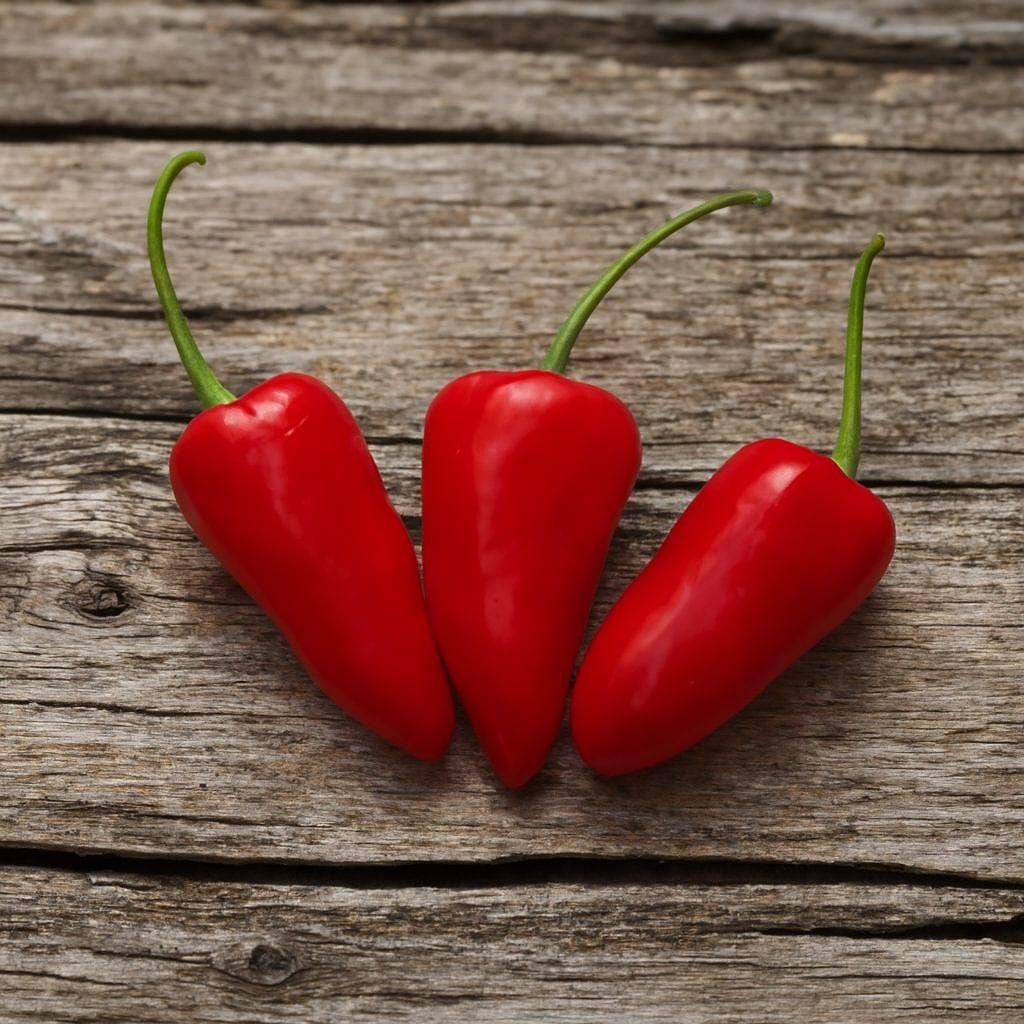
Native to Pennsylvania, USA, and cultivated for over 150 years by the Pennsylvania Dutch. The name “Hinkelhatz” translates from Pennsylvania German as “chicken heart,” referencing the pepper’s small, conical shape.
Cultural Significance:
Hinkelhatz is a heritage pepper deeply embedded in Amish and Mennonite culinary traditions. It was historically used to make pepper vinegar, a staple condiment served with sauerkraut, beans, and meats. Recipes using Hinkelhatz appear in 19th-century cookbooks such as Die Geschickte Hausfrau (1848).
Lineage / Breeder History
Parentage:
Open-pollinated heirloom; no known hybridization
Hybridizer:
None; maintained through generational seed saving
Selected Traits:
• Small, conical pods with blunt tips
• Ripens from green to red or yellow (rare orange variant exists)
• Tangy, peppery flavor with sharp heat
• Compact growth habit
• High productivity and cold tolerance
Stabilization Status:
Stable heirloom. True to type across generations. Minor variation in pod color and shape may occur.
Heat Profile
Scoville Rating (SHU): 5,000–30,000 SHU
Perceived Heat: Medium-hot
Heat Characteristics:
Delivers a sharp, immediate burn that fades quickly. Heat varies widely between pods. Comparable to cayenne at peak intensity, but often milder. Not suitable for casual snacking due to unpredictable heat spikes.
Flavor Profile
Tasting Notes:
Neutral and peppery with slight tang. Lacks the fruity or floral complexity of chinense types. Flavor is clean and direct, ideal for vinegar-based preparations.
Aftertaste / Finish:
Short-lived heat with a dry, acidic finish
Ideal Pairings:
• Pickled whole in vinegar or brine
• Pureed into pepper vinegar for sauerkraut
• Added to soups and stews for heat
• Dried and powdered for rustic seasoning blends
• Infused into oils for traditional condiments
Fruit Characteristics
Shape:
Conical, heart-shaped pods with blunt tips
Size:
2–4 cm long, 1.5–2 cm wide
Color Stages:
• Immature: Pale green
• Mid-stage: Orange-red or yellow
• Ripe: Bright red or golden yellow
Wall Thickness:
Thin
Texture & Skin:
Smooth to slightly wrinkled; firm flesh with crisp bite
Plant Details
Growth Habit:
Compact and bushy
Plant Height & Width:
Height: 45–60 cm
Width: 40–60 cm
Foliage:
Bright green, ovate leaves with tight canopy
Flower Color:
White
Days to Maturity:
80–100 days from transplant
Yield:
High — typically 100–150 pods per plant under optimal conditions
Hinkelhatz plants are cold-tolerant, pest-resistant, and well-suited to container gardening and small plots. Their compact form and prolific fruiting make them ideal for heritage gardens and culinary growers.
Cultivation Information
Seed Count per Pack: 10 seeds
Germination Time: 7–14 days (Germinating Chilli Seeds)
Optimal Germination Temp: 24–30°C (Essential guide to ideal temperatures and humidity for chilli seed germination)
Light Requirements: Filtered sun
Soil Preferences:
• pH: 6.0–6.8
• Rich, well-draining loam (Easy DIY soil mixes)
• Benefits from compost and potassium-rich feeding
Watering:
Maintain consistent moisture. Avoid waterlogging. Mulch to retain soil moisture and suppress weeds.
Fertilization:
Apply balanced NPK fertilizer every 2–3 weeks. Supplement with calcium and magnesium during fruiting.
Support:
Staking optional; canopy remains compact
Pruning:
Pinch growing tips to encourage branching.
Storage Tips:
Store seeds in a cool, dry place. Refrigeration at 4–8°C extends viability. Avoid humidity and light exposure.
Notable Compounds
Capsaicinoid Content:
Moderate — primarily capsaicin and dihydrocapsaicin
Volatile Flavor Compounds:
Trace esters and acids contribute to vinegar compatibility
Pigments:
Capsanthin (red), beta-carotene (yellow)
Nutritional Value:
High in vitamin C, antioxidants, and dietary fiber
Culinary & Cultural Use
Traditional Uses:
Used in Pennsylvania Dutch cuisine for pickling, pepper vinegar, and rustic seasoning. Often served with sauerkraut, beans, and pork dishes.
Raw vs Cooked Flavor:
Raw: Sharp, peppery, and acidic
Cooked: Mellowed heat with clean finish
Regional Dishes:
• Pepper vinegar for sauerkraut and greens
• Pickled Hinkelhatz in brine or cider vinegar
• Rustic chili powder for stews and roasts
• Infused oils for bean dishes and cornbread
• Traditional condiments for pork and cabbage
Storage / Drying / Preserving Tips:
• Thin walls dry quickly for powder or flakes
• Pickles well in vinegar or brine
• Can be frozen whole or sliced
• Suitable for oil infusions and fermented sauces



Reviews
There are no reviews yet.