
Description
Product Name: Tricolor Chilli Seeds
Tricolor is a visually stunning ornamental chili cultivar that combines vibrant fruit coloration with variegated foliage, offering both aesthetic appeal and culinary utility. Though often grown for its decorative value, this Capsicum annuum variety also delivers a medium heat level and a surprisingly rich flavor profile. Its adaptability and ease of cultivation have made it a favorite among gardeners and collectors worldwide.
- Cultivar Name: Tricolor
- Species: Capsicum annuum
- Common Names: Tricolor Variegatum, Tri-Colour Chilli
- Type: Hybrid
Origin & Lineage
Geographic Origin: The Tricolor cultivar is believed to have originated from selective breeding programs in Europe, particularly the United Kingdom, where ornamental peppers have long been cultivated for their foliage and fruit coloration. It has since gained popularity in Australia and South Africa, where it thrives in both greenhouse and patio settings.
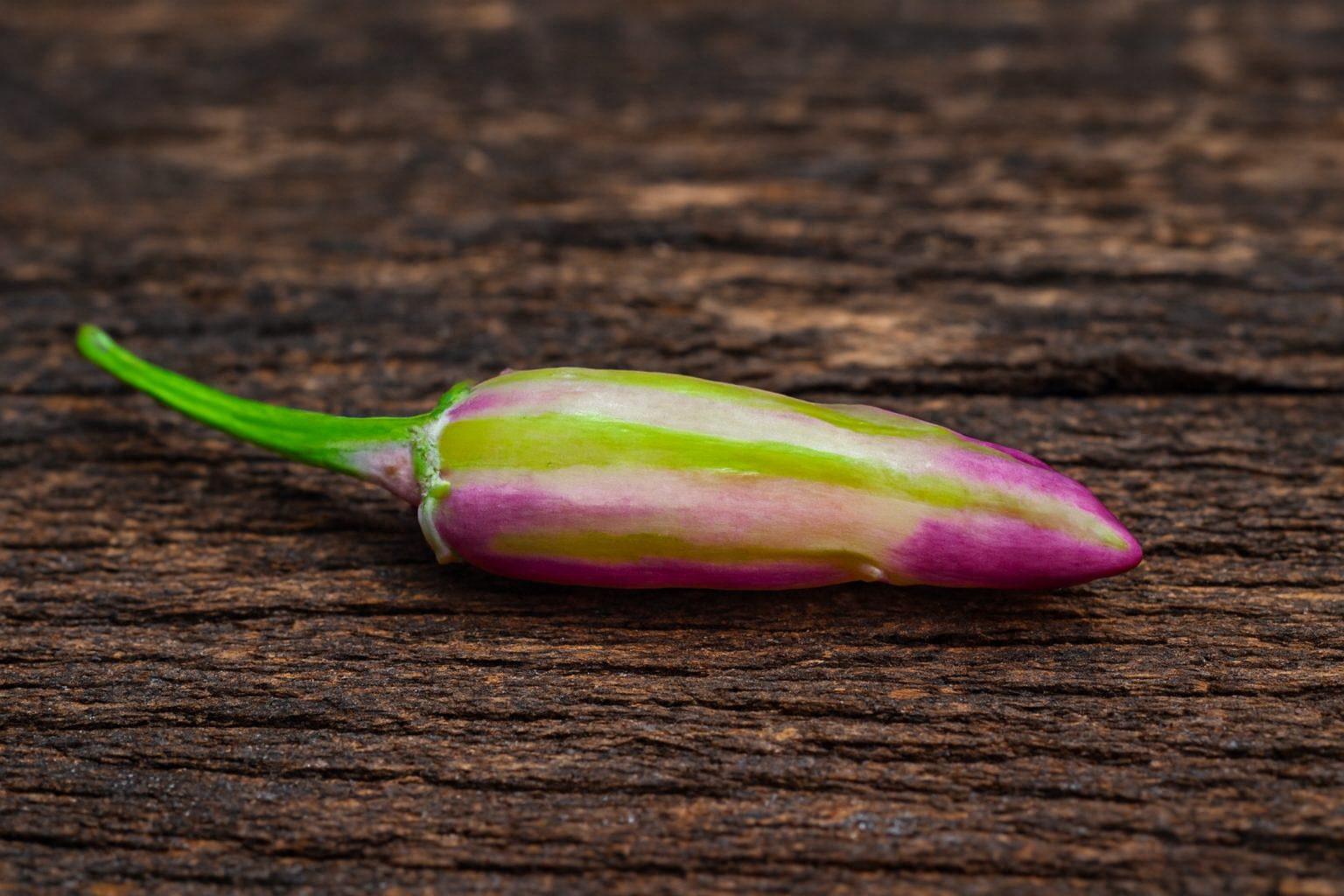
Cultural Significance: Although Tricolor does not have deep folkloric roots, it has become a symbol of ornamental gardening and culinary experimentation. Its vivid coloration—ranging from purple to yellow to red—has made it a popular choice for decorative container gardens and edible landscapes. In modern culinary circles, it is appreciated for its ability to elevate the visual appeal of dishes while contributing a moderate heat and nuanced flavor.
Lineage / Hybridizer History: Tricolor is a hybrid cultivar, developed through the crossing of ornamental and culinary Capsicum annuum lines. While the exact parentage is not publicly documented, it is widely accepted that the variety draws genetic traits from Purple Tiger and other variegated ornamental strains. The hybridization focused on enhancing foliage variegation, fruit pigmentation, and maintaining a manageable heat level. Its propagation has been supported by seed exchanges and boutique nurseries.
Heat Profile
Scoville Rating (SHU): 50,000–80,000 SHU
Perceived Heat: Very Hot
Heat Characteristics: Despite its ornamental appearance, Tricolor delivers a sharp and immediate heat. The pungency is concentrated in the placenta and seeds, with the outer flesh offering a slightly milder burn. When dried or roasted, the heat becomes more rounded, allowing for greater culinary flexibility. It is not recommended for those sensitive to capsaicin, though it remains manageable for chili enthusiasts.
Flavor Profile
Tasting Notes: Tricolor peppers offer a bright, slightly fruity flavor with undertones of citrus and green pepper. The initial bite is crisp, with a clean vegetal sweetness that precedes the heat. When fully ripe, the flavor deepens and becomes more complex.
Aftertaste / Finish: A lingering heat is accompanied by subtle smoky and floral notes, especially when the peppers are roasted or grilled. The finish is clean, without bitterness, making it suitable for fresh and cooked applications.
Ideal Pairings:
- Stir-fries and noodle dishes
- Pickled pepper blends
- Roasted vegetable medleys
- Fresh salsas and chutneys
- Garnishes for tacos and wraps
Fruit Characteristics
Shape: Miniature, upright pods with a tapered, conical form
Size: Approximately 3 cm long, 1–1.5 cm diameter
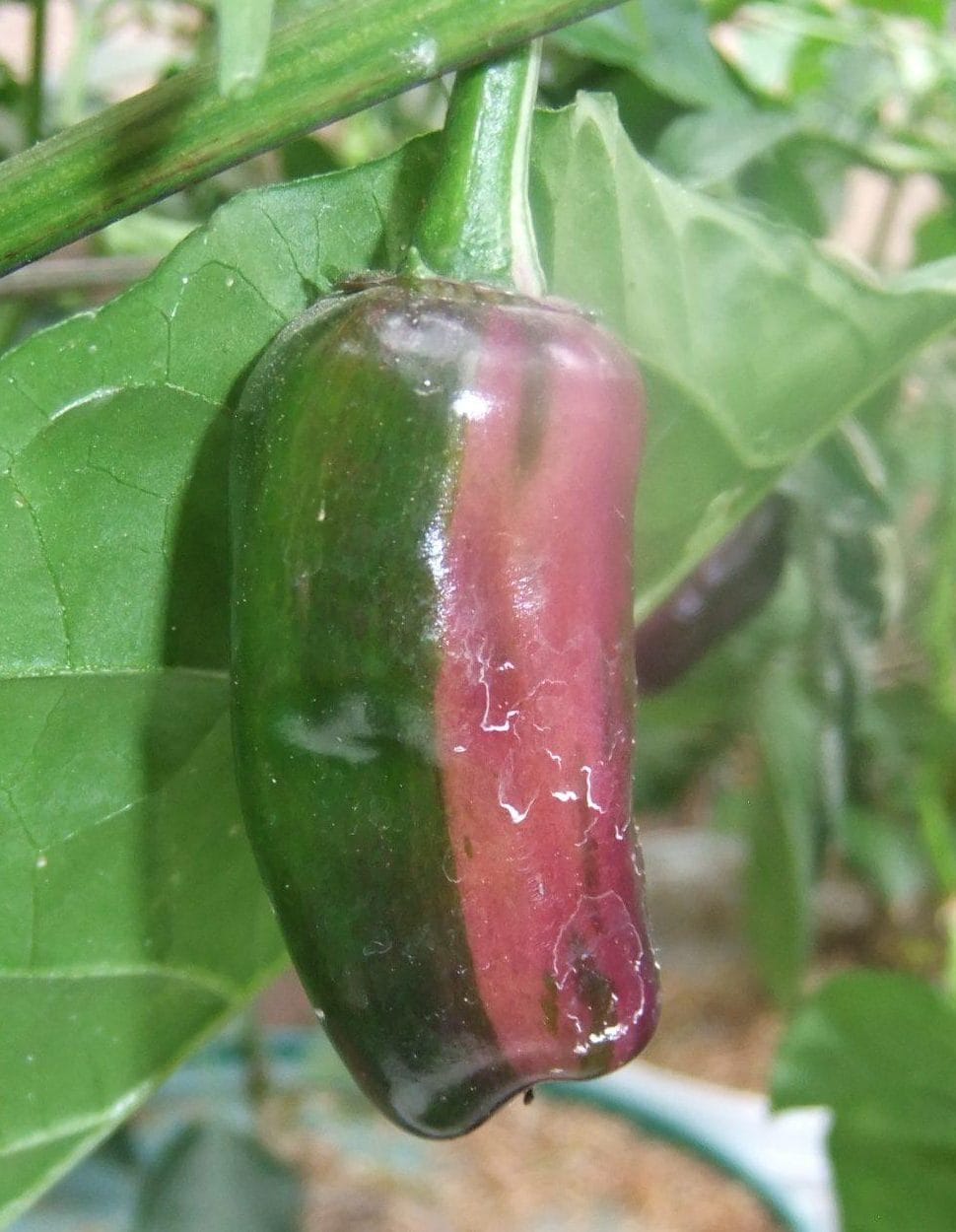
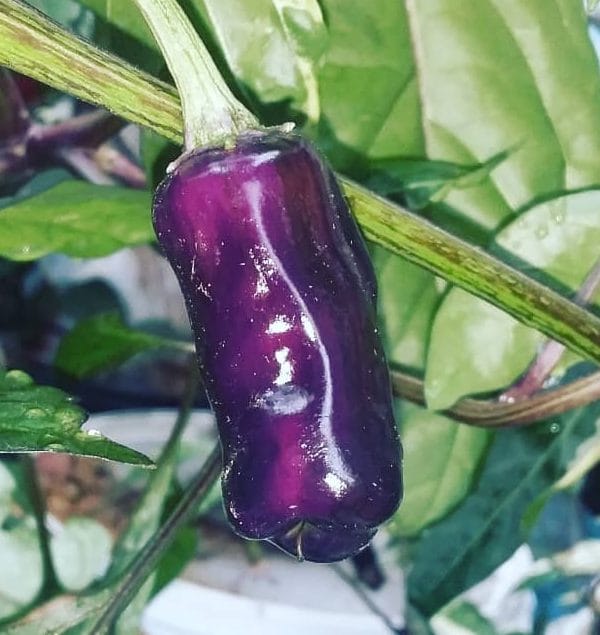
Color Stages: Immature: purple → Intermediate: yellow/orange → Ripe: red
Wall Thickness: Thin
Texture & Skin: Smooth and glossy; skin may appear slightly blistered when exposed to intense sun.
Plant Details
Growth Habit: Compact to bushy
Plant Height & Width:Height: 30–45 cm, Width: 25–35 cm
Foliage: Variegated—green, cream, and purple striping; leaves are pubescent and highly ornamental
Flower Color: White with occasional purple striping
Days to Maturity: 100–120 days from transplant
Yield: Moderate – plants typically produce dozens of small pods per season under optimal conditions.
Cultivation Information
Seed Count per Pack: 5 or 10 seeds (Presoaking Chilli Seeds)
Germination Time: 7–14 days (Germinating Chilli Seeds)
Optimal Germination Temp: 25–30°C (Essential guide to ideal temperatures and humidity for chilli seed germination)
Light Requirements: Filtered sun
Soil Preferences: Prefers well-drained soil with pH between 6.0–7.0. Enriched with compost or aged organic matter (Easy DIY soil mixes)
Storage Tips: Store seeds in airtight containers in a cool, dry environment. Avoid exposure to humidity and light to preserve viability.
Notable Compounds
Capsaicinoid Content: Contains capsaicin and dihydrocapsaicin, contributing to its pungency
Volatile Flavor Compounds: Trace amounts of limonene and esters may be present, especially when roasted
Anthocyanins / Pigments: Purple pigmentation in both fruit and foliage is attributed to anthocyanins. The variegation is genetically inherited and may vary slightly depending on environmental conditions.
Culinary & Cultural Use
Traditional Uses: While not tied to ancient culinary traditions, Tricolor peppers are used in modern applications such as:
- Pickled chili blends
- Stir-fried vegetable dishes
- Decorative garnishes
- Homemade chili oils
Raw vs Cooked Flavor: Raw pods offer a crisp texture and bright heat. Cooking—especially roasting or grilling—enhances sweetness and introduces smoky undertones. Pickling preserves both flavor and color, making it ideal for visual presentation.
Regional Dishes: Though not associated with specific regional recipes, Tricolor peppers have been featured in:
- Australian-style chili relishes
- South African pickled pepper jars
- UK patio garden stir-fries
Storage / Drying / Preserving Tips:
Drying should be done in low-humidity environments with good airflow. For fermentation, use a 2–3% salt brine and store in sterilized glass jars. Refrigeration post-fermentation is recommended to preserve flavor and prevent spoilage. Pickling in vinegar with garlic and herbs enhances both taste and shelf life.


Reviews
There are no reviews yet.