
Description
Product Name: Thakari Chilli Seeds
Cultivar Name: Thakari
Species: Capsicum annuum
Common Names: None widely documented
Type: Heirloom
Origin & Lineage
Geographic Origin: Thakari is a regionally significant heirloom cultivar originating from India, where it has been cultivated in smallholder farms and home gardens for generations. Though not widely commercialized, it has gained recognition among chili collectors and culinary enthusiasts for its distinctive flavor and manageable heat. Its presence in Indian horticulture reflects the country’s rich biodiversity and long-standing tradition of pepper cultivation.
Cultural Significance: Thakari chili holds culinary importance in regional Indian cooking, particularly in the preparation of pickles, chutneys, and spice blends. While it has not been formally documented in ritual use or folklore, its consistent appearance in traditional recipes suggests cultural embeddedness. In rural communities, Thakari pods are often sun-dried and ground into powders used in curries and vegetable dishes. Its thin walls and bright flavor make it ideal for quick stir-fries and fresh salsas, and it has been passed down through generations as a reliable kitchen staple.
Lineage / Hybridizer History: Thakari is considered an open-pollinated heirloom, with no known hybridization or formal breeding program. Its stability has been maintained through seed saving and regional propagation. Although the original breeder is undocumented, the cultivar has been preserved through community stewardship and informal horticultural exchange. Its classification as heirloom is supported by its consistent phenotype and historical use in Indian cuisine.
Heat Profile
Scoville Rating (SHU): Approximately 30,000–50,000 SHU
Perceived Heat: Hot
Heat Characteristics: The heat of Thakari is immediate and sharp, yet it does not overwhelm the palate. It delivers a clean burn that intensifies briefly before tapering off, making it suitable for both fresh and cooked applications. Its thin walls allow for rapid flavor release, and the heat is often described as “dancing” on the tongue. Unlike superhot varieties, Thakari’s pungency is assertive but not aggressive, allowing its flavor to remain accessible to a broader audience.
Flavor Profile
Tasting Notes: Thakari offers a bright, slightly sweet flavor with a crisp vegetal undertone. The initial taste is fresh and peppery, followed by a mild fruitiness that complements its heat. When used raw, the flavor is clean and vibrant, while cooking deepens its profile and introduces subtle smoky notes.
Aftertaste / Finish: The finish is short and clean, with a faint sweetness that lingers briefly. There is minimal bitterness, and the aftertaste does not interfere with other ingredients, making it ideal for layered dishes.
Ideal Pairings:
- Mango salsas and chutneys
- Stir-fried vegetables and noodles
- Pickled blends with vinegar and mustard seeds
- Curry bases and dry rubs for grilled meats
Fruit Characteristics
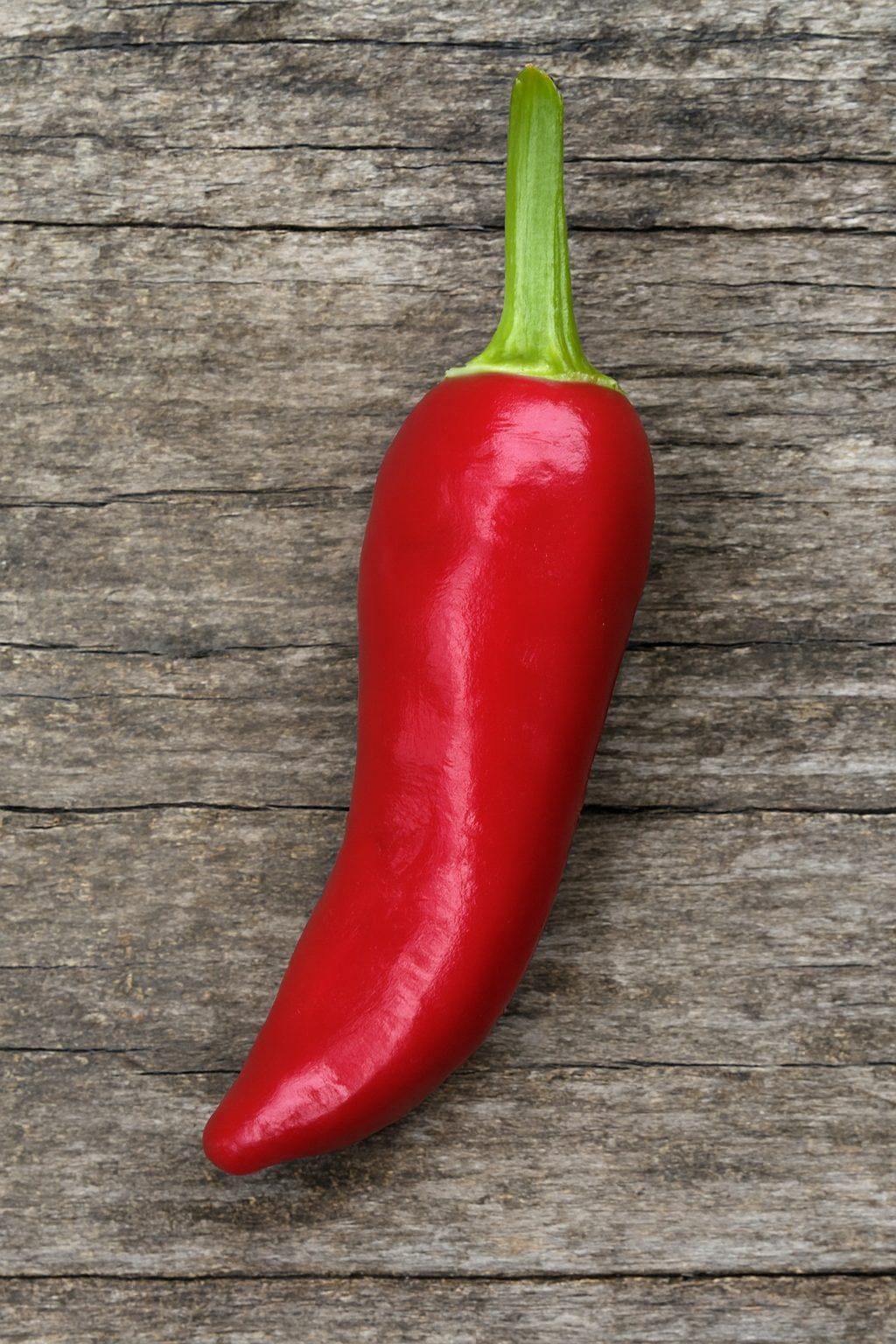
Shape: Slender and elongated with a slight curve
Size: Approximately 5–6 cm long, 1.5 cm diameter
Color Stages:
- Immature: green
- Ripe: bright red
Wall Thickness: Thin
Texture & Skin: Smooth and glossy; skin remains firm when dried, contributing to its suitability for powder production.
Plant Details
Growth Habit: Bushy
Plant Height & Width: 60–80 cm tall, 40–60 cm wide
Foliage: Dark green, slightly pubescent
Flower Color: White
Days to Maturity: 80–100 days from germination
Yield: Moderate – estimated 50–70 pods per plant under optimal conditions.
Cultivation Information
Seed Count per Pack: 5 or 10 seeds (Presoaking Chilli Seeds)
Germination Time: 7–14 days (Germinating Chilli Seeds)
Optimal Germination Temp: 25–30°C (Essential guide to ideal temperatures and humidity for chilli seed germination)
Light Requirements: Filtered sun
Soil Preferences:
- pH range: 6.0–6.8
- Well-draining loamy soil with high organic matter
- Enriched with compost or worm castings (Easy DIY soil mixes)
Storage Tips:
Store seeds in airtight containers in a cool, dry place. Silica gel packets may be used to reduce moisture. Refrigeration is recommended for long-term viability.
Notable Compounds
Capsaicinoid Content: Thakari contains moderate levels of capsaicin and dihydrocapsaicin, which contribute to its hot classification. These compounds are concentrated in the placenta and inner walls of the pod, and their presence ensures consistent pungency across growing conditions.
Volatile Flavor Compounds: While specific studies on Thakari are limited, Capsicum annuum varieties often contain limonene and vanillin, which contribute to their bright and slightly sweet aroma. These compounds are most pronounced when the pods are fresh and diminish with drying.
Anthocyanins / Pigments: Thakari does not exhibit purple coloration, and anthocyanin expression is minimal. Its pigmentation is dominated by carotenoids, which produce the vibrant red hue at maturity.
Culinary & Cultural Use
Traditional Uses:
- Used in Indian pickles and chutneys
- Ground into powders for curry blends
- Added to stir-fries and vegetable dishes for heat and color
- Incorporated into spice rubs and marinades
Raw vs Cooked Flavor: Raw pods deliver a crisp, peppery heat with a clean finish. Cooking enhances the sweetness and introduces mild smokiness. Roasting or grilling deepens the flavor, while pickling preserves its brightness and adds tangy complexity.
Regional Dishes: Thakari has been used in regional Indian recipes such as:
- Chilli mango salsa
- Red chili chutney
- Pickled chili vinegar blends
- Dry masala powders for lentil dishes
Storage / Drying / Preserving Tips:
- Air-drying in shaded, ventilated areas retains flavor and color
- Dehydrators may be used at low temperatures to preserve volatile compounds
- Pickling in vinegar brine maintains visual appeal and extends shelf life
- Grinding dried pods into powder allows for long-term storage and versatile use



Reviews
There are no reviews yet.