

Description
Product Name: Thai Ornamental
Thai Ornamental is a visually captivating cultivar of Capsicum annuum, widely recognized for its compact growth habit, upright fruit orientation, and vibrant color transitions. Though primarily cultivated for its decorative appeal, this variety is fully edible and delivers a potent heat profile that rivals many culinary-grade chillies. Its small, conical fruits mature through a striking spectrum of colors—green, yellow, orange, and red—often appearing simultaneously on the plant, which contributes to its ornamental value. Despite its aesthetic focus, Thai Ornamental has found its way into kitchens and spice blends, especially in Southeast Asian cuisine, where its heat and color are appreciated.
- Cultivar Name: Thai Ornamental
- Species: Capsicum annuum
- Common Names: Thai Hot Ornamental, Thai Patio Pepper
- Type: Ornamental,Heirloom
Origin & Lineage
Geographic Origin: Thai Ornamental peppers are believed to have originated in Southeast Asia, with strong ties to Thailand’s traditional gardening and culinary practices. While the exact lineage is not formally documented, the cultivar has been widely propagated across tropical and subtropical regions due to its adaptability and ornamental appeal. It is often grown in containers and small garden plots, especially in urban Thai households.
Cultural Significance: In Thai culture, ornamental plants hold symbolic and aesthetic value. Thai Ornamental peppers are frequently used in decorative arrangements, temple gardens, and festive displays. Although not traditionally associated with ritual use, their vivid coloration and compact form have made them popular in cultural festivals and home gardens. Culinary use is secondary but not uncommon; the peppers are occasionally incorporated into spicy condiments and stir-fries, especially when fresh chillies are unavailable.
Lineage / Hybridizer History: Thai Ornamental is considered an open-pollinated heirloom, with no single breeder credited for its development. It likely emerged through natural selection and informal breeding among Thai growers. The cultivar has influenced several hybrid derivatives, most notably the ‘NuMex Twilight’, developed by New Mexico State University, which shares its upright fruiting habit and multicolor ripening pattern. Thai Ornamental remains genetically stable and has been cultivated for decades without significant modification.
Heat Profile
- Scoville Rating (SHU): 50,000–100,000 SHU
- Perceived Heat: Very Hot
- Heat Characteristics: The heat is immediate and sharp, concentrated in the seeds and placenta. It delivers a clean burn that intensifies quickly but dissipates without lingering bitterness. When dried, the heat becomes slightly more aggressive, making it suitable for powdered spice blends. Despite its small size, the fruit packs a punch, often surprising those who mistake it for a purely ornamental variety.
Flavor Profile
- Tasting Notes: Bright and slightly grassy with a hint of citrus. The flavor is not complex but remains clean and assertive.
- Aftertaste / Finish: A short-lived bitterness followed by a dry, peppery finish. The flavor is more pronounced when the fruit is fully ripe.
- Ideal Pairings: Thai Ornamental peppers pair well with garlic, vinegar, and fermented soy products. They are ideal for hot sauces, pickled preparations, and dry rubs. Their heat complements stir-fried vegetables, grilled meats, and noodle dishes.
Fruit Characteristics
- Shape: Upright, conical, and slightly tapered
- Size: 2–3 cm long, 1 cm diameter
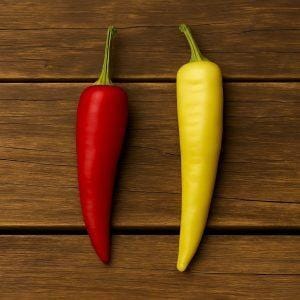
- Color Stages: Immature: green → Ripe: yellow → orange → red
- Wall Thickness: Thin
- Texture & Skin: Smooth and glossy, with occasional wrinkling near the tip
Plant Details
- Growth Habit: Compact
- Plant Height & Width: 30–45 cm tall, 30–40 cm wide
- Foliage: Dark green, slightly pubescent
- Flower Color: White
- Days to Maturity: 80–100 days from germination
- Yield: Moderate – typically 50–100 pods per plant under optimal conditions
Cultivation Information
- Seed Count per Pack: 5 or 10 seeds (Presoaking Chilli Seeds)
- Germination Time: 7–14 days (Germinating Chilli Seeds)
- Optimal Germination Temp: 25–30°C (Essential guide to ideal temperatures and humidity for chilli seed germination)
- Light Requirements: Filtered sun
- Soil Preferences: Prefers well-drained soil with a pH of 6.2–6.8. Incorporate compost and perlite for improved drainage and aeration (Easy DIY soil mixes)
- Storage Tips: Store seeds in airtight containers in a cool, dry environment. Avoid exposure to humidity and light to preserve viability for up to 3 years.
Notable Compounds
- Capsaicinoid Content: Primarily capsaicin and dihydrocapsaicin, contributing to its sharp and immediate heat
- Volatile Flavor Compounds: Trace amounts of limonene and pyrazines may contribute to its grassy and citrus-like aroma
- Anthocyanins / Pigments: Minimal anthocyanin expression; coloration is driven by carotenoids during ripening
Culinary & Cultural Use
- Traditional Uses: While not a staple in Thai cuisine, Thai Ornamental peppers are occasionally used in homemade chilli pastes, infused oils, and pickled condiments.
- Raw vs Cooked Flavor: Raw pods offer a crisp texture and sharp heat. Cooking softens the skin and enhances the pepper’s brightness. Roasting or grilling intensifies the citrus notes, while pickling preserves both color and heat.
- Regional Dishes: Thai Ornamental peppers have been used in fusion dishes such as mango salsa, spicy vinegar dips, and stir-fried greens. They are not commonly featured in heritage recipes but appear in modern adaptations.
- Storage / Drying / Preserving Tips: Dry pods in a shaded, ventilated area to retain color. Once dried, they may be ground into powder or stored whole. Pickling in vinegar with garlic and sugar creates a shelf-stable condiment with visual appeal.



Reviews
There are no reviews yet.