
Description
Product Name: Shishito Pepper Seeds
Cultivar Name: Shishito (Chinese, Shishitōgarashi)
Species: Capsicum annuum
Common Names: Lion Head Pepper, Wrinkled Old Man, Kkwari Gochu (Korean), Shishimai
Type: Heirloom
Origin & Lineage
Geographic Origin: Japan
Shishito peppers originated in the Kansai region of Japan, with documented cultivation dating back to the Edo period (1603–1867). The name “Shishito” combines “shishi” (lion) and “tōgarashi” (chili pepper), referencing the pepper’s wrinkled tip, which resembles a lion’s mane. Though Capsicum annuum is native to the Americas, Shishito was refined in Japan through centuries of selective breeding for sweetness, thin skin, and mild heat.
Portuguese traders introduced chili peppers to Japan in the 16th century. Japanese growers then selected for culinary versatility, creating a cultivar now central to izakaya cuisine, temple offerings, and seasonal dishes. Shishito peppers are now grown globally, with adapted lines in California, Spain, and South Korea.
Cultural Significance:
Shishito peppers are a staple in Japanese summer cuisine. They’re served blistered with sea salt, dipped in tempura batter, or stewed in dashi. Their unpredictable heat—about 1 in 10 peppers carries a mild kick—adds a playful “pepper roulette” element to communal dining. In some regions, eating Shishito on New Year’s Eve is believed to bring good fortune.
Lineage / Hybridizer History
Parentage:
Descended from Capsicum annuum varieties introduced to Japan via Portuguese trade routes. Refined through Japanese heirloom selection.
Breeders selected for:
- Thin skin for fast cooking
- Mild sweetness with grassy undertones
- Compact growth habit
- High yield and ornamental appeal
Stabilized Traits:
Highly stable heirloom cultivar. Widely available through Japanese seed houses and international heirloom vendors.
Heat Profile
Scoville Rating (SHU): 50–200 SHU
Perceived Heat: Mild, with occasional medium-hot pods
Heat Characteristics:
Mostly sweet and gentle. Roughly 1 in 10 pods may surprise with a jalapeño-like warmth. Heat is fleeting and playful, never overwhelming.
Flavor Profile
Tasting Notes:Grassy, citrusy, and slightly smoky. When blistered, the skin crisps and caramelizes, releasing vegetal sweetness and umami depth.
Aftertaste / Finish:Clean, with a subtle char and lingering sweetness
Ideal Pairings:
- Blistered with olive oil and flaky salt
- Tempura with soy dipping sauce
- Stir-fried with sesame oil and garlic
- Pickled with rice vinegar and shiso
- Added to grain bowls, tacos, or sushi platters
Fruit Characteristics
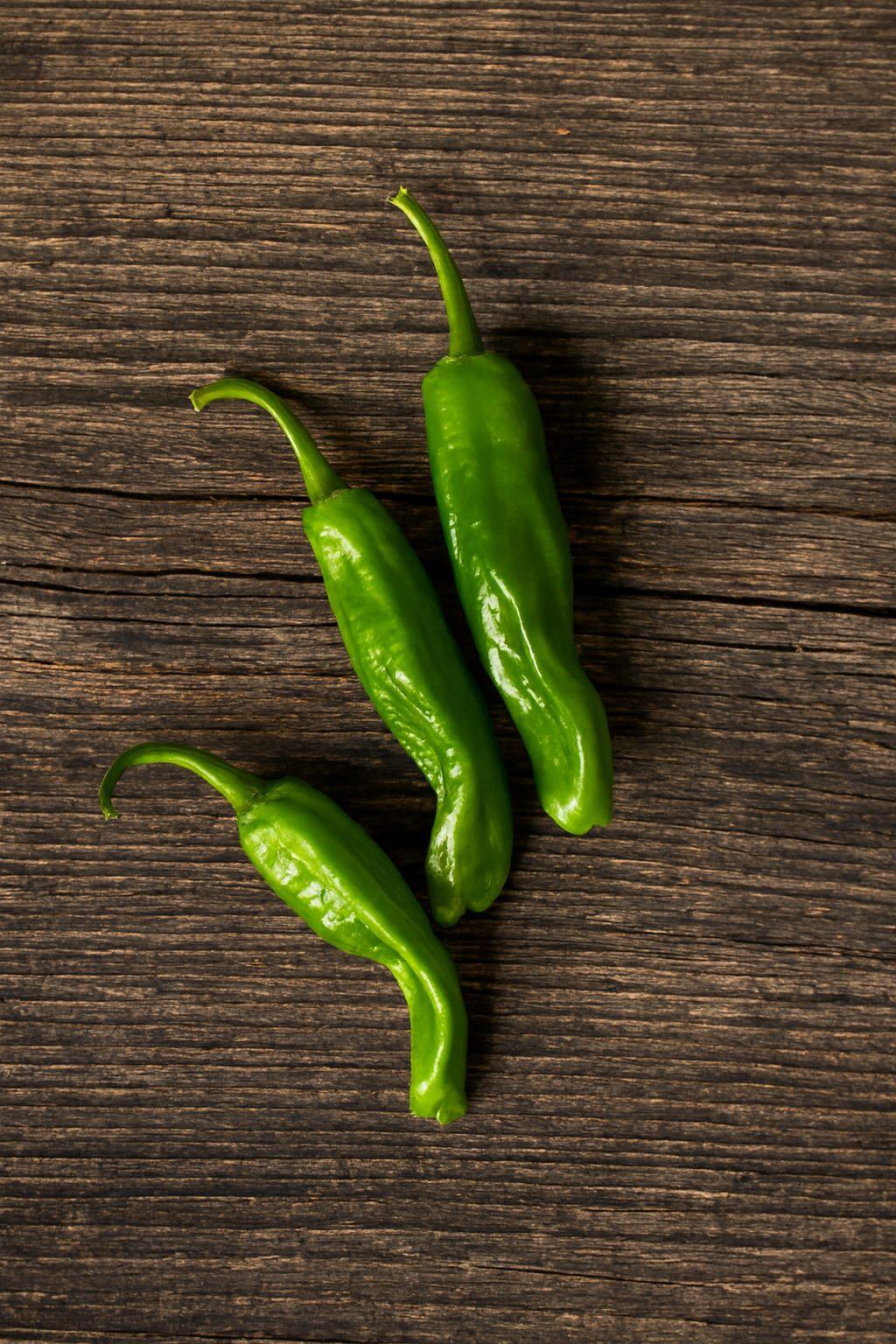
Shape: Slender, finger-length pods with gentle wrinkles
Size: 5–10 cm long, 1–2 cm wide
Color Stages:
- Immature: Bright green
- Ripe: Red (sweeter, more complex flavor)
Wall Thickness: Thin
Texture & Skin: Smooth, glossy, and delicate—ideal for quick cooking
Plant Details
Growth Habit: Compact and bushy
Plant Height & Width:
Height: 45–60 cm
Width: 30–45 cm
Foliage: Smooth, deep green leaves
Flower Color: White
Days to Maturity: 60–75 days from transplant
Yield: High—up to 100 pods per plant under optimal conditions
Cultivation Information
Seed Count per Pack: 5 or 10 seeds
Germination Time: 10–25 days (Germinating Chilli Seeds)
Optimal Germination Temp: 21–32°C (Essential guide to ideal temperatures and humidity for chilli seed germination)
Light Requirements: Filtered sun (6–8 hours daily)
Soil Preferences:
- pH: 6.0–6.8
- Fertile, well-draining loam (Easy DIY soil mixes)
- Benefits from compost and balanced NPK feeding
Storage Tips: Store seeds in a cool, dry place. Refrigeration at 4–8°C extends viability. Avoid moisture and direct light.
Notable Compounds
Capsaicinoid Content: Low; occasional pods may contain elevated capsaicin due to environmental stress
Volatile Flavor Compounds: Linalool, limonene, and pyrazines contribute to grassy and citrus aroma
Pigments: Chlorophyll (green stage), capsanthin and capsorubin (red stage)
Culinary & Cultural Use
Traditional Uses: Grilled, blistered, tempura, pickled, or stewed in dashi. Served whole as a snack or side dish in izakaya and home kitchens.
Raw vs Cooked Flavor:
Raw: Mild, grassy, slightly bitter
Cooked: Sweet, smoky, and umami-rich
Regional Dishes:
- Yakitori platters
- Tempura assortments
- Stir-fried banchan in Korean cuisine
- Spanish tapas (similar to Padrón peppers)
Storage / Drying / Preserving Tips:
- Best enjoyed fresh or blistered
- Can be pickled or frozen for soups and stir-fries
- Not ideal for drying due to thin walls



Reviews
There are no reviews yet.