
Description
Product Name: Reina Liza F5
Reina Liza is a visually captivating and emotionally resonant Capsicum baccatum cultivar, bred not only for its ornamental beauty and culinary versatility but also as a tribute to resilience and friendship. This hybrid variety was created by South African grower Tony Lague to uplift a close friend undergoing cancer treatment—a gesture that has since evolved into a rare and sought-after pepper with both horticultural and symbolic significance. With its purple-flowered blooms, sweet flavor, and disease resistance, Reina Liza stands out as a cultivar that blends aesthetic elegance with practical performance. It is suitable for patio containers, raised beds, and field cultivation, offering growers a reliable, medium-heat pepper with a story worth preserving.
- Cultivar Name: Reina Liza
- Species: Capsicum baccatum
- Common Names: None formally documented
- Type: Hybrid
Origin & Lineage
Geographic Origin:
Reina Liza was bred in South Africa, where it was developed through a cross between an Ethiopian tree pepper and a purple-flowered baccatum. The cultivar has been trialed successfully in various South African microclimates, including coastal and inland regions, and has demonstrated strong adaptability to filtered sun and moderate humidity. Its upright growth habit and ornamental blooms make it particularly well-suited to patio cultivation, though it performs equally well in open field conditions.
Cultural Significance:
Unlike many commercial cultivars, Reina Liza carries a deeply personal origin story. It was created to cheer up a friend battling cancer, and its name—“Queen Liza”—reflects both strength and grace. While it does not have documented folkloric or ritual use, its symbolic value has resonated with growers who appreciate cultivars with emotional depth and legacy potential. The purple flowers and vibrant red pods evoke themes of transformation and vitality, making Reina Liza a meaningful addition to gardens focused on healing, remembrance, or celebration.
Lineage / Hybridizer History:
Reina Liza was hybridized by Tony Lague, a South African grower known for his work with rare and ornamental baccatum lines. The cross involved:
- Ethiopian Tree Pepper: A tall, woody baccatum known for its resilience and upright fruiting habit.
- Purple-Flowered Baccatum: Selected for its ornamental blooms and sweet flavor profile.
The cultivar is currently in its F5 generation, indicating semi-stability with consistent traits across most plants. While some variation in pod shape and pigmentation may still occur, the majority of plants express uniform growth, flower coloration, and fruit development.
Heat Profile
Scoville Rating (SHU):
Estimated between 10,000 and 30,000 SHU
Perceived Heat:
Medium (1,000 to 15,000 SHU) to Hot (15,000 to 50,000 SHU)
Heat Characteristics:
The burn delivered by Reina Liza is gentle and well-integrated. It begins with a mild sting near the seeds and placenta, followed by a warm glow that spreads across the palate. The heat is clean and does not linger excessively, making it suitable for dishes that require flavor enhancement without overwhelming pungency. When roasted or grilled, the heat softens and blends seamlessly into the dish.
Flavor Profile
Tasting Notes:
Reina Liza offers a sweet, balanced flavor with subtle floral and citrus undertones. The initial taste is bright and slightly tangy, followed by a mellow sweetness that pairs well with both savory and acidic ingredients. Its flavor has been described as “nicely balanced,” making it ideal for fresh consumption, light cooking, and fermentation.
Aftertaste / Finish:
The finish is smooth and slightly fruity, with no lingering bitterness. When cooked, the sweetness intensifies and a faint smokiness emerges, especially when the pods are grilled or roasted.
Ideal Pairings:
- Fresh salads with citrus vinaigrette
- Stir-fries with garlic and sesame oil
- Pickled blends with vinegar and herbs
- Fermented chili pastes with onion and tamarind
- Roasted vegetable medleys and antipasti platters
Fruit Characteristics
Shape:
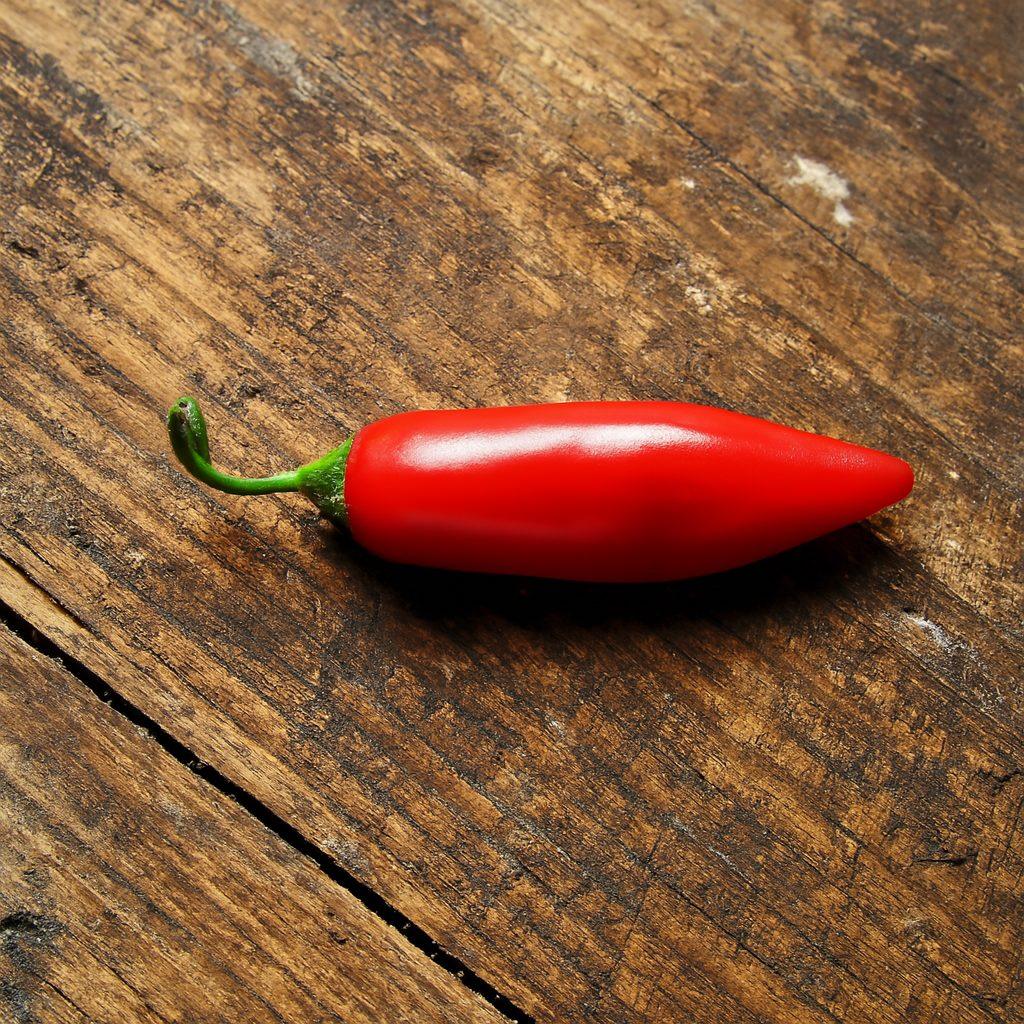
Elongated and slightly curved with tapered ends
Size:
4–5 cm long, 2 cm diameter
Color Stages:
- Immature: green
- Ripe: vibrant red
Wall Thickness:
Medium
Texture & Skin:
Smooth and glossy; skin is firm and resistant to cracking.
Plant Details
Growth Habit:
Bushy with upright fruiting
Plant Height & Width:
90–120 cm tall, 60–80 cm wide
Foliage:
Dark green, slightly pubescent
Flower Color:
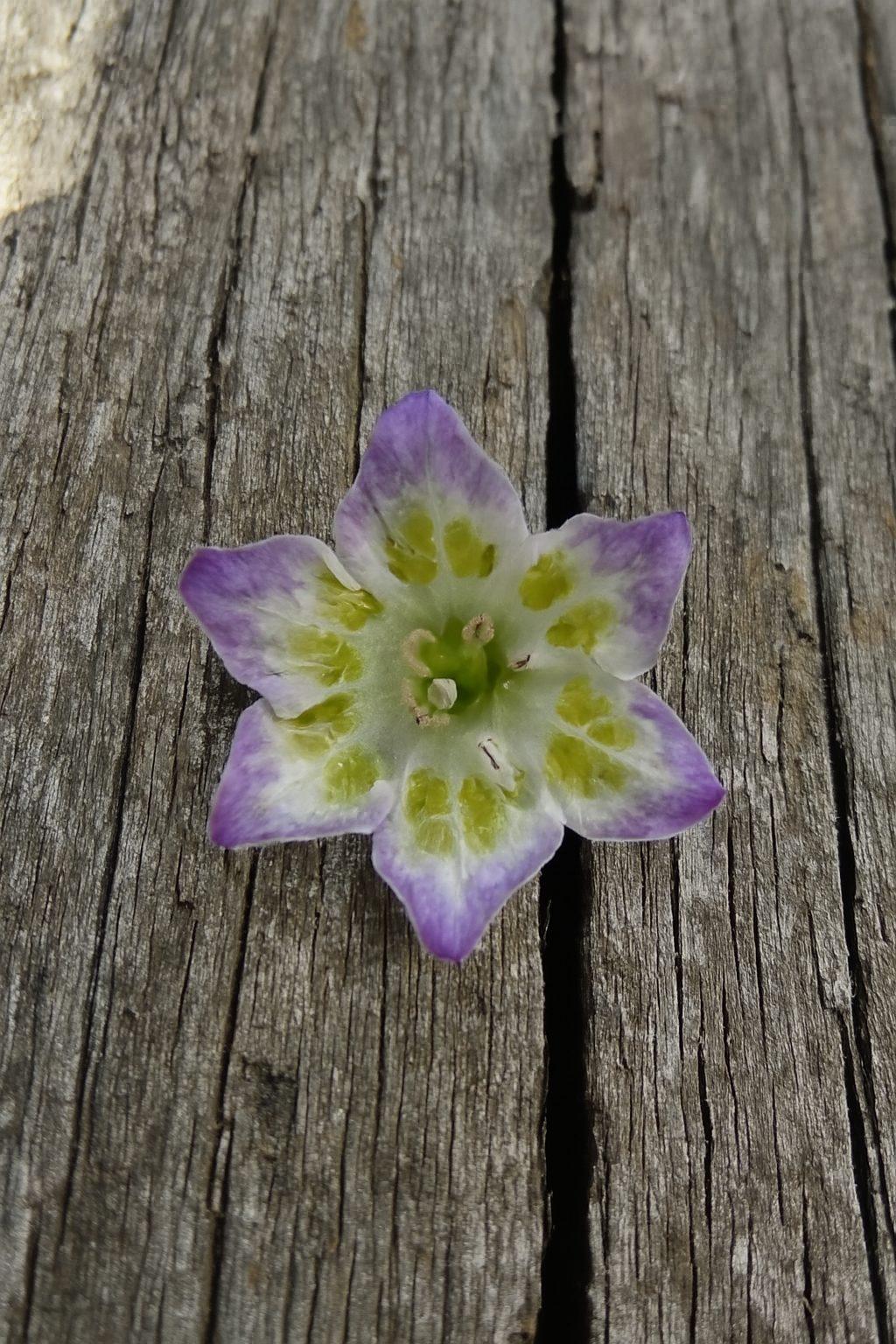
Purple with lavender corolla
Days to Maturity:
100–120 days from germination
Yield:
Moderate to high – typically 60–100 pods per plant under optimal conditions.
Cultivation Information
Seed Count per Pack:
5 or 10 seeds (Presoaking Chilli Seeds)
Germination Time:
7–14 days (Germinating Chilli Seeds)
Optimal Germination Temp:
25–30°C (Essential guide to ideal temperatures and humidity for chilli seed germination)
Light Requirements:
Filtered sun
Soil Preferences:
Well-drained loamy soil with pH between 6.0 and 6.8; enriched with compost or aged manure (Easy DIY soil mixes)
Storage Tips:
Store seeds in airtight containers in a cool, dry place. Silica gel packets may be used to reduce humidity and extend viability.
Notable Compounds
Capsaicinoid Content:
Moderate levels of capsaicin and trace dihydrocapsaicin contribute to its medium-to-hot classification. These compounds are concentrated near the placenta and inner walls of the pod.
Volatile Flavor Compounds:
Limonene and aldehydes contribute to the fresh, sweet aroma. These compounds become more pronounced during roasting and fermentation.
Anthocyanins / Pigments:
High anthocyanin expression is responsible for the purple pigmentation in flowers and stems. This trait is inherited from the purple-flowered baccatum parent and may vary slightly depending on light exposure and temperature.
Culinary & Cultural Use
Traditional Uses:
Though Reina Liza is a modern cultivar, it has been adopted into artisanal hot sauce production and decorative culinary presentations. Its manageable heat and sweet flavor make it suitable for:
- Ají-style sauces
- Pickled chili medleys
- Salsas with citrus and herbs
- Dry rubs and infused oils
- Fermented chili pastes
Raw vs Cooked Flavor:
Raw pods deliver a crisp, sweet flavor with floral undertones. Cooking—especially roasting or grilling—enhances the sweetness and introduces a smoky depth. Pickling adds tang and reduces the sharp edge, while fermentation deepens the flavor and introduces umami complexity.
Regional Dishes:
- South African chili chutneys
- Mozambican-style peri-peri sauces
- Mediterranean pickled pepper blends
- Southeast Asian stir-fry infusions
- Latin American ají sauces
Storage / Drying / Preserving Tips:
- Air-dry whole pods in shaded, ventilated areas to preserve flavor and pigmentation
- Slice and dehydrate for faster drying and powder production
- Pickle in vinegar with garlic and herbs for extended shelf life
- Ferment with salt and citrus for chili paste
- Vacuum seal dried pods to prevent oxidation and flavor degradation


Reviews
There are no reviews yet.