

Description
Product Name: Red Thai
Red Thai is a compact, high-yielding cultivar of Capsicum annuum, renowned for its intense heat, slender conical pods, and indispensable role in Southeast Asian cuisine. Often referred to as Thai Bird’s Eye or Prik Kee Nu, this variety is a staple in Thai cooking, where it contributes both heat and visual appeal to dishes ranging from curries to stir-fries. Its upright growth habit, vibrant red coloration, and pungent aroma make it a favorite among growers seeking a reliable, ornamental, and culinary pepper. Though small in stature, Red Thai delivers bold flavor and cultural depth, earning its place in kitchens and gardens worldwide.
- Cultivar Name: Red Thai
- Species: Capsicum annuum
- Common Names: Thai Bird’s Eye, Prik Kee Nu, Thai Red Chilli
- Type: Heirloom
Origin & Lineage
Geographic Origin: Red Thai peppers are native to Thailand and have been cultivated across Southeast Asia for centuries. They are grown commercially on hillsides, terraces, and irrigated paddy fields following the rice-growing season. Their adaptability to tropical climates and compact growth habit have made them a popular choice for both rural farms and urban gardens. Today, they are also cultivated in India, Vietnam, and parts of Africa and South America, where Thai cuisine has gained global influence.
Cultural Significance: In Thai culinary tradition, Red Thai peppers are more than just a source of heat—they are a symbol of balance and vibrancy. Thai cuisine emphasizes harmony between sweet, salty, sour, and spicy elements, and Red Thai peppers are central to achieving that balance. They are used whole, sliced, or ground in dishes such as som tam (green papaya salad), tom yum soup, and kaeng phet (red curry). Presentation is also key in Thai dining, and the bright red pods are often left whole or carved into decorative shapes to enhance visual appeal. While not tied to ritual use, their presence in celebratory meals and street food culture reflects their embeddedness in Thai identity.
Lineage / Hybridizer History: Red Thai is considered a landrace heirloom, having evolved through generations of open pollination and farmer selection. Its genetic traits—small size, upright growth, and intense heat—have remained consistent across regions and climates. No single breeder is credited with its development, though its spread has been facilitated by seed exchanges and culinary migration. The variety has influenced numerous hybrids, including NuMex Twilight and Thai Hot, which borrow its compact form and pungency.
Heat Profile
- Scoville Rating (SHU): 50,000–100,000 SHU
- Perceived Heat: Very Hot
- Heat Characteristics: Red Thai delivers a sharp, immediate burn that intensifies quickly and lingers. The heat is concentrated in the placenta and seeds, and even small quantities can dramatically elevate a dish. When dried, the heat becomes more focused, making it ideal for powdered spice blends and infused oils. Despite its intensity, the burn is clean and does not overpower the pepper’s flavor when used judiciously.
Flavor Profile
- Tasting Notes: Bright, peppery, and slightly grassy with a hint of citrus. The flavor is assertive and aromatic, contributing depth to complex dishes.
- Aftertaste / Finish: A dry, lingering warmth with subtle earthy undertones. The finish is clean and sharp, enhancing umami-rich ingredients.
- Ideal Pairings: Red Thai pairs well with garlic, ginger, lemongrass, coconut milk, and fish sauce. It complements stir-fries, curries, dipping sauces, and fermented preparations. Its heat and aroma also enhance tropical fruits like mango and pineapple in chutneys and salsas.
Fruit Characteristics
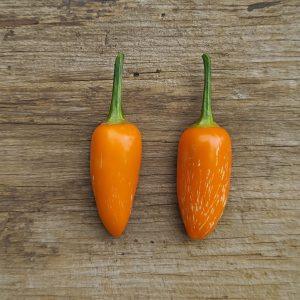
- Shape: Slender, conical, and tapered to a fine point
- Size: 2–5 cm long, 0.5–1 cm diameter
- Color Stages: Immature: green → Ripe: bright red
- Wall Thickness: Thin
- Texture & Skin: Smooth, taut, and waxy with occasional wrinkling near the tip
Plant Details
- Growth Habit: Compact and upright
- Plant Height & Width: 40–60 cm tall, 30–40 cm wide
- Foliage: Dark green, slightly pubescent
- Flower Color: White
- Days to Maturity: 80–100 days from germination
- Yield: High – typically 100–150 pods per plant under optimal conditions
Cultivation Information
- Seed Count per Pack: 5 or 10 seeds (Presoaking Chilli Seeds)
- Germination Time: 7–14 days (Germinating Chilli Seeds)
- Optimal Germination Temp: 25–30°C (Essential guide to ideal temperatures and humidity for chilli seed germination)
- Light Requirements: Filtered sun
- Soil Preferences: Prefers well-drained loamy soil with a pH of 6.0–7.0. Enrich with compost and potash for optimal fruiting (Easy DIY soil mixes)
- Storage Tips: Store seeds in airtight containers in a cool, dry place. Avoid exposure to moisture and light to maintain viability for up to 3 years.
Notable Compounds
- Capsaicinoid Content: High concentrations of capsaicin and dihydrocapsaicin contribute to its pungency
- Volatile Flavor Compounds: Limonene and pyrazines contribute to its citrusy aroma and grassy undertones
- Anthocyanins / Pigments: Minimal anthocyanin presence; coloration driven by carotenoids such as capsanthin and capsorubin
Culinary & Cultural Use
- Traditional Uses: Used in Thai curries, stir-fries, dipping sauces, and fermented chilli pastes. Often added whole to soups or sliced into salads for heat and visual appeal.
- Raw vs Cooked Flavor: Raw pods offer a crisp texture and sharp heat. Cooking softens the skin and deepens the flavor. Roasting enhances smokiness, while pickling preserves both heat and color.
- Regional Dishes: Featured in kaeng phet (red curry), som tam (green papaya salad), tom yum (hot and sour soup), and nam prik (chilli dipping sauce). Also used in Thai-style chilli oils and infused vinegars.
- Storage / Drying / Preserving Tips: Dry pods in shaded, ventilated areas to retain color and flavor. Once dried, they may be ground into powder or stored whole. Fermentation with garlic, shrimp paste, and lime yields a robust, shelf-stable condiment.



Reviews
There are no reviews yet.