
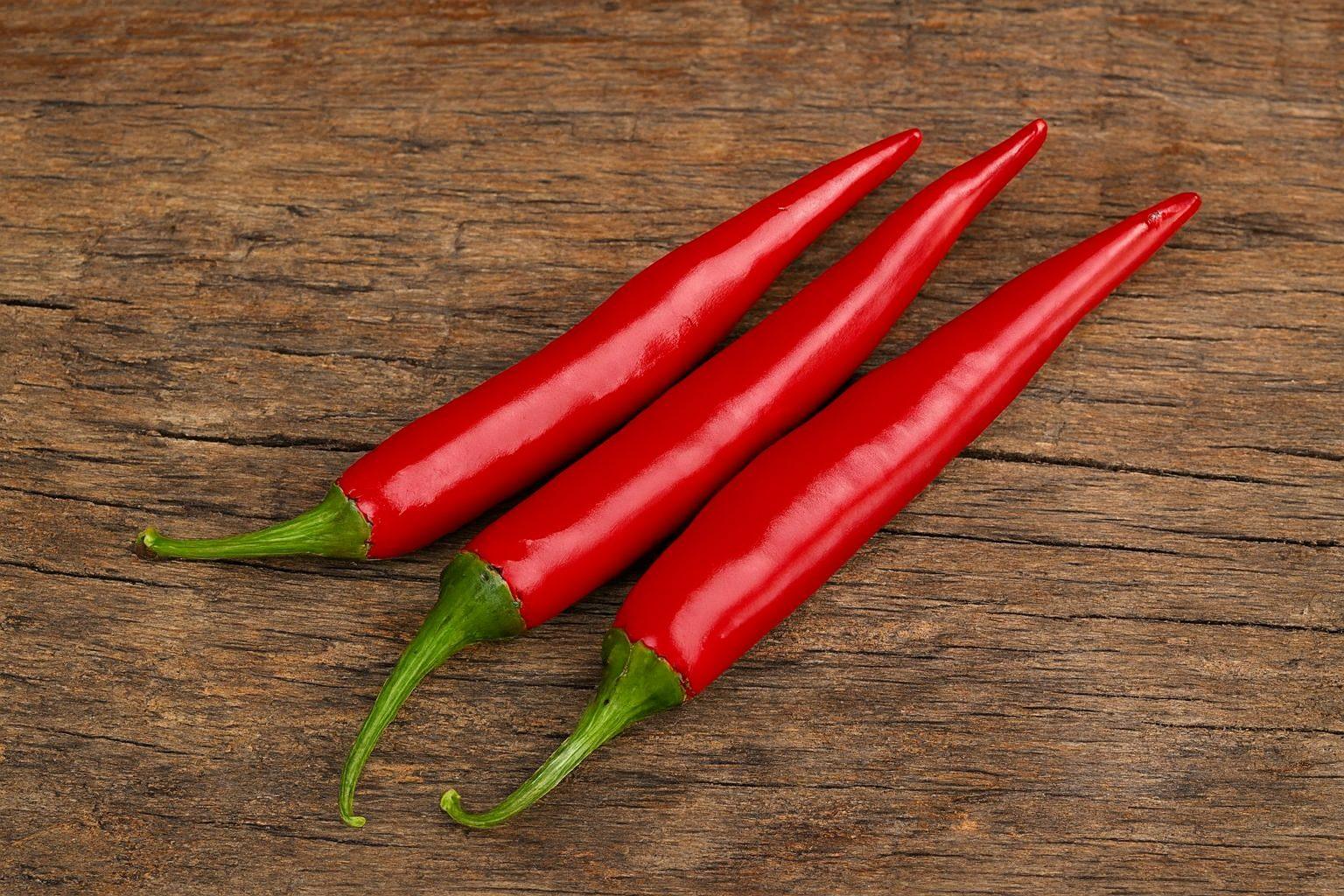
Description
Product Name: Red Hot Thai
Cultivar Name: Red Hot Thai
Species: Capsicum annuum
Common Names: Red Thai, Bird’s Eye Chili, Prik Kee Noo
Type: Heirloom
Origin & Lineage
Geographic Origin:
Native to Thailand, with historical cultivation across Vietnam, Cambodia, and Indonesia. Originally derived from Central American Capsicum annuum strains introduced via Portuguese trade routes in the 16th century.
Cultural Significance:
A cornerstone of Thai cuisine, Red Hot Thai peppers are revered for their intense heat, compact size, and vibrant red color. They symbolize culinary strength and are often used in rituals and festivals to showcase spice tolerance.
Historical Notes:
The Bird’s Eye type (Prik Kee Noo) is the most recognized variant. Its name refers to its small size and the fact that birds spread its seeds—immune to capsaicin. The cultivar has been stabilized across Southeast Asia and is now globally cultivated for ornamental and culinary use.
Lineage / Breeder History
Parentage:
Capsicum annuum landrace × Southeast Asian selection
Hybridizer:
Unspecified; stabilized through regional propagation
Selected Traits:
• Small, pointed pods with smooth skin
• Ripening sequence: green → bright red
• Fruity, smoky aroma with earthy undertones
• High heat with clean burn
• Compact growth habit with ornamental appeal
Stabilization Status:
Stable. Expresses consistently across climates with minor variation in pod size and pungency.
Heat Profile
Scoville Rating (SHU): 50,000–100,000 SHU
Perceived Heat: Hot
Heat Characteristics:
Sharp, immediate burn with tongue and lip impact. Heat builds quickly and fades within 15–20 minutes. Roughly 15–30× hotter than jalapeño. Comparable to cayenne but more aromatic.
Flavor Profile
Tasting Notes:
• Fruity and smoky with hints of citrus, garlic, and green herbs
• Slight sweetness when cooked
• Clean, earthy finish with lingering spice
Aftertaste / Finish:
Dry, aromatic finish with subtle bitterness
Ideal Pairings:
• Thai curries (green, red, panang)
• Stir-fries with basil and fish sauce
• Dipping sauces (Nam Jim, Sriracha)
• Spicy soups (Tom Yum, Tom Kha)
• Pickled rings for noodle dishes
Fruit Characteristics
Shape:
Small, tapered pods with pointed tips
Size:
2–5 cm long; 0.7–1 cm wide
Color Stages:
• Immature: Bright green
• Mid-stage: Orange-red blush
• Ripe: Glossy red
Wall Thickness:
Thin
Texture & Skin:
Smooth, waxy surface with firm flesh. High seed density.
Plant Details
Growth Habit:
Bushy and compact
Plant Height & Width:
Height: 25–35 cm
Width: 20–30 cm
Foliage:
Dark green, ovate leaves with sparse canopy
Flower Color:
White
Days to Maturity:
100–130 days from transplant
Yield:
Moderate — typically 50–100 pods per plant
Red Hot Thai plants are ideal for container gardening, raised beds, and ornamental borders. Their compact form and prolific fruiting make them suitable for small gardens and indoor cultivation.
Cultivation Information
Seed Count per Pack: 10 seeds
Germination Time: 7–14 days (Germinating Chilli Seeds)
Optimal Germination Temp: 26–30°C (Essential guide to ideal temperatures and humidity for chilli seed germination)
Light Requirements: Filtered sun (6–8 hrs/day)
Soil Preferences:
• pH: 5.5–7.0
• Rich, well-draining loam or potting mix (Easy DIY soil mixes)
• Benefits from compost and calcium supplementation
Watering:
Water every 2–3 days. Avoid waterlogging. Maintain consistent moisture.
Fertilization:
Apply balanced NPK (5-10-10) one month after transplant. Supplement with calcium during fruiting. Avoid excess nitrogen.
Support:
Not required; plant remains upright
Pruning:
Pinch growing tips to encourage branching. Remove lower leaves to improve airflow.
Storage Tips:
Store seeds in a cool, dry place. Refrigeration at 4–8°C extends viability. Avoid humidity and light exposure.
Notable Compounds
Capsaicinoid Content:
Moderate to high — primarily capsaicin and nordihydrocapsaicin
Volatile Flavor Compounds:
Limonene, pyrazines, and aldehydes contribute to fruity aroma
Pigments:
Capsanthin (red), carotenoids
Nutritional Value:
High in vitamin C, A, and antioxidants
Culinary & Cultural Use
Traditional Uses:
Used in Thai, Vietnamese, and Cambodian cuisine for sauces, soups, and stir-fries. Integral to Nam Prik, Sambal, and Sriracha preparations.
Raw vs Cooked Flavor:
Raw: Sharp, pungent, and fruity
Cooked: Smoky, sweet, and mellowed
Regional Dishes:
• Tom Yum soup with lemongrass and galangal
• Thai basil chicken with sliced red Thai chilies
• Green curry with coconut milk and chili paste
• Nam Jim dipping sauce with lime and garlic
• Thai fried rice with chili and fish sauce
Storage / Drying / Preserving Tips:
• Thin walls dry quickly for flakes or powder
• Pickles well in vinegar or brine
• Can be frozen whole or sliced
• Suitable for chili pastes and infused oils


Reviews
There are no reviews yet.