
Description
Product Name: Purple Pumpkin Chilli Seeds
Cultivar Name: Purple Pumpkin
Species: Capsicum annuum
Common Names: Purple Pumpkin Chilli, Pumpkin Pepper
Type: Ornamental / Hybrid
Origin & Lineage
Geographic Origin: The Purple Pumpkin pepper (Capsicum annuum) was developed by Dutch Grower Stefan Van Gelder in the Netherlands, a country known for its horticultural innovation and meticulous breeding programs. Van Gelder, whose work includes other rare cultivars like Pimenta Lisa, is celebrated for creating visually stunning and genetically stable pepper varieties that appeal to both collectors and culinary artists.
The Netherlands, despite its temperate climate, has become a hub for pepper breeding thanks to its advanced greenhouse infrastructure and seed development expertise. Purple Pumpkin was likely refined through controlled selection in greenhouse environments, allowing Van Gelder to stabilize its unique traits—such as upright pod orientation, pumpkin-like shape, and dramatic color transitions.
This cultivar reflects the Dutch tradition of precision agriculture, where aesthetics, flavor, and plant performance are harmonized. Its success has led to global distribution, with seeds now available in specialty markets across Europe, South Africa, and North America
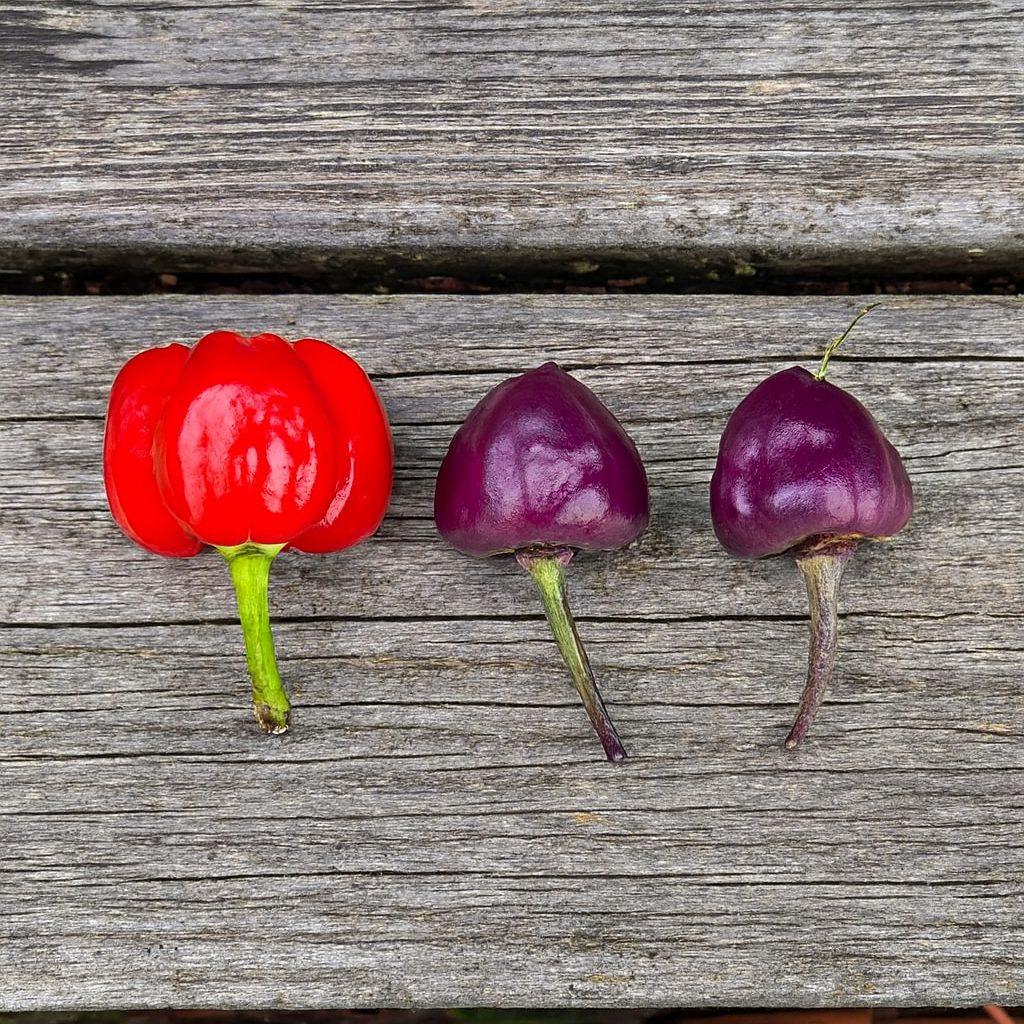
Cultural Significance: The Purple Pumpkin pepper is a standout in both ornamental gardening and culinary presentation. Its pods begin as deep violet, then transition through salmon, orange, and finally bright red—a visual spectacle that mimics the changing hues of autumn foliage. The upright, pumpkin-shaped fruits give the plant a whimsical, almost fairy-tale quality, making it a favorite in edible landscaping, container gardens, and boutique farms.
In the kitchen, Purple Pumpkin offers a sweet, peppery flavor with a gentle heat around 5,000 SHU, making it suitable for:
- Stuffing and roasting, where its thick walls hold shape and absorb flavor
- Fresh slicing, adding color and crunch to salads or salsas
- Fermentation, where its anthocyanin-rich skin contributes to vibrant brines
Its anthocyanin content not only enhances visual appeal but also offers antioxidant benefits, aligning with growing interest in nutritional ornamentals—plants that are both beautiful and health-promoting.
Collectors prize Purple Pumpkin for its rarity, phenotypic stability, and multi-stage color progression, often showcasing it in curated grow-outs or seed exchanges. Chefs, meanwhile, value its flavor complexity and plating potential, especially in fusion cuisine and seasonal menus.
Lineage / Hybridizer History: Purple Pumpkin is a stabilized selection from Capsicum annuum lines known for high anthocyanin expression. While its exact parentage remains proprietary, it is believed to descend from ornamental annuum types.
The cultivar’s pigmentation is driven by anthocyanin biosynthesis, a trait regulated by genes such as DFR, ANS, and UFGT, and influenced by environmental factors like light exposure. Studies show that purple peppers often contain delphinidin-based metabolites, which are responsible for their deep violet coloration and antioxidant properties.
Van Gelder’s breeding approach likely involved:
- Selective propagation of plants with upright growth and pumpkin-shaped pods
- Stabilization of color transitions through multiple generations
- Enhancement of flavor and texture while maintaining ornamental appeal
Unlike unstable hybrids that vary widely in phenotype, Purple Pumpkin exhibits consistent pod shape, color progression, and flavor, making it suitable for both seed saving and commercial cultivation. Its success has inspired further breeding efforts focused on multi-color ornamental edibles, a growing niche in the pepper world.
Heat Profile
Scoville Rating (SHU): 5,000–10,000 SHU
Perceived Heat: Medium
Heat Characteristics: Rounded and gentle. The burn is warm and full-bodied, with a sweet front and peppery finish. Suitable for fresh use, pickling, and light sauces.
Flavor Profile
Tasting Notes: Pleasantly sweet and crisp with subtle fruitiness and a peppery edge. No bitterness, even when underripe.
Aftertaste / Finish: Clean and mellow with a lingering warmth
Ideal Pairings:
- Pickled whole for visual and flavor impact
- Sliced into salads and wraps
- Roasted for sweet pepper sauces
- Stir-fried with garlic and soy
- Garnished raw on fusion dishes
Fruit Characteristics
Shape: Upright, pumpkin-shaped pods with ribbed shoulders
Size: 3–4 cm diameter, 2–3 cm tall
Color Stages:
- Immature: Deep purple
- Mid-stage: Lavender → Peach → Orange
- Ripe: Vibrant red
Wall Thickness: Medium
Texture & Skin: Smooth and glossy; firm and crisp
Plant Details
Growth Habit: Upright and vertical; more columnar than bushy
Plant Height & Width:
Height: 80–120 cm
Width: 40–60 cm
Foliage: Bright green with occasional purple veining
Flower Color: White
Days to Maturity: 90–100 days from transplant
Yield: High – prolific fruiting throughout the season
Cultivation Information
Seed Count per Pack: 5 or 10 seeds
Germination Time: 7–14 days (Germinating Chilli Seeds)
Optimal Germination Temp: 26–32°C (Essential guide to ideal temperatures and humidity for chilli seed germination)
Light Requirements: Filtered sun
Soil Preferences:
- pH: 6.2–6.8
- Well-draining, fertile soil (Easy DIY soil mixes)
- Benefits from compost and potassium-rich feeding
Storage Tips: Store Purple pumpkin pepper seeds in a cool, dry place. Refrigeration at 4–8°C extends viability. Avoid humidity and direct light.
Notable Compounds
Capsaicinoid Content: Moderate capsaicin and nordihydrocapsaicin; heat concentrated in placenta
Pigments: Anthocyanins drive purple coloration; carotenoids like capsanthin and beta-carotene emerge during ripening
Volatile Flavor Compounds: Limonene and esters contribute to fruity aroma
Culinary & Cultural Use
Traditional Uses: Not tied to traditional cuisine, but ideal for modern dishes requiring color contrast and medium heat
Raw vs Cooked Flavor: Raw Purple pumpkin pepper pods are crisp and sweet. Cooking enhances fruitiness and softens texture. Pickling preserves color and adds tang.
Regional Dishes:
- European-style pickled pepper blends
- Fusion stir-fries and wraps
- Sweet pepper chutneys
- Decorative garnishes for plated dishes
Storage / Drying / Preserving Tips:
- Excellent for pickling and fresh use
- Can be dried whole or sliced
- Powdered form retains sweetness and color for spice blends



Reviews
There are no reviews yet.