

Description
Piment de Bresse
Product Name: Piment de Bresse
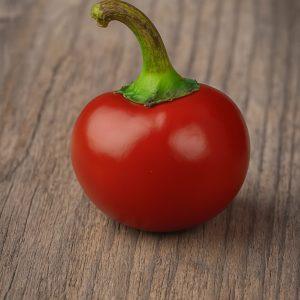
Piment de Bresse is a rare heirloom cultivar of Capsicum annuum, historically cultivated in the Bresse region of eastern France. Revered for its fruity sweetness, moderate heat, and cultural legacy, this pepper has been rediscovered and reintroduced into modern horticulture after decades of obscurity. Its vibrant red pods, compact growth habit, and culinary versatility make it a prized addition to heritage gardens and gourmet kitchens alike. Though once nearly lost to time, Piment de Bresse now thrives again, thanks to dedicated preservation efforts and renewed interest in forgotten French cultivars.
Cultivar Name: Piment de Bresse (also known as Poivre Rouge de Bresse)
Species: Capsicum annuum
Common Names: Lyon Pepper, Piment de la Bresse, Poivre Rouge de Romenay
Type: Heirloom
Origin & Lineage
Geographic Origin:
This cultivar originates from the Bresse plain in the Auvergne-Rhône-Alpes region of France, particularly around the village of Romenay in Saône-et-Loire. First documented in the 14th century, it was cultivated as a local substitute for expensive imported black pepper. The pepper adapted well to the cool continental climate of eastern France, thriving in the mineral-rich soils and moderate summer temperatures of the Ain department.
Cultural Significance:
Piment de Bresse holds deep culinary and folkloric significance. Historically, it was used to season regional dishes and preserve meats, especially in the preparation of pourri bressan, a pungent local cheese. Women would string the peppers into garlands and hang them from balconies to dry, a tradition that added both function and visual charm to village life. Though its cultivation waned in the mid-20th century, the pepper has been revived through seed bank recovery and local initiatives, symbolizing the broader movement to reclaim France’s forgotten vegetables (légumes oubliés).
Lineage / Hybridizer History:
The cultivar is open-pollinated and considered genetically stable. Its lineage traces back to early European introductions of Capsicum annuum from the Americas, likely brought by Spanish traders. In the 2010s, Lyonnais chef Christian Têtedoie sourced seeds from the Vavilov Institute in St. Petersburg to reintroduce the variety to its native region. Since then, it has been cultivated by farms such as Ferme de Tiret, which produce sauces and powders under the name “Bressico.” No formal hybridization has been documented, and the variety remains true to its Heirloom status.
Heat Profile
Scoville Rating (SHU): 1,500–2,500 SHU
Perceived Heat: Mild (50 to 1,000 SHU) to Medium (1,000 to 15,000 SHU), depending on maturity and growing conditions
Heat Characteristics:
The heat of Piment de Bresse is gentle and warming, with a slow build and clean finish. It is concentrated in the placental tissue and inner membranes, and while not overpowering, it adds a pleasant kick to sauces and meats. The heat intensifies slightly as the fruit ripens and is further concentrated during drying. Unlike sharper cultivars, this pepper’s burn is subtle and well-integrated into its flavor profile.
Flavor Profile
Tasting Notes:
Fresh pods deliver a sugary, fruity flavor with notes of ripe tomato, berry, and hay. The sweetness is balanced by a mild acidity, making it suitable for both raw and cooked applications. When dried, the flavor deepens into a smoky, slightly earthy tone with hints of caramelized sugar.
Aftertaste / Finish:
The finish is smooth and lingering, with a mild bitterness that complements fatty or umami-rich ingredients. Powdered Piment de Bresse retains its aromatic complexity and is often compared to mild paprika with added depth.
Ideal Pairings:
- French charcuterie and pâtés
- Roasted poultry and duck
- Cream-based sauces and vinaigrettes
- Fromage fort and other aged cheeses
- Tomato-based stews and coulis
Fruit Characteristics
Shape: Elongated, conical pods with a pointed tip
Size: 5–8 cm long, 2 cm diameter
Color Stages:
- Immature: green
- Ripe: vibrant red
Wall Thickness: Medium
Texture & Skin: Slightly wrinkled with a glossy finish; leathery when dried
Plant Details
Growth Habit: Compact
Plant Height & Width: 45–50 cm tall, 30–40 cm wide
Foliage: Light to medium green, non-variegated; slight pubescence on stems
Flower Color: White
Days to Maturity: 60–75 days from germination
Yield: Moderate – typically 1.5 to 2 kg of fruit per plant per season
Cultivation Information
Seed Count per Pack: 5 or 10 seeds (Presoaking Chilli Seeds)
Germination Time: 14–21 days (Germinating Chilli Seeds)
Optimal Germination Temp: 25–30°C (Essential guide to ideal temperatures and humidity for chilli seed germination)
Light Requirements: Filtered sun
Soil Preferences:
- pH: 6.0–6.8
- Deep, loose, well-drained soil
- High organic matter content (Easy DIY soil mixes)
Storage Tips:
Store seeds in airtight containers in a cool, dry place. For long-term viability, refrigeration at 4–8°C is recommended. Avoid exposure to humidity and direct sunlight.
Notable Compounds
Capsaicinoid Content:
- Capsaicin (low concentration)
- Dihydrocapsaicin (trace levels)
Volatile Flavor Compounds:
Anthocyanins / Pigments:
While Piment de Bresse does not exhibit purple pigmentation, its red coloration is attributed to carotenoids such as capsanthin and beta-carotene. These compounds contribute to both antioxidant properties and visual appeal.
Culinary & Cultural Use
Traditional Uses:
- Powdered seasoning for meats and sauces
- Ingredient in fromage fort, a pungent regional cheese
- Garnish for cold cuts and terrines
- Infused oils and vinegars
Raw vs Cooked Flavor:
Raw pods are crisp and fruity, ideal for fresh salads and garnishes. Cooking enhances sweetness and reduces acidity, especially when roasted or grilled. Powdered form is preferred for seasoning and preservation.
Regional Dishes:
- Pourri bressan – aged cheese with pepper infusion
- Coulis de poivron rouge – red pepper sauce
- Terrine de campagne – country-style pâté with Espelette or Bresse pepper
- Bressico sauce – locally bottled hot sauce made from Piment de Bresse
Storage / Drying / Preserving Tips:
- Air-dry pods in garlands hung in a ventilated area
- Use dehydrators at 45–50°C for consistent drying
- Store dried pods in glass jars with desiccant packs
- Powder only when fully brittle; avoid additives
- Preserve in vinegar or oil for extended shelf life



Reviews
There are no reviews yet.