

Description
Piment d Espelette
Product Name: Piment d Espelette Gorria
Piment d Espelette is a celebrated Heirloom cultivar of Capsicum annuum, cultivated exclusively in the Basque region of southwestern France. Known for its mild heat, fruity aroma, and deep cultural heritage, this pepper has earned Protected Designation of Origin (PDO) status, ensuring its authenticity and regional integrity. Its vibrant red pods are traditionally sun-dried and ground into a fine powder, which has become a cornerstone of Basque and French cuisine. Piment d’Espelette is not only a culinary treasure but also a symbol of terroir, craftsmanship, and regional pride.
Cultivar Name: Piment d Espelette Gorria
Species: Capsicum annuum
Common Names: Espelette Pepper, Ezpeletako Biperra (Basque)
Type: Heirloom
Origin & Lineage
Geographic Origin:
Piment d Espelette originates from the commune of Espelette in the Pyrénées-Atlantiques department of France. The pepper was introduced to the Basque region in the 16th century, likely by navigator Gonzalo Percaztegi following voyages with Christopher Columbus. Over time, it adapted to the region’s humid subtropical microclimate, thriving in the mineral-rich soils and gentle Atlantic breezes of the Labourd province. Today, it is cultivated in ten designated communes, including Ainhoa, Cambo-les-Bains, and Saint-Pée-sur-Nivelle.
Cultural Significance:
Historically, Piment d Espelette replaced black pepper in Basque kitchens due to its affordability and availability. It was used not only as a seasoning but also as a preservative for meats, particularly Bayonne ham. Women traditionally strung the peppers into cords and hung them on balconies to dry, a practice that continues today and has become a visual hallmark of the region. The pepper is also featured in the annual Espelette Pepper Festival, attracting thousands of visitors and celebrating the spice’s cultural and economic importance.
Lineage / Hybridizer History:
Piment d Espelette descends from Central and South American Capsicum annuum varieties brought to Europe by Spanish and Portuguese explorers. Through centuries of farmhouse selection, Basque growers stabilized the Gorria variety, which is now the only officially recognized seed for PDO Espelette production. No modern hybridization has occurred; the cultivar remains open-pollinated and true to its regional lineage.
Heat Profile
Scoville Rating (SHU): 500–4,000 SHU
Perceived Heat: Mild (50 to 1,000 SHU)
Heat Characteristics:
The heat of Piment d Espelette is subtle and progressive. It does not overwhelm the palate but rather enhances flavors with a gentle warmth. The spiciness is more noticeable in fresh pods, while drying intensifies the smoky and sweet notes. Unlike cayenne or jalapeño, Espelette’s heat is often described as elegant—lingering without dominating.
Flavor Profile
Tasting Notes:
Fresh Piment d Espelette peppers offer a fruity sweetness with hints of tomato, hay, and sun-dried berries. When dried and ground, the flavor becomes more concentrated, revealing smoky undertones and a delicate bitterness. The powder is often compared to mild paprika but with greater aromatic complexity.
Aftertaste / Finish:
The finish is long and layered, with a crescendo of sweet and savory notes. A slight bitterness may emerge, especially in powdered form, but it is balanced by the pepper’s natural sugars and aromatic oils.
Ideal Pairings:
- Duck confit and foie gras
- Piperade (Basque pepper-tomato-onion relish)
- Cream sauces and vinaigrettes
- Dark chocolate and fruit-based desserts
- Grilled seafood and lamb
Fruit Characteristics
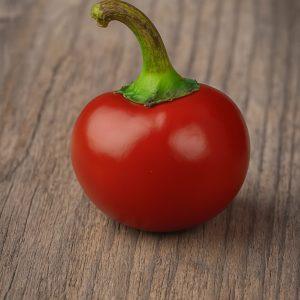
Shape: Conical, slightly curved with a pointed tip
Size: 7–14 cm long, 2–3 cm diameter
Color Stages:
- Immature: green
- Ripe: deep red
Wall Thickness: Medium
Texture & Skin: Smooth, glossy skin; soft to the touch when fresh; leathery when dried
Plant Details
Growth Habit: Bushy
Plant Height & Width: 60–80 cm tall, 45–60 cm wide
Foliage: Dark green, non-variegated; slight pubescence on stems
Flower Color: White
Days to Maturity: 80–100 days from germination
Yield: Moderate – typically 50–100 pods per plant under optimal conditions
Cultivation Information
Seed Count per Pack: 5 or 10 seeds (Presoaking Chilli Seeds)
Germination Time: 7–14 days (Germinating Chilli Seeds)
Optimal Germination Temp: 25–30°C (Essential guide to ideal temperatures and humidity for chilli seed germination)
Light Requirements: Filtered sun
Soil Preferences:
- pH: 6.0–6.8
- Well-drained loamy soil
- Rich in organic matter (Easy DIY soil mixes)
Storage Tips:
Store Piment d Espelette seeds in airtight containers in a cool, dry place. Refrigeration at 4–8°C is recommended for long-term viability. Avoid exposure to humidity and direct sunlight.
Notable Compounds
Capsaicinoid Content:
- Capsaicin (low concentration)
- Dihydrocapsaicin (trace levels)
Volatile Flavor Compounds:
Anthocyanins / Pigments:
While Piment d Espelette peppers do not exhibit purple pigmentation, their deep red hue is attributed to carotenoids such as capsanthin and beta-carotene. These pigments contribute to both color and antioxidant properties.
Culinary & Cultural Use
Traditional Uses:
- Preserving meats such as Bayonne ham
- Seasoning Basque stews and sauces
- Enhancing chocolate and baked goods
- Infusing oils and salts
Raw vs Cooked Flavor:
Raw Piment d Espelette peppers are mildly sweet and fruity, ideal for fresh garnishes. Cooking intensifies their smoky and savory qualities, especially when roasted or sautéed. Powdered Espelette is often used as a finishing spice, adding depth without overpowering.
Regional Dishes:
- Piperade – a Basque relish of onions, tomatoes, and Espelette pepper
- Axoa de veau – veal stew with Espelette seasoning
- Poulet basquaise – chicken braised with peppers and tomatoes
- Basquaise sauce – tomato-based sauce infused with Espelette powder
- Crème brûlée au piment d’Espelette – a modern dessert variation
Storage / Drying / Preserving Tips:
- Hang cords of fresh peppers in a dry, ventilated area for sun-drying
- Use dehydrators at 45–50°C for consistent drying
- Store dried pods in airtight containers away from light
- Grind into powder only when fully brittle; avoid additives or preservatives
- Powder should be consumed within 6 months of opening for optimal flavor

Reviews
There are no reviews yet.