

Description
Product Name: Piman Kabri
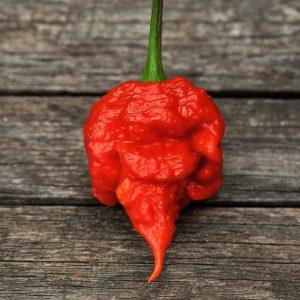
Piman Kabri is a visually striking and culturally significant chili cultivar belonging to the Capsicum chinense species. This heirloom variety, native to the Seychelles archipelago, is revered for its intense heat, aromatic complexity, and unique pod shape that resembles a flattened strawberry. Known locally as “goat pepper,” Piman Kabri is deeply embedded in Creole culinary traditions and is widely cultivated across the islands for its fiery flavor and versatility. With its vibrant red coloration, fruity aroma, and Scoville rating that rivals the hottest Scotch bonnets, this cultivar offers both ornamental appeal and culinary firepower.
- Cultivar Name: Piman Kabri
- Species: Capsicum chinense
- Common Names: Goat Pepper, Seychelles Scotch Bonnet
- Type: Heirloom
Origin & Lineage
Geographic Origin:
Piman Kabri originates from the Seychelles, a tropical island nation in the Indian Ocean. It is one of the most widely grown chili varieties in the region, alongside Piman Martin (bird’s eye chili). The cultivar thrives in the humid, coastal climate of the islands, where it has been cultivated for generations in home gardens, community plots, and small-scale farms. Its adaptation to local conditions has resulted in a robust plant with high resistance to humidity and consistent fruiting across seasons.
Cultural Significance:
In Seychellois Creole cuisine, Piman Kabri holds a central role. It is used fresh in chili sauces, ground into pastes, and incorporated into curries, stews, and grilled seafood dishes. The name “Kabri,” meaning goat, is said to reference the pepper’s aroma, which some locals associate with the scent of goat meat. This connection has given rise to its nickname “goat pepper.” Beyond its culinary use, Piman Kabri is also valued for its symbolic intensity—representing boldness, heat, and island pride. It is often featured in local food festivals and is a staple condiment in households across the archipelago.
Lineage / Hybridizer History:
Piman Kabri is a naturally stabilized heirloom variety, preserved through open-pollinated cultivation and seed saving. It shares genetic lineage with Caribbean Scotch bonnets and other Capsicum chinense types, though its pod shape, aroma, and heat profile distinguish it from its relatives. No single breeder is credited with its development; rather, it has been refined over generations by Seychellois farmers and gardeners who selected for pungency, pod uniformity, and disease resistance.
Heat Profile
Scoville Rating (SHU):
150,000–325,000 SHU
Perceived Heat:
Extremely Hot (150,000 to 500,000 SHU)
Heat Characteristics:
The burn delivered by Piman Kabri is sharp, immediate, and persistent. It begins with a sting on the tongue and quickly spreads across the palate and throat. The heat builds rapidly, peaking within 30 seconds and lingering for up to 15 minutes. Despite its intensity, the burn is clean and does not carry the acrid bitterness found in some unstable superhots. The pepper’s thick walls and high capsaicinoid concentration contribute to a slow-building, long-lasting burn that integrates well into cooked dishes.
Flavor Profile
Tasting Notes:
Piman Kabri offers a bold, fruity flavor with floral undertones and a hint of smokiness. The aroma is complex, with notes reminiscent of tropical fruit and, according to local lore, a faint resemblance to goat meat. When used fresh, the flavor is bright and aromatic; when fermented or roasted, it develops deeper, earthy tones.
Aftertaste / Finish:
The finish is smoky and slightly bitter, with lingering heat that dominates the palate. Roasting enhances the pepper’s natural sugars and brings out caramelized undertones, while fermentation reveals layered acidity and depth.
Ideal Pairings:
- Creole chili sauces
- Grilled fish and seafood
- Coconut-based curries
- Pickled vegetable platters
- Roasted meat rubs
Fruit Characteristics
Shape:
Flattened and lobed, resembling a strawberry or bonnet
Size:
Approximately 4–5 cm long, 2–3 cm diameter
Color Stages:
Immature: pale green → Intermediate: bright green → Ripe: fiery red (with white variants also documented)
Wall Thickness:
Medium
Texture & Skin:
Wrinkled and glossy, with firm flesh and a crisp bite
Plant Details
Growth Habit:
Bushy
Plant Height & Width:
Height: 80–100 cm
Width: 60–80 cm
Foliage:
Dark green, slightly pubescent
Flower Color:
White
Days to Maturity:
100–120 days from transplant
Yield:
Moderate – estimated 50–80 pods per plant under optimal conditions
Cultivation Information
Seed Count per Pack:
5 or 10 seeds (Presoaking Chilli Seeds)
Germination Time:
7–14 days (Germinating Chilli Seeds)
Optimal Germination Temp:
25–30°C (Essential guide to ideal temperatures and humidity for chilli seed germination)
Light Requirements:
Filtered sun
Soil Preferences:
- pH: 6.0–6.8
- Well-drained loamy soil
- High organic matter content (Easy DIY soil mixes)
Storage Tips:
Store seeds in airtight containers in a cool, dry place. Silica gel packets may be used to reduce moisture. Avoid refrigeration unless seeds are vacuum-sealed.
Notable Compounds
Capsaicinoid Content:
High concentrations of capsaicin and dihydrocapsaicin contribute to its extreme heat. These compounds are concentrated in the placenta and locular tissue.
Volatile Flavor Compounds:
Limonene and aldehydes contribute to the pepper’s fruity and smoky aroma, especially when fermented
Anthocyanins / Pigments:
No purple pigmentation is expressed. The red coloration is driven by carotenoid pathways and chlorophyll degradation during ripening
Culinary & Cultural Use
Traditional Uses:
Piman Kabri is traditionally used in Seychellois chili sauces, coconut curries, and grilled seafood dishes. Its thick walls and intense heat make it ideal for stuffing, roasting, and fermenting. In Creole kitchens, it is often sliced fresh into tomato and onion salads or preserved in vinegar with garlic and herbs.
Raw vs Cooked Flavor:
Raw: fruity, floral, and explosively hot
Cooked: flavor deepens, sugars caramelize, and heat becomes more integrated
Regional Dishes:
- Chili chutney with grilled fish
- Bouyon bred (leafy vegetable broth) with chili paste
- Piman Kabri pickles with garlic and lime
- Coconut fish curry with fresh chili slices
Storage / Drying / Preserving Tips:
- Air-dry whole pods in shaded, ventilated areas to preserve color and potency
- Use dehydrators at low temperatures to retain volatile compounds
- Ferment in 2–3% salt brine for 4–6 weeks to develop complex flavor profiles
- Store dried pods in vacuum-sealed bags or glass jars with desiccants
- Grind into flakes or powder for long-term spice blends



Reviews
There are no reviews yet.