
Description
Product Name: Peri-Peri Chilli
Cultivar Name: Peri-Peri Chilli (African Bird’s Eye)
Species: Capsicum frutescens
Common Names: Peri-Peri Chilli, Piri-Piri, Pili-Pili, African Devil, Bird’s Eye Chilli
Type: Stable landrace and Heirloom
Origin & Lineage
Geographic Origin: The Peri-Peri Chilli, also known as African Bird’s Eye, is a landrace cultivar native to southeastern Africa, particularly Mozambique, Malawi, and South Africa. Though all chilli peppers trace their ancestry to Central and South America, Peri-Peri chilli was introduced to Africa by Portuguese explorers in the late 15th century. It quickly naturalized and evolved into a distinct regional variety, thriving in the hot, arid conditions of the African savannah.
The name “Peri-Peri” derives from the Swahili word pilipili, meaning “pepper.” It is also known as piri-piri in Portuguese-speaking regions and pili-pili in parts of Central Africa. The cultivar is widely grown across the continent and has become a cultural and culinary icon in both African and Portuguese gastronomy.
Cultural Significance: Peri-Peri chillies are central to the culinary identity of southern Africa. They are used in sauces, marinades, pickles, and dry rubs, and are the defining ingredient in the globally recognized Peri-Peri sauce. In Mozambique and Angola, the chilli is used in traditional seafood dishes, while in South Africa, it is a staple in braai culture and Portuguese fusion cuisine.
The pepper’s popularity has spread globally, with commercial cultivation now occurring in Portugal, India, and South America. It is also the signature chilli behind the success of international restaurant chains that specialize in flame-grilled chicken and peri-peri sauces.
Lineage / Hybridizer History
Parentage: Wild Capsicum frutescens populations introduced from South America and stabilized through centuries of African cultivation
Breeders selected for:
• Small, upright pods with intense heat
• Thin walls for rapid drying and powder production
• Fruity, smoky flavor with citrus undertones
• High yield and drought tolerance
• Resistance to common pests and diseases
Stabilization Status: Peri-Peri Chilli is a Stable landrace cultivar. Widely available through African seed networks and international heirloom vendors. Open-pollinated and true to type across generations.
Heat Profile
Scoville Rating (SHU): 50,000–175,000 SHU
Perceived Heat: Very hot
Heat Characteristics: Peri-Peri Chilli delivers a sharp, immediate burn that peaks quickly and fades cleanly. The heat is concentrated in the placenta and seed membranes. It is significantly hotter than cayenne but smoother than habanero, making it ideal for sauces and seasoning blends.
Flavor Profile
Tasting Notes:
Bright, smoky, and slightly sweet with notes of lemon zest, charred peach, and green herbs. The flavor is complex and aromatic, with a clean finish that complements both meat and vegetable dishes.
Aftertaste / Finish:
Lingering warmth with a dry, citrusy finish and subtle floral undertones
Ideal Pairings:
• Flame-grilled chicken and seafood marinades
• Tomato-based sauces and chutneys
• Pickled vegetable relishes
• Infused oils and vinegars
• Dry rubs for lamb, beef, and game
• Powdered blends for popcorn, chips, and roasted nuts
Fruit Characteristics
Shape:
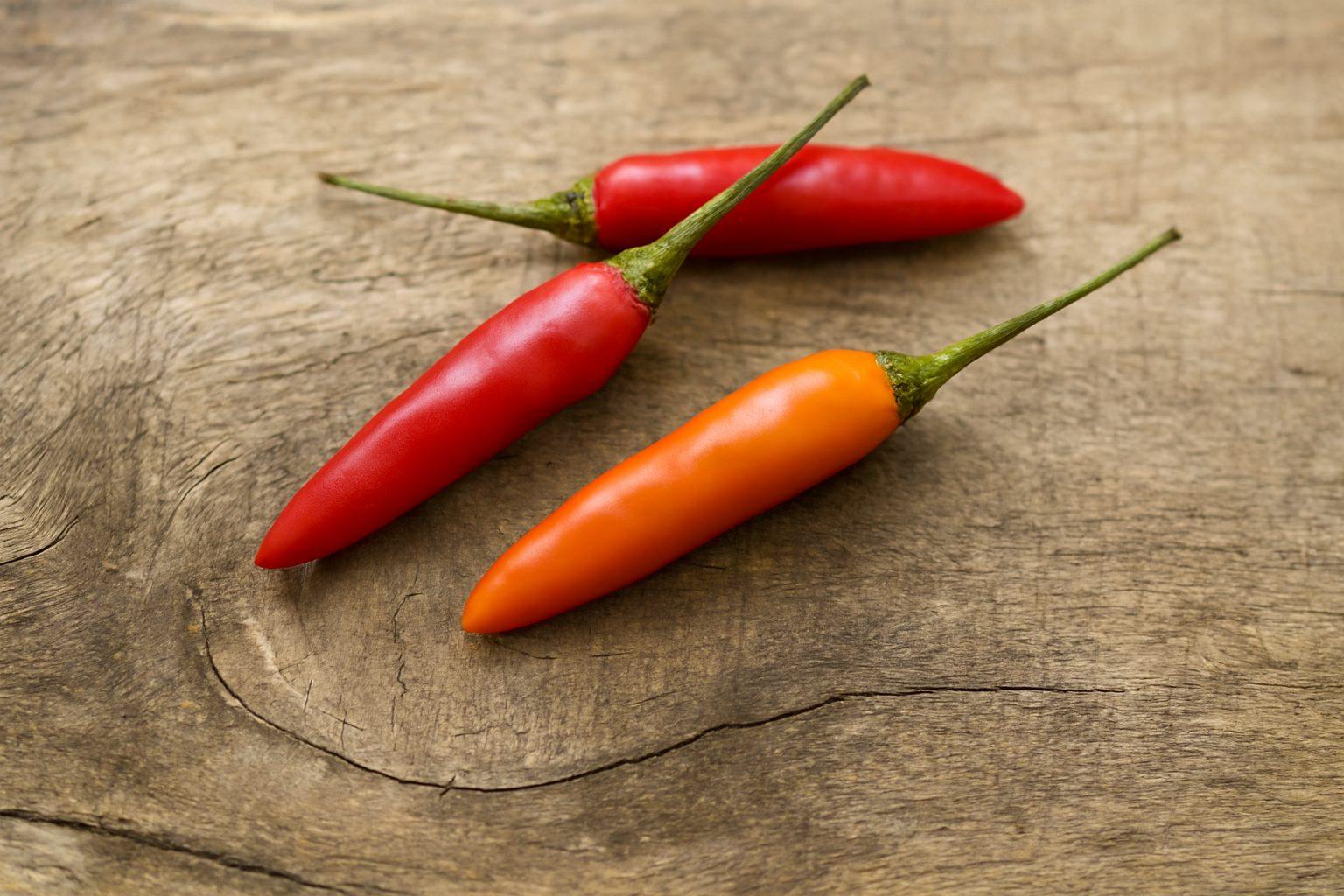
Small, tapered pods with pointed tips; often upright on the plant
Size:
2–4 cm long, 0.5–1 cm wide
Color Stages:
• Immature: Bright green
• Ripe: Glossy red
• Overripe: May deepen to crimson or purple
Wall Thickness:
Thin
Texture & Skin:
Smooth, glossy skin with firm flesh. Ideal for drying and grinding.
Plant Details
Growth Habit:
Bushy and compact
Plant Height & Width:
Height: 60–90 cm
Width: 45–60 cm
Foliage:
Dark green, narrow leaves with dense branching
Flower Color:
White
Days to Maturity:
90–110 days from transplant
Yield:
High — typically 50–100 pods per plant under optimal conditions
Peri-Peri Chilli plants are vigorous and well-suited to hot, dry climates. They perform well in containers, raised beds, and field rows. Their compact size makes them ideal for small-space cultivation and edible landscaping.
Cultivation Information
Seed Count per Pack: 5 or 10 seeds (Presoaking Chilli Seeds)
Germination Time: 10–20 days (Germinating Chilli Seeds)
Optimal Germination Temp: 26–32°C (Essential guide to ideal temperatures and humidity for chilli seed germination)
Light Requirements: Filtered sun
Soil Preferences:
• pH: 6.0–6.8
• Well-draining loam enriched with compost (Easy DIY soil mixes)
• Benefits from potassium-rich feeding and calcium supplementation
Watering:
Maintain consistent moisture. Avoid waterlogging. Mulch to retain soil moisture and suppress weeds.
Fertilization:
Apply balanced NPK fertilizer every 3–4 weeks. Supplement with micronutrients during flowering.
Pruning:
Pinch growing tips to encourage branching. Remove lower leaves to improve airflow and light penetration.
Storage Tips:
Store seeds in a cool, dry place. Refrigeration at 4–8°C extends viability. Avoid humidity and direct light.
Notable Compounds
Capsaicinoid Content:
High — primarily capsaicin and dihydrocapsaicin
Volatile Flavor Compounds:
Limonene, methyl anthranilate, and esters contribute to citrus and smoky aroma
Pigments:
Red coloration driven by capsanthin and beta-carotene
Nutritional Value:
Rich in vitamin C, vitamin A, and antioxidants. Contains dietary fiber and trace minerals.
Culinary & Cultural Use
Traditional Uses:
Used in Mozambican, South African, and Portuguese cuisine for sauces, marinades, and pickles. Central to the creation of Peri-Peri sauce and grilled chicken dishes.
Raw vs Cooked Flavor:
Raw: Sharp, smoky, and intensely hot
Cooked: Mellowed heat with enhanced sweetness and depth
Regional Dishes:
• Mozambican Peri-Peri prawns
• South African flame-grilled chicken
• Portuguese Peri-Peri sauce and marinades
• Angolan fish stews with Peri-Peri infusion
• Pickled Peri-Peri chillies for table seasoning
Storage / Drying / Preserving Tips:
• Ideal for drying and powdering
• Can be frozen whole or sliced
• Suitable for fermentation and mash production
• Preserves well in vinegar or oil infusions


Reviews
There are no reviews yet.