

Description
Paixão Neyde
Product Name: Paixão Neyde
Paixão Neyde is a rare and visually arresting chilli cultivar that merges ornamental elegance with culinary firepower. This semi-stable hybrid, derived from the enigmatic Pimenta da Neyde lineage, showcases deep plum-purple pods that mature to vibrant hues of orange and red. While its aesthetic appeal is undeniable, Paixão Neyde also delivers a complex flavor profile and formidable heat, making it a prized addition to both gardens and kitchens. Its name—translating to “Neyde’s Passion”—pays homage to the cultivar’s Brazilian roots and the passionate community that has preserved and propagated it.
Cultivar Name: Paixão Neyde
Species: Capsicum chinense
Common Names: Neyde’s Passion, Purple Ghost
Type: Hybrid
Origin & Lineage
Geographic Origin:
Paixão Neyde originates from Brazil, a country renowned for its biodiversity and rich chilli heritage. It is believed to have emerged as a natural hybrid in domestic gardens, combining traits from Capsicum annuum and Capsicum chinense. The cultivar was first observed in the garden of Neyde Hidalgo, a Brazilian enthusiast whose discovery sparked widespread interest among chilli growers and breeders.
Cultural Significance:
Though not traditionally used in ritual or folklore, Paixão Neyde has gained cultural traction among Brazilian growers and international collectors. Its striking coloration and intense heat have made it a symbol of ornamental excellence and culinary experimentation. In Brazil, purple chillies are often used as visual garnishes in festive dishes and sauces, contributing to the cultivar’s growing reputation.
Lineage / Hybridizer History:
The original parentage of Paixão Neyde traces back to Pimenta da Neyde, itself a spontaneous hybrid discovered by Neyde Hidalgo. While the exact genetic lineage remains partially undocumented, it is widely accepted that Paixão Neyde is a second-generation hybrid stabilized through selective breeding. Its semi-stable nature means that while most traits remain consistent, occasional phenotypic variation may occur. The cultivar has been distributed through specialty seed vendors and enthusiast forums, with ongoing efforts to stabilize its traits further.
Heat Profile
Scoville Rating (SHU): 150,000–250,000 SHU
Perceived Heat: Extremely Hot (150,000 to 500,000 SHU)
Heat Characteristics:
The heat of Paixão Neyde is immediate and penetrating, with a sharp onset that intensifies over several seconds. It is comparable to mid-range habaneros and Thai chillies, delivering a clean burn that lingers on the palate. The pungency is concentrated in the placenta and inner walls, and it has been noted that the heat may vary slightly depending on growing conditions and pod maturity. When dried or fermented, the heat becomes more rounded and earthy, offering depth without overwhelming the dish.
Flavor Profile
Tasting Notes:
Paixão Neyde offers a fruity, floral flavor with hints of apple, plum, and citrus. The aroma is sweet and perfumed, reminiscent of tropical blossoms. Despite its ornamental classification, the cultivar possesses a flavor complexity that rivals culinary chillies.
Aftertaste / Finish:
The finish is slightly bitter with a dry, tannic edge. Floral notes persist, especially when the pods are consumed raw. Cooking tends to mellow the bitterness and enhance the fruitiness, particularly when roasted or grilled.
Ideal Pairings:
- Fermented hot sauces
- Tropical fruit chutneys
- Roasted meats and root vegetables
- Pickled relishes
- Infused oils and vinegars
Fruit Characteristics
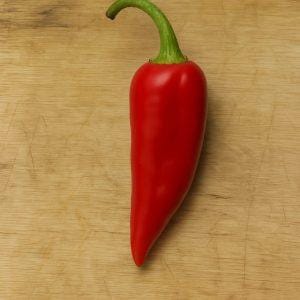
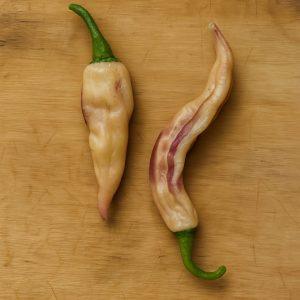
Shape: Tapered, ghost-like pods with a slight curve
Size: 4–5 cm long, 2 cm diameter
Color Stages:
- Immature: deep plum-purple
- Ripe: orange to red, with occasional lavender hues
Wall Thickness: Medium
Texture & Skin: Smooth with occasional blistering; glossy finish
Plant Details
Growth Habit: Bushy
Plant Height & Width: 100–150 cm tall, 60–90 cm wide
Foliage: Dark green to purple, pubescent
Flower Color: White with purple streaks
Days to Maturity: 90–120 days from transplant
Yield: Moderate – typically 60–120 pods per plant under optimal conditions
Cultivation Information
Seed Count per Pack: 5 or 10 seeds (Presoaking Chilli Seeds)
Germination Time: 7–14 days (Germinating Chilli Seeds)
Optimal Germination Temp: 25–30°C (Essential guide to ideal temperatures and humidity for chilli seed germination)
Light Requirements: Filtered sun
Soil Preferences:
- pH: 6.0–6.8
- Well-drained loamy soil
- High organic matter content (Easy DIY soil mixes)
Storage Tips:
Store seeds in airtight containers in a cool, dry place. For extended viability, refrigeration at 4–8°C is recommended. Avoid exposure to humidity and direct sunlight.
Notable Compounds
Capsaicinoid Content:
- Capsaicin
- Dihydrocapsaicin
These compounds contribute to the pepper’s pungency and metabolic effects, with concentrations increasing as the pods mature.
Volatile Flavor Compounds:
- Limonene (citrus aroma)
- Beta-ionone (floral and fruity notes)
- Trace vanillin (sweetness in dried pods)
Anthocyanins / Pigments:
The deep purple coloration is due to anthocyanins, particularly delphinidin and petunidin derivatives. These pigments are expressed in the fruit skin and foliage, and may fade slightly during cooking or drying. Sunlight exposure intensifies pigmentation, while shaded areas produce lighter hues.
Culinary & Cultural Use
Traditional Uses:
Paixão Neyde is used in Brazilian-style sauces, salsas, and marinades. Its fruity heat makes it suitable for ají-style condiments and tropical preparations.
Raw vs Cooked Flavor:
Raw pods deliver a crisp, floral bite with immediate heat. Cooking enhances sweetness and reduces bitterness, especially when roasted or grilled. Pickling preserves the color and adds tang, making it ideal for visual and flavor contrast.
Regional Dishes:
- Brazilian pepper sauces
- Mango and plum chutneys
- Pickled relishes for grilled meats
- Fermented mash for artisanal hot sauces
Storage / Drying / Preserving Tips:
- Air-dry pods in a shaded, ventilated area
- Use dehydrators at 45–50°C for consistent drying
- Store dried pods in glass jars with desiccant packs
- Ferment in 2% salt brine for 2–3 weeks, then refrigerate
- Freeze whole pods for up to 6 months


Reviews
There are no reviews yet.