
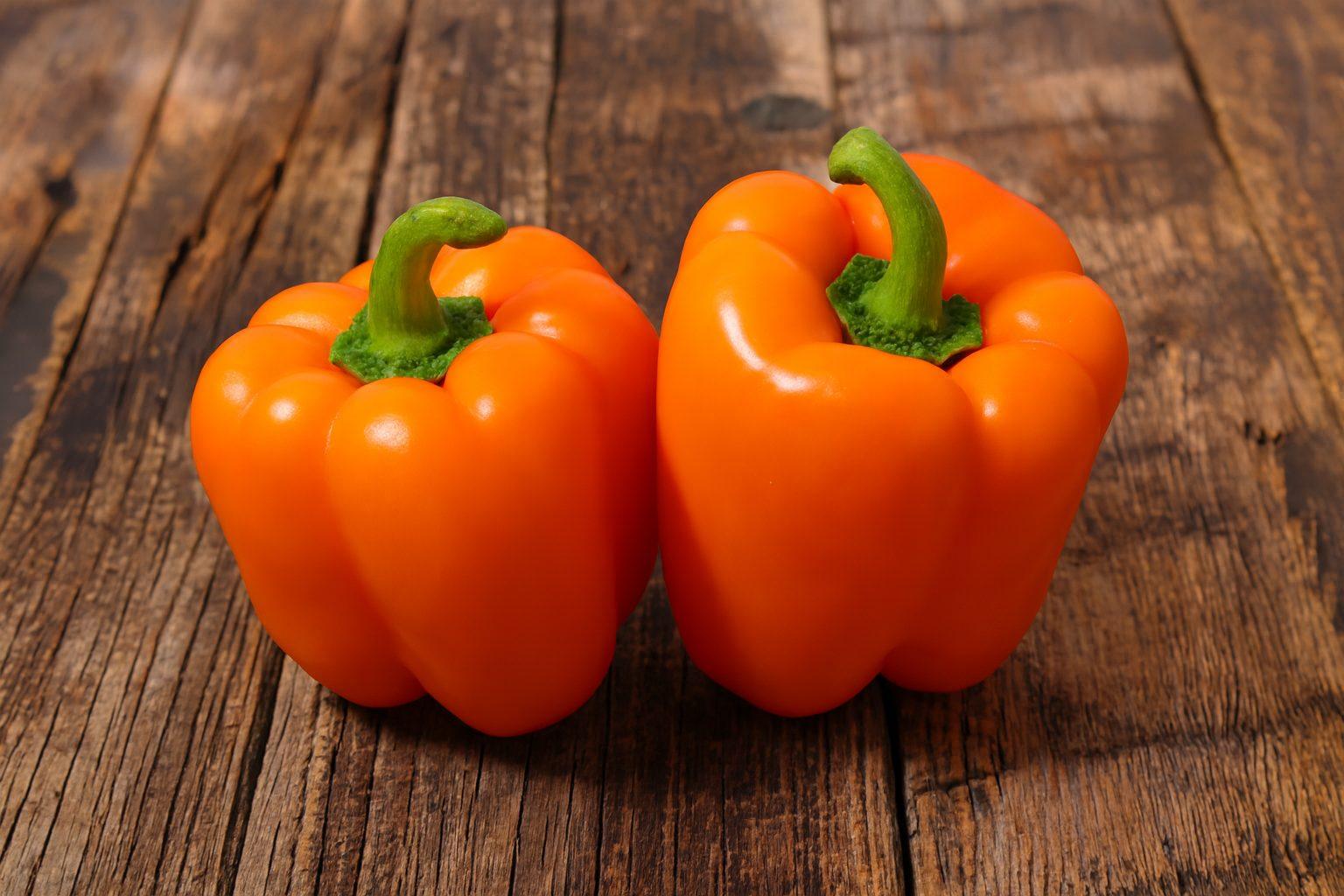
Description
Product Name: Orange Bell Pepper Seeds
Cultivar Name: Orange Bell Pepper
Species: Capsicum annuum
Common Names: Orange Bell, Sweet Orange Pepper
Type: Heirloom
Origin & Lineage
Geographic Origin: Orange bell peppers (Capsicum annuum var. grossum) are cultivated globally, but their genetic roots trace back to Central and South America, particularly Mexico, Guatemala, and Peru, where wild Capsicum species were first domesticated over 6,000 years ago. These early peppers were small and pungent, but through centuries of selection, indigenous farmers developed sweeter, larger-fruited types—eventually giving rise to the bell pepper.
The orange variant, however, is a modern refinement, developed primarily in Europe, especially the Netherlands, where greenhouse breeding programs focused on color uniformity, sweetness, and nutritional density. Dutch horticulturists pioneered the development of orange bell peppers by crossing yellow and red lines, selecting for low chlorophyll expression and high carotenoid content, particularly beta-carotene, which gives the fruit its vibrant hue.
Today, orange bell peppers are grown extensively in:
- Mediterranean regions (Spain, Italy, Greece) for fresh market and export
- North America, especially in California and Florida
- Asia, including China and South Korea, where they’re used in fusion cuisine and health-focused dishes
Their global cultivation reflects both their culinary versatility and their agronomic adaptability, thriving in warm climates with well-drained soil and consistent moisture.
Cultural Significance: Orange bell peppers are celebrated as a symbol of warmth, vitality, and abundance. Their sweet, crisp flavor and eye-catching color make them a favorite in:
- Health-conscious cooking, where their high vitamin C and beta-carotene content support immune function and skin health
- Gourmet plating, offering vibrant contrast in salads, stir-fries, and roasted vegetable medleys
- Stuffed dishes, where their thick walls and mild flavor complement grains, cheeses, and proteins
- Pickled blends, adding sweetness and color without overpowering heat
In color psychology and culinary symbolism, orange represents enthusiasm, creativity, and joy—qualities that align with the pepper’s role in festive meals and seasonal menus. In some cultures, orange peppers are associated with prosperity and good luck, especially in Mediterranean and East Asian traditions.
Their non-pungent nature makes them accessible to all ages and spice tolerances, reinforcing their role as a gateway pepper in global cuisine. Whether raw, grilled, or sautéed, orange bell peppers bring brightness and balance to the plate.
Lineage / Hybridizer History: Orange bell peppers are descended from standard bell pepper lines within Capsicum annuum, selectively bred for:
- Orange pigmentation, driven by high levels of beta-carotene
- Enhanced sweetness, with low acidity and no capsaicin (0 SHU)
- Thick, juicy walls, ideal for stuffing and roasting
- Uniform shape and size, especially in commercial greenhouse strains
Most orange bell peppers are hybrids, created by crossing yellow and red cultivars to achieve the desired color and flavor profile. These hybrids are bred for:
- Disease resistance
- Shelf stability
- High yield in controlled environments
However, open-pollinated heirloom strains also exist, often favored by home gardeners and seed savers for their genetic diversity and flavor complexity. These include varieties like:
- Orange King
- Orange Sun
- California Wonder Orange
Breeding programs in the Netherlands, the U.S., and South Korea have contributed to the refinement of orange bell peppers, using genomic selection and plastome analysis to enhance traits like nutrient density, ripening consistency, and environmental resilience
Heat Profile
Scoville Rating (SHU): 0 SHU
Perceived Heat: None
Heat Characteristics: Zero capsaicin. This is a sweet pepper—ideal for all palates, including children and sensitive eaters.
Flavor Profile
Tasting Notes: Bright, fruity, and mildly sweet with a crisp, juicy crunch. Less sweet than red bell, more mellow than yellow.
Aftertaste / Finish: Clean and refreshing with subtle vegetal undertones.
Ideal Pairings:
- Raw in salads and slaws
- Roasted for soups and sauces
- Stuffed with grains or cheese
- Sautéed in stir-fries
- Blended into smoothies or gazpacho
Fruit Characteristics
Shape: Blocky bell shape with 3–4 lobes
Size: 8–10 cm long, 6–8 cm wide
Color Stages:
- Immature: Green
- Ripening: Green-orange gradient
- Ripe: Bright orange
Wall Thickness: Thick and meaty
Texture & Skin: Smooth, glossy, waxy skin; crisp and succulent flesh
Plant Details
Growth Habit: Upright and bushy
Plant Height & Width:
Height: 60–90 cm
Width: 50–70 cm
Foliage: Dark green leaves with broad canopy
Flower Color: White
Days to Maturity: 75–90 days from transplant
Yield: High – 6–10 large fruits per plant under optimal conditions
Cultivation Information
Seed Count per Pack: 5 or 10 seeds
Germination Time: 7–14 days (Germinating Chilli Seeds)
Optimal Germination Temp: 22–28°C (Essential guide to ideal temperatures and humidity for chilli seed germination)
Light Requirements: Filtered sun
Soil Preferences:
- pH: 6.2–6.8
- Rich, well-draining soil (Easy DIY soil mixes)
- Benefits from calcium and potassium supplementation
Storage Tips: Store seeds in a cool, dry place. Refrigeration at 4–8°C extends viability. Avoid moisture and direct light.
Notable Compounds
Capsaicinoid Content: None – non-pungent cultivar
Volatile Flavor Compounds: High in pyrazines and aldehydes for fruity aroma
Pigments: Beta-carotene, alpha-carotene, and cryptoxanthin drive orange color
Culinary & Cultural Use
Traditional Uses: Raw, roasted, grilled, or stuffed. Popular in Mediterranean, Mexican, and fusion cuisines.
Raw vs Cooked Flavor:
Raw: crisp and refreshing
Cooked: sweeter, softer, and more aromatic
Regional Dishes:
- Ratatouille
- Fajitas
- Stuffed peppers
- Roasted pepper soup
- Bell pepper hummus
Storage / Drying / Preserving Tips:
- Refrigerate fresh peppers for up to 10 days
- Can be frozen after roasting or slicing
- Excellent for drying and powdering for sweet paprika blends


Reviews
There are no reviews yet.