
Description
Product Name: MOA Scotch Bonnet Red Chilli Seeds
Cultivar Name: MOA Scotch Bonnet Red
Species: Capsicum chinense
Common Names: MOA Red, Jamaican Red Bonnet
Type: Landrace Heirloom
Origin & Lineage
Geographic Origin: The MOA Scotch Bonnet Red (Capsicum chinense) hails from Jamaica, where it has been officially recognized by the Jamaican Ministry of Agriculture (MOA) as a true Scotch Bonnet cultivar. This designation isn’t just symbolic—it reflects a rigorous certification process that ensures the pepper meets strict standards for shape, size, color, and flavor, especially for export-grade production.
Jamaica’s tropical climate and volcanic soil provide ideal growing conditions for Scotch Bonnets, and the MOA Red variant is cultivated across the island, particularly in St. Elizabeth, Manchester, and Clarendon, regions known for their pepper production. The MOA label guarantees that the cultivar is genetically stable, open-pollinated, and true to type, preserving the integrity of Jamaica’s agricultural heritage.
While Scotch Bonnets are grown throughout the Caribbean, the MOA Scotch Bonnet Red is uniquely Jamaican, developed and propagated under government oversight to serve both domestic culinary traditions and international export markets.
Cultural Significance: The MOA Scotch Bonnet Red is more than a pepper—it’s a culinary icon and a cultural ambassador of Jamaican cuisine. Its fruity aroma, signature sweetness, and intense heat (ranging from 150,000 to 325,000 SHU) make it indispensable in:
- Jerk marinades—where its heat and flavor balance the smoky, spiced profile
- Pepper sauces—especially those exported under Jamaican labels
- Rice and peas, curried goat, and ackee and saltfish—where it adds depth and fire
- Street food and home cooking—from patties to stews
The MOA designation ensures that chefs, exporters, and consumers are getting the real deal, not a lookalike habanero or hybrid. Its distinct bonnet shape, often described as a “cap and saucer,” is a visual cue of authenticity.
In Jamaica, Scotch Bonnet farming is also a source of livelihood, with export-grade peppers contributing significantly to foreign exchange earnings. The MOA Scotch Bonnet Red thus represents both culinary pride and economic resilience.
Lineage / Hybridizer History: The MOA Scotch Bonnet Red is a stabilized landrace, not a commercial hybrid. The “MOA” designation refers to the Ministry of Agriculture, which developed and certified the cultivar for export viability, disease resistance, and genetic consistency.
While the yellow variant is considered the original MOA Scotch Bonnet, the red version is either a natural mutation or the result of an accidental cross—a point still debated among growers. Regardless, the red retains the classic Scotch Bonnet traits:
- Bonnet-shaped pods with 3–4 lobes
- Thick walls and meaty texture
- Sweet, fruity flavor with notes of apple and apricot
- High heat, but smoother than habaneros
The cultivar is propagated through open pollination, and seeds are selected based on uniformity, flavor, and shape. Plants typically grow 3 to 4 feet tall, producing high yields of vibrant red pods that ripen from glossy green.
MOA Scotch Bonnets are graded into three tiers (Premium, Commercial, Acceptable), with strict criteria for export—ensuring that only the best peppers represent Jamaica on the global stage.
Heat Profile
Scoville Rating (SHU): 150,000–325,000 SHU
Perceived Heat: Very hot – intense upfront burn with a fruity undertone
Heat Characteristics: Immediate sting followed by a warm, lingering burn. Ideal for sauces, marinades, and fermented blends.
Flavor Profile
Tasting Notes: Tropical fruit explosion—notes of mango, papaya, and citrus with a floral sweetness
Aftertaste / Finish: Clean, slightly smoky finish with residual warmth
Ideal Pairings:
- Jamaican jerk chicken or pork
- Caribbean pepper sauces
- Fermented hot sauces
- Tropical salsas with pineapple or mango
- Pickled for bold antipasti
Fruit Characteristics
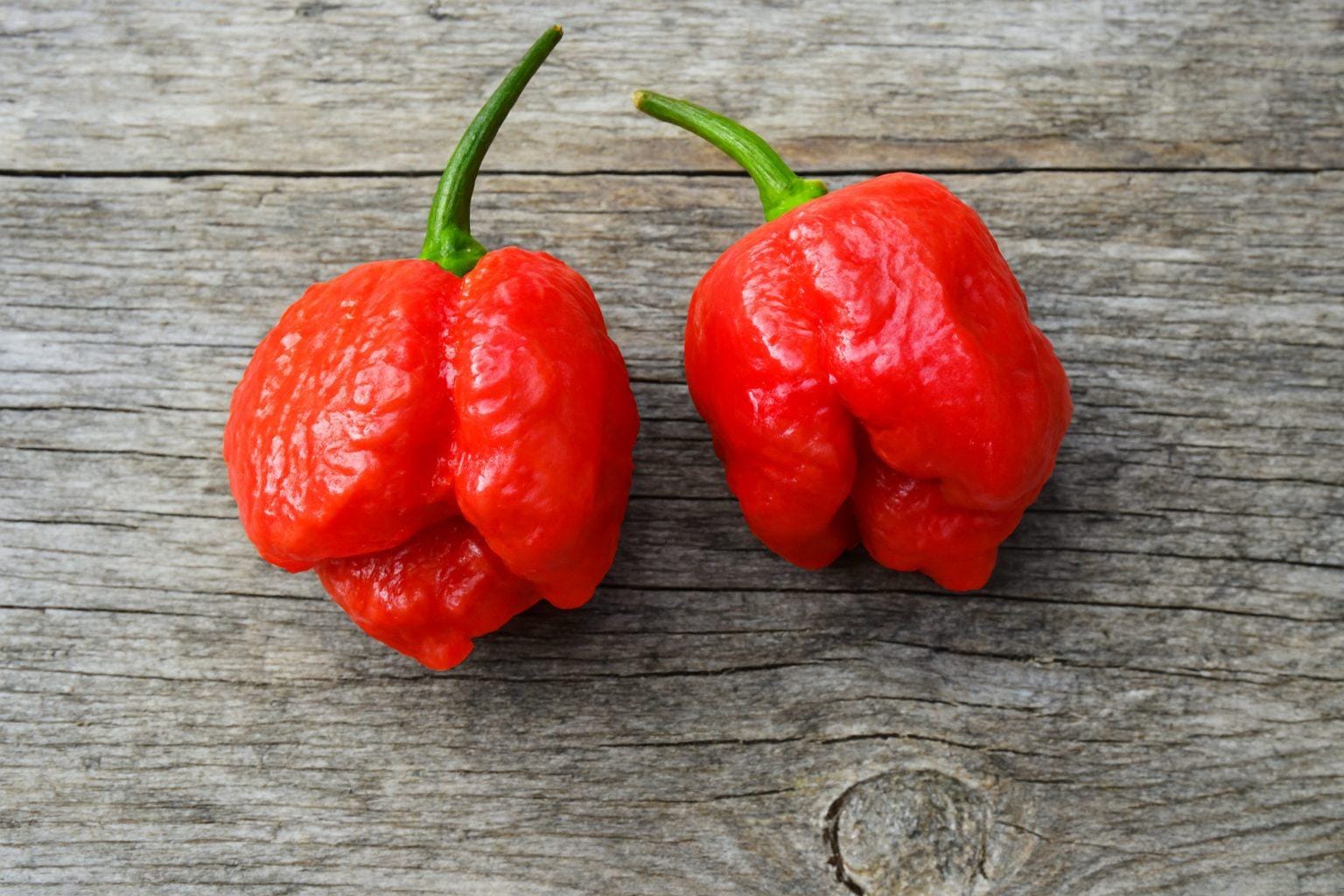
Shape: Classic “bonnet” shape with 3–4 lobes and a cap-and-saucer form
Size: 4.5–6 cm diameter (Grade 1 standard)
Color Stages:
- Immature: Pale green
- Ripe: Rich red
- Overripe: Deep crimson
Wall Thickness: Medium
Texture & Skin: Glossy, slightly wrinkled skin with firm flesh
Plant Details
Growth Habit: Bushy and upright
Plant Height & Width:
Height: 90–120 cm
Width: 60–80 cm
Foliage: Dark green, broad leaves
Flower Color: White
Days to Maturity: 90–110 days from transplant
Yield: High – prolific fruiting with 20–30 pods per plant under optimal conditions
Cultivation Information
Seed Count per Pack: 5 or 10 seeds
Germination Time: 7–14 days (Germinating Chilli Seeds)
Optimal Germination Temp: 26–32°C (Essential guide to ideal temperatures and humidity for chilli seed germination)
Light Requirements: Filtered sun
Soil Preferences:
- pH: 6.2–6.8
- Rich, well-draining soil (Easy DIY soil mixes)
- Benefits from calcium and potassium-rich feeding
Storage Tips: Store seeds in a cool, dry place. Refrigeration at 4–8°C extends viability. Avoid moisture and direct light.
Notable Compounds
Capsaicinoid Content: High – primarily capsaicin and dihydrocapsaicin
Volatile Flavor Compounds: Esters and aldehydes contributing to fruity aroma
Pigments: Red coloration driven by capsanthin and capsorubin
Culinary & Cultural Use
Traditional Uses: Essential in Jamaican jerk seasoning, pepper sauces, and Caribbean stews
Raw vs Cooked Flavor: Raw pods deliver sharp heat and fruitiness; cooking mellows the burn and deepens sweetness
Regional Dishes:
- Jamaican jerk chicken
- Pepper shrimp
- Caribbean escovitch fish
- Tropical chutneys and relishes
Storage / Drying / Preserving Tips:
- Excellent for fermentation and pickling
- Drying intensifies heat but may reduce fruitiness
- Powdered form ideal for spice blends and rubs

Reviews
There are no reviews yet.