
Description
Product Name: Mini Rocoto Yellow
Mini Rocoto Yellow is a compact, cold-tolerant chili cultivar belonging to the Capsicum pubescens species, renowned for its thick-walled fruit, black seeds, and ability to thrive in cooler climates. This heirloom variety, originating from the Andean highlands, offers a unique combination of moderate heat, rich flavor, and ornamental appeal. Its globe-shaped yellow pods and pubescent foliage distinguish it from other chili types, making it a favorite among collectors, culinary enthusiasts, and growers seeking diversity in their gardens.
- Cultivar Name: Mini Rocoto Yellow
- Species: Capsicum pubescens
- Common Names: Locato (regional variant), Mini Rocoto
- Type: Heirloom
Origin & Lineage
Geographic Origin:
The Mini Rocoto Yellow traces its roots to the Andean regions of South America, particularly Bolivia and Peru. It is adapted to high-altitude environments and cooler temperatures, unlike most chili species. This cultivar has been cultivated for centuries in mountainous zones where other Capsicum species struggle to produce fruit. Its resilience and productivity in temperate climates have contributed to its spread across South America and into global seed networks.
Cultural Significance:
In Bolivia and Peru, rocoto peppers are deeply embedded in culinary traditions. They are used in iconic dishes such as “Rocoto Relleno,” a stuffed pepper preparation that showcases the fruit’s thick walls and bold flavor. The Mini Rocoto Yellow, while smaller than traditional rocotos, retains the same culinary versatility and is often pickled, stuffed, or sliced into fresh salsas. Folkloric use includes digestive tonics and protective charms, with the black seeds symbolizing fertility and strength in some indigenous beliefs.
Lineage / Hybridizer History:
As an heirloom, Mini Rocoto Yellow has not undergone formal hybridization. It is a naturally stabilized landrace selected over generations by Andean farmers for its compact growth, early fruiting, and vibrant yellow coloration. While some seed vendors refer to it as “Locato,” this is likely a regional naming variation rather than a distinct genetic line. The cultivar has been preserved through open pollination and seed saving, with no known commercial breeder credited for its development.
Heat Profile
Scoville Rating (SHU):
500–4,500 SHU
Perceived Heat:
Medium (1,000 to 15,000 SHU)
Heat Characteristics:
The heat of Mini Rocoto Yellow is described as sharp but pleasant, with a quick onset and moderate persistence. It is not overwhelming, making it suitable for fresh consumption and culinary experimentation. The burn is concentrated around the tongue and lips, with a mild afterglow that fades within minutes. Unlike superhot varieties, this cultivar allows its flavor to remain prominent even when used in larger quantities.
Flavor Profile
Tasting Notes:
Fresh Mini Rocoto Yellow pods deliver a juicy, aromatic flavor with hints of plum and citrus. The thick walls contribute to a satisfying crunch, while the flesh carries a subtle sweetness that balances the heat. When dried, the flavor intensifies, revealing earthy and slightly smoky undertones.
Aftertaste / Finish:
The finish is clean and slightly fruity, with no bitterness. A mild tang may be present when the pepper is pickled or fermented, enhancing its complexity.
Ideal Pairings:
- Fresh salsas and garden salads
- Cheese-stuffed appetizers
- Pickled vegetable platters
- Roasted poultry and fish
- Grain-based stuffing blends
Fruit Characteristics
Shape:
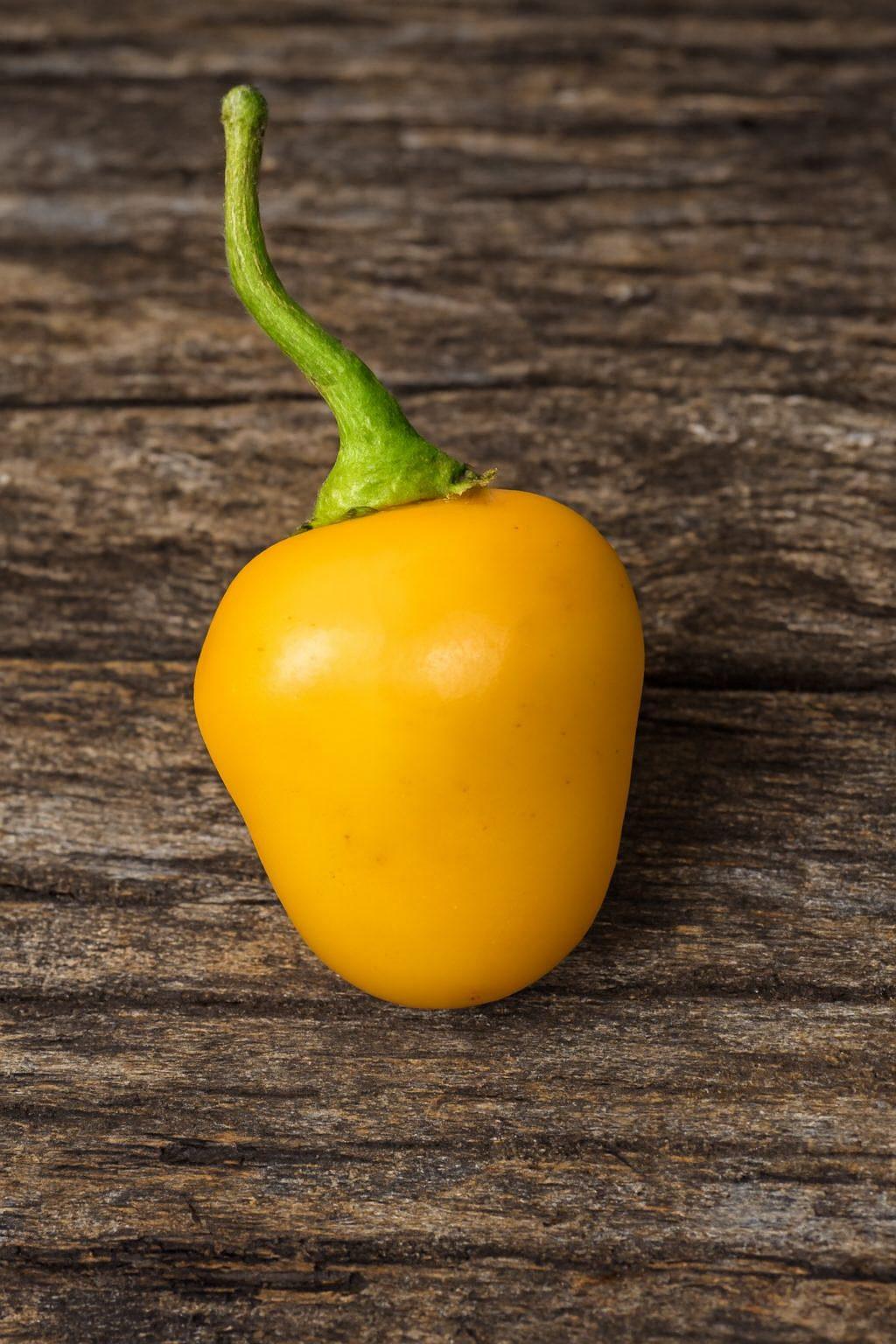
Globular, resembling small tomatoes with slight lobing
Size:
Approximately 3–4 cm in diameter
Color Stages:
Immature: green → Ripe: bright yellow
Wall Thickness:
Thick
Texture & Skin:
Smooth and glossy, with firm flesh and visible black seeds embedded throughout.
Plant Details
Growth Habit:
Bushy
Plant Height & Width:
Height: 90–120 cm
Width: 60–90 cm
Foliage:
Pubescent, dark green with soft hairs that aid in cold resistance
Flower Color:
Purple with blue undertones, typical of Capsicum pubescens
Days to Maturity:
90–100 days from transplant
Yield:
Moderate – estimated 40–70 pods per plant under optimal conditions.
Cultivation Information
Seed Count per Pack:
5 or 10 seeds (Presoaking Chilli Seeds)
Germination Time:
7–14 days (Germinating Chilli Seeds)
Optimal Germination Temp:
25–30°C (Essential guide to ideal temperatures and humidity for chilli seed germination)
Light Requirements:
Filtered sun
Soil Preferences:
- pH: 6.0–6.8
- Well-drained loamy soil
- Rich in organic matter (Easy DIY soil mixes)
Storage Tips:
Store Mini Rocoto Yellow seeds in airtight containers in a cool, dry place. Avoid exposure to light and moisture. Silica gel packets may be used to extend viability. Refrigeration is not recommended unless seeds are vacuum-sealed.
Notable Compounds
Capsaicinoid Content:
Contains moderate levels of capsaicin and dihydrocapsaicin, contributing to its medium heat profile. These compounds are concentrated in the placenta and inner walls of the pod.
Volatile Flavor Compounds:
Limonene and aldehydes have been detected in dried and fermented preparations, contributing to citrus and floral notes.
Anthocyanins / Pigments:
No purple pigmentation is expressed in the fruit. However, the flowers exhibit anthocyanin-rich coloration, typical of Capsicum pubescens.
Culinary & Cultural Use
Traditional Uses:
Mini Rocoto Yellow is used in traditional Andean cuisine for stuffed pepper dishes, fresh salsas, and pickled condiments. Its thick walls make it ideal for stuffing with cheese, grains, or meats. In Bolivia, rocoto peppers are often fermented or dried for use in winter stews and sauces.
Raw vs Cooked Flavor:
Raw: crisp, juicy, and slightly sweet with moderate heat
Cooked: flavor deepens, sugars caramelize, and heat becomes more integrated
Regional Dishes:
- Rocoto Relleno (Peru)
- Locato Pickle (Bolivia)
- Ají de Rocoto (Andean pepper sauce)
- South American-style chili chutneys
Storage / Drying / Preserving Tips:
- Air-dry pods in shaded, ventilated areas to preserve color and flavor
- Use dehydrators at low temperatures to retain volatile compounds
- Ferment in 2–3% salt brine for 3–5 weeks for complex flavor development
- Pickle in vinegar with garlic and herbs for long-term preservation
- Store dried pods in vacuum-sealed bags or glass jars with desiccants



Reviews
There are no reviews yet.