
Description
Mini Orange Rocoto
Product Name: Mini Orange Rocoto
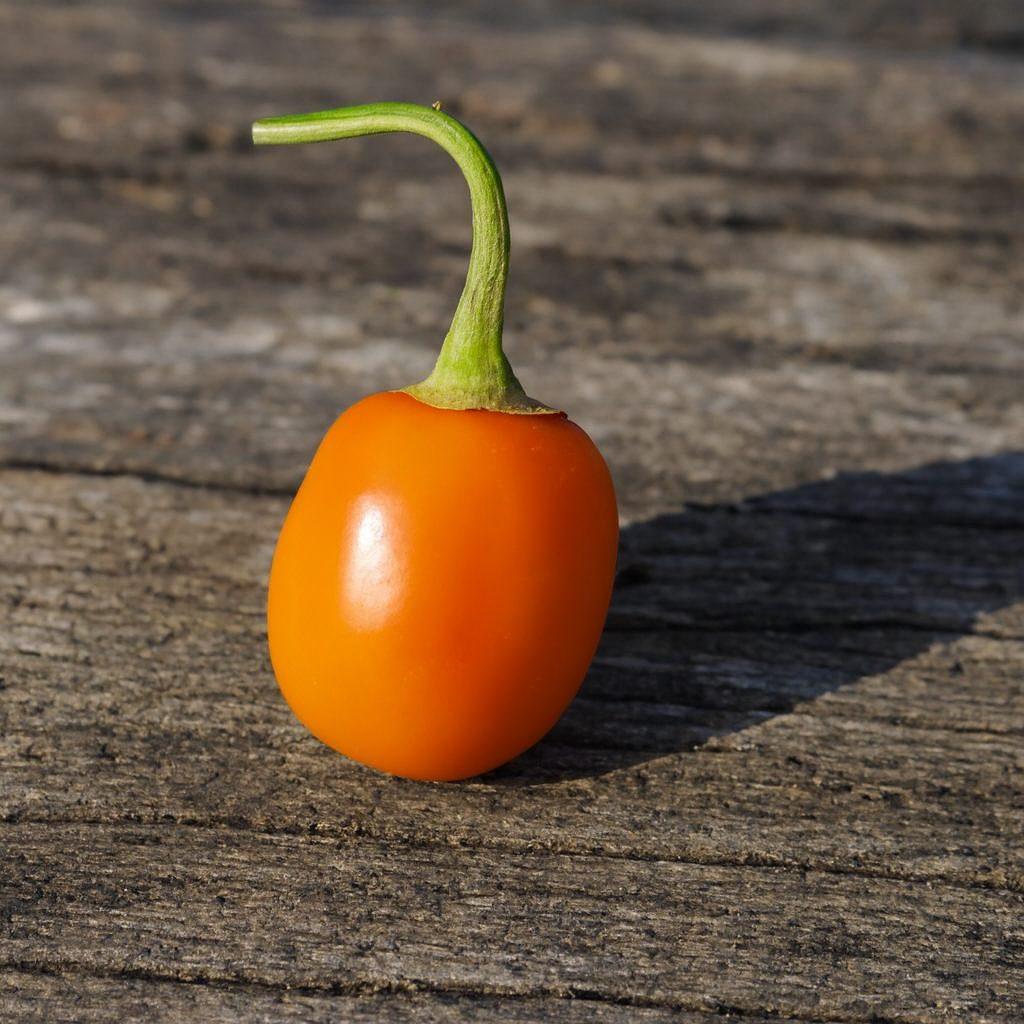
Mini Orange Rocoto is a compact, high-yielding cultivar of Capsicum pubescens, celebrated for its vibrant orange pods, thick walls, and distinctive flavor profile. Unlike most chilli species, Rocotos are known for their pubescent foliage, black seeds, and cold tolerance, making them uniquely suited to high-altitude and temperate climates. The miniaturized form of this cultivar retains all the hallmarks of traditional Rocoto peppers—fruity heat, juicy flesh, and robust growth—while offering a smaller footprint ideal for container gardening and ornamental use. Mini Orange Rocoto is increasingly sought after by growers and chefs for its versatility, resilience, and bold culinary potential.
Cultivar Name: Mini Orange Rocoto
Species: Capsicum pubescens
Common Names: Orange Rocoto, Rocoto Naranja, Manzano Orange (regional overlap)
Type: Heirloom
Origin & Lineage
Geographic Origin:
The Rocoto lineage originates from the Andean highlands of Peru, Bolivia, and Ecuador, where Capsicum pubescens has been cultivated for over 5,000 years. Mini Orange Rocoto is believed to be a regional selection or stabilized mutation of standard Rocoto types, possibly originating from Bolivian or Peruvian landrace populations. Its compact size and orange pigmentation suggest intentional selection for ornamental and culinary use in urban or high-altitude gardens.
Cultural Significance:
Rocoto peppers hold deep cultural significance in Andean cuisine and folklore. Traditionally used in dishes such as rocoto relleno (stuffed Rocoto), ají de gallina, and chupe de camarones, they are considered a staple in Peruvian gastronomy. In indigenous rituals, Rocotos were believed to ward off illness and evil spirits, and their cultivation was often associated with fertility and protection. The Mini Orange variant, while not tied to ancient rituals, continues this legacy by offering a modern, accessible form of a culturally revered pepper.
Lineage / Hybridizer History:
Mini Orange Rocoto is an open-pollinated heirloom cultivar, not the product of recent hybridization. It likely emerged through regional selection and propagation by smallholder farmers or seed savers focused on compact growth and ornamental appeal. While no single breeder is credited, the cultivar has been distributed through South American seed exchanges and later catalogued by international vendors specializing in rare Capsicum pubescens varieties. Its stability across generations suggests careful stewardship and preservation of genetic traits.
Heat Profile
Scoville Rating (SHU): 30,000–50,000 SHU
Perceived Heat: Hot (15,000 to 50,000 SHU)
Heat Characteristics:
Mini Orange Rocoto delivers a bold, fruity heat that builds gradually and lingers. The burn is concentrated in the placenta and inner walls, with a juicy texture that amplifies the sensation. Unlike chinense superhots, Rocoto heat is more rounded and less aggressive, making it suitable for fresh applications and cooked dishes alike. The thick walls retain moisture, which can moderate the burn when roasted or grilled.
Flavor Profile
Tasting Notes:
Bright and fruity with notes of apple, citrus, and stone fruit. The flavor is crisp and slightly sweet, with a vegetal undertone that complements its heat. Compared to red Rocoto types, the orange variant is often described as milder and more aromatic.
Aftertaste / Finish:
The finish is clean and slightly tangy, with lingering fruit notes and a gentle warmth. When cooked, the flavor deepens into a caramelized, smoky profile with hints of apricot and roasted pepper.
Ideal Pairings:
- Stuffed Rocoto dishes with cheese and meat
- Fresh salsas and ají sauces
- Grilled vegetables and seafood
- Pickled relishes and escabeche
- Cream-based sauces and dips
Fruit Characteristics
Shape: Round to oval, slightly flattened
Size: 3–4 cm long, 2–3 cm diameter
Color Stages:
- Immature: green
- Ripe: bright orange
Wall Thickness: Thick
Texture & Skin: Smooth and glossy; firm and juicy
Plant Details
Growth Habit: Compact
Plant Height & Width: 60–90 cm tall, 50–70 cm wide
Foliage: Dark green, pubescent (hairy), ovate leaves
Flower Color: Purple with white highlights
Days to Maturity: 120–160 days from germination
Yield: Moderate to high – typically 80–150 pods per plant under optimal conditions
Cultivation Information
Seed Count per Pack: 5 or 10 seeds (Presoaking Chilli Seeds)
Germination Time: 10–21 days (Germinating Chilli Seeds)
Optimal Germination Temp: 25–30°C (Essential guide to ideal temperatures and humidity for chilli seed germination)
Light Requirements: Filtered sun
Soil Preferences:
- pH: 6.0–6.8
- Well-drained loamy soil with high organic content
- Mulched surface to retain moisture (Easy DIY soil mixes)
Storage Tips:
Store seeds in airtight containers in a cool, dry place. For long-term viability, refrigeration at 4–8°C is recommended. Avoid exposure to humidity and direct sunlight.
Notable Compounds
Capsaicinoid Content:
- Capsaicin
- Dihydrocapsaicin
These compounds contribute to the pepper’s pungency and are present in moderate concentrations, making the heat assertive but manageable.
Volatile Flavor Compounds:
- Limonene (citrus aroma)
- Geraniol (floral notes)
- Hexanal (green, grassy undertone)
Anthocyanins / Pigments:
While the orange pods do not exhibit purple pigmentation, the flowers and stems contain anthocyanins, particularly delphinidin derivatives. These pigments are expressed in cooler climates and contribute to the plant’s ornamental appeal.
Culinary & Cultural Use
Traditional Uses:
Mini Orange Rocoto is used in modern adaptations of traditional Peruvian dishes. Its thick walls and juicy texture make it ideal for stuffing, roasting, and pickling. It is also incorporated into ají sauces, ceviche garnishes, and fermented chilli pastes.
Raw vs Cooked Flavor:
Raw pods offer a crisp, fruity bite with moderate heat. Cooking enhances sweetness and reduces acidity, especially when roasted or grilled. Pickling preserves the color and adds tang, making it suitable for visual and flavor contrast.
Regional Dishes:
- Rocoto relleno – stuffed Rocoto with cheese and ground meat
- Ají de gallina – creamy chicken stew with Rocoto garnish
- Escabeche de pescado – pickled fish with Rocoto slices
- Salsa de ají naranja – orange Rocoto hot sauce
- Chupe de camarones – shrimp chowder with Rocoto infusion
Storage / Drying / Preserving Tips:
- Air-dry pods in a shaded, ventilated area
- Use dehydrators at 45–50°C for consistent drying
- Store dried pods in glass jars with desiccant packs
- Pickle in vinegar brine with garlic and herbs
- Freeze whole pods for up to 6 months



Reviews
There are no reviews yet.